
Last updated November 25, 2026
 Sweep & inspection
 Caps & crowns
 Flue relining
 Masonry repair
 Gas fireplace service
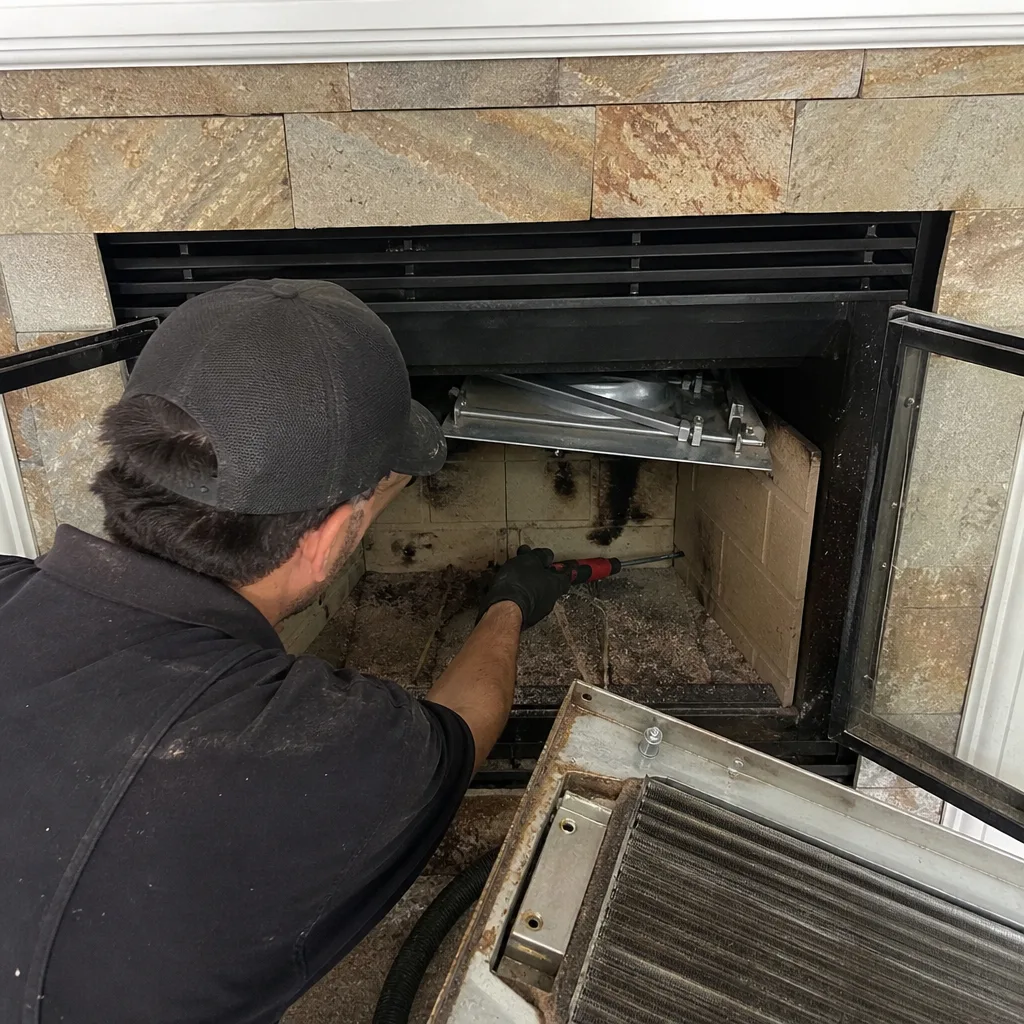
Level 1 sweep and inspection to the NFPA 211 annual standard - flue, crown, cap, and flashing checked and photographed
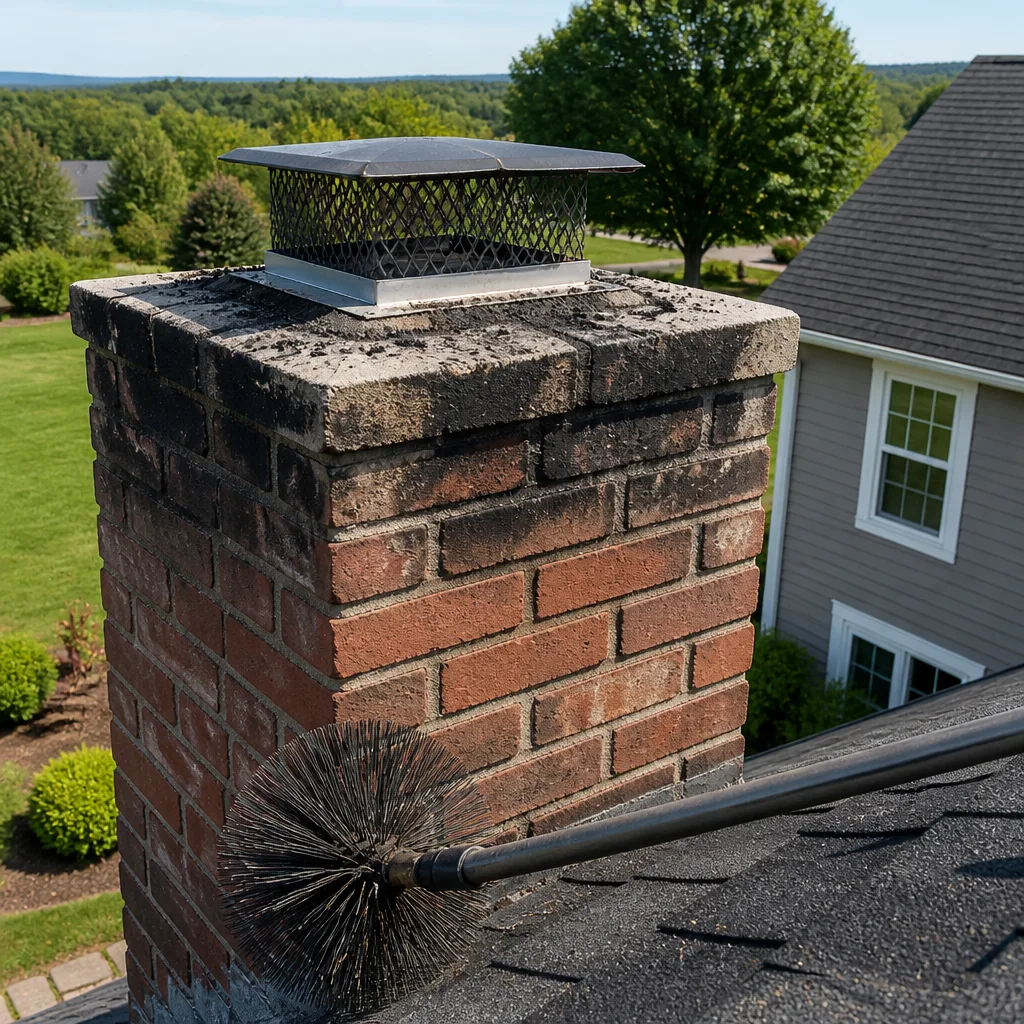
Chimney sweep logs do not sweep chimneys. They loosen some creosote - which then falls where a brush and vacuum still have to collect it.
Seasonal Chimney Cleaning Care for Redmond: Year-Round Homeowner’s Guide
The busiest repair season for chimney technicians around here is October, and it has almost nothing to do with October weather. Chimneys don’t fail because the calendar flips to fall. They fail because the water damage, cracked crown, and corroded damper that started in spring sat untouched through a dry summer, then met the first real cold snap and a hot fire. By then a small repair has become an emergency, and every homeowner in Redmond with a fireplace is calling at once. This guide walks the whole Redmond year – spring inspection, summer repair, fall sweep, winter watch – so you’re the homeowner who acted early instead of the one waiting in line.
Quick Answer
Chimney care in Redmond should follow the seasons, not a single fall sweep. Inspect and address water damage in spring, do liner, crown, and flashing work in summer when scheduling is open, sweep before your first fire in fall, and watch for glazed creosote and draft problems through winter. A sweep is booked around your burning season, and the smartest money is spent in summer, before the fall rush.
Styles & brands we work with
- Sweep & inspection
- Caps & crowns
- Flue relining
- Masonry repair
- Gas fireplace service
Table of Contents
- Why a Four-Season Calendar Beats “Sweep Before Winter”
- Spring: What to Look For After the Heating Season Ends
- Summer: The Window for Liner Work, Crown Sealing, and Flashing
- Fall: Sweep Timing and Testing a Cold Flue Before the First Fire
- Winter: Mid-Season Signs Your Chimney Needs Attention
- How La Niña and El Niño Years Shift Your Sweep Schedule
- Common Mistakes to Avoid
- When to Call a Professional
Why a Four-Season Calendar Beats “Sweep Before Winter”
Almost every chimney guide tells you the same thing: sweep in the fall before you start burning. That advice isn’t wrong, but it’s incomplete, and it leaves out the season when the actual damage happens. Around Redmond, the problems that turn into expensive fall repairs are born in spring and given months to worsen in summer. A hairline crack in the crown is a cosmetic issue in April. Let water into the masonry through a wet spring and a dry, hot summer of freeze-free expansion and contraction, and by October that crack is a saturated chimney structure.
The four-season view treats your chimney as a system that reacts to weather all year, not just the months you happen to have fires in. That matters in Redmond, where the fireplace is often idle from late spring through early fall, then runs hard through the wet, cold stretch. The chimney is doing nothing for months, then everything. Damage accumulates in the quiet stretch and reveals itself in the busy one.
Here’s the seasonal rhythm we walk Redmond homeowners through:
- Spring – inspect after the last fire and catch water damage, spalling, and corrosion early.
- Summer – do the real repair work: liner restoration, crown sealing, flashing repair, cap replacement.
- Fall – sweep and test the flue before your first fire.
- Winter – watch for glazed creosote and draft problems, and know the signs that mid-season attention is needed.
It’s the same reasoning a roofer uses: you fix the roof in dry weather, not during the storm. Seasonal chimney cleaning in Redmond is really about timing repairs to the season that makes them easiest and least expensive, then using the sweep itself as your yearly safety check.
Spring: What to Look For After the Heating Season Ends
Spring is when the chimney shows you what winter did to it. The heating season has just ended, so creosote and soot deposits are fresh and tell you how your fires burned. More importantly, months of wet weather followed by the first warm, dry days expose the water damage that quietly started while you were burning. This is the season to look, before summer heat bakes a small problem into a structural one.
In Redmond, spring tends to arrive wet and cool before it dries out, which is exactly the pattern that stresses masonry. Water gets in, then the temperature swings back and forth, and the freeze-thaw cycling loosens the outer skin of brick and mortar. Three things tend to show up first:
- Spalling – the face of a brick flakes, peels, or pops off. It looks like a small chip at first, but it means water has been getting into the brick and pushing outward. Spalling brick on a chimney usually points to a failed crown or unsealed masonry above it.
- Efflorescence – that white, chalky, powdery staining on the brick or in the firebox. It’s the visible signature of moisture moving through the masonry and leaving mineral deposits behind as it dries. It’s not dangerous on its own, but it’s a reliable early warning that water is finding a path in.
- Damper corrosion – a damper that’s stiff, rusty, or hard to open after a damp spring. Condensation forms on the metal through the wet months, and a damper left closed holds that moisture against the plate. A damper that won’t seal properly means you lose heat up the flue all winter and can’t shut the chimney down when the fire is out.
Spring is also the right time to check the firebox for cracked mortar joints, look at the cap for a bent or missing screen, and confirm the crown hasn’t cracked over the wet season. If you have a fireplace with a masonry firebox, spring inspection is your chance to catch loose joints before fall. For anything beyond a visual check, this is where an inspection earns its keep – and if you find firebox damage, that’s the point to look at fireplace repair before it spreads into the surround.
One thing spring is not for: big repair work. If the inspection turns up a failed crown or a liner that needs attention, book the repair for summer rather than rushing it. Nothing needs to happen in the rainy weeks if the chimney is idle.
Summer: The Window for Liner Work, Crown Sealing, and Flashing
Summer is the single best window in Redmond to do chimney repair, and it isn’t close. The chimney is idle, the weather is dry, and the fall rush hasn’t started. Liner installation, crown work, flashing repair, and cap replacement all go faster and cleaner in dry, warm conditions. The liner materials cure properly, masonry sealants set right, and you’re not competing for a spot on a schedule that fills up every October.
This is the season for the repairs that head off the fall emergency. Three categories matter most:
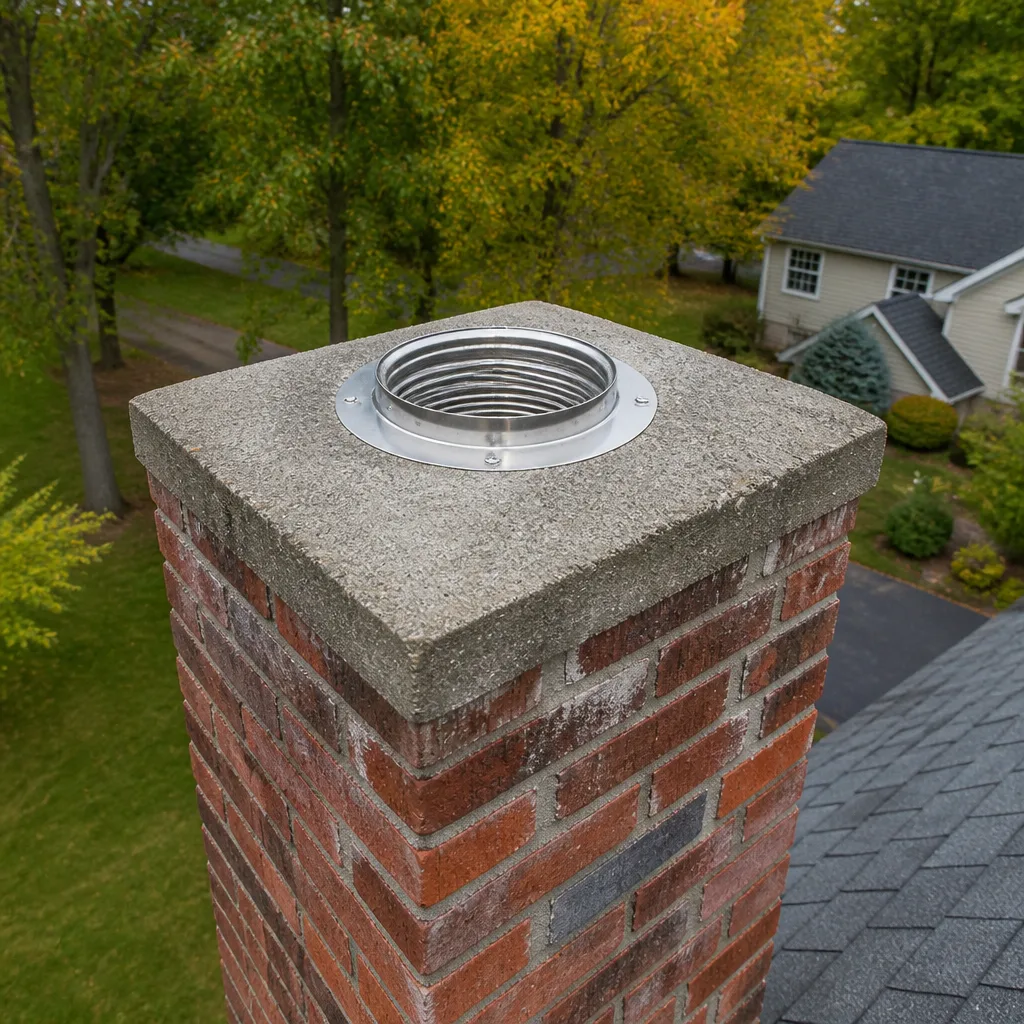
- Liner restoration and relining. A cracked or deteriorated liner is the most common reason a chimney gets condemned at a fall inspection. A clay tile liner that has cracked allows heat and gases into the surrounding structure, and it can’t simply be patched from the outside. Summer is when a stainless liner – the kind of professional-grade system we install from lines like DuraFlex and Olympia Chimney – or a resurfacing system like HeatShield gets applied, and both need dry conditions and time to cure. HeatShield in particular is a resurfacing application that restores a damaged flue from the inside; that’s a repair tier most sweep-only companies can’t offer, and it’s a summer job.
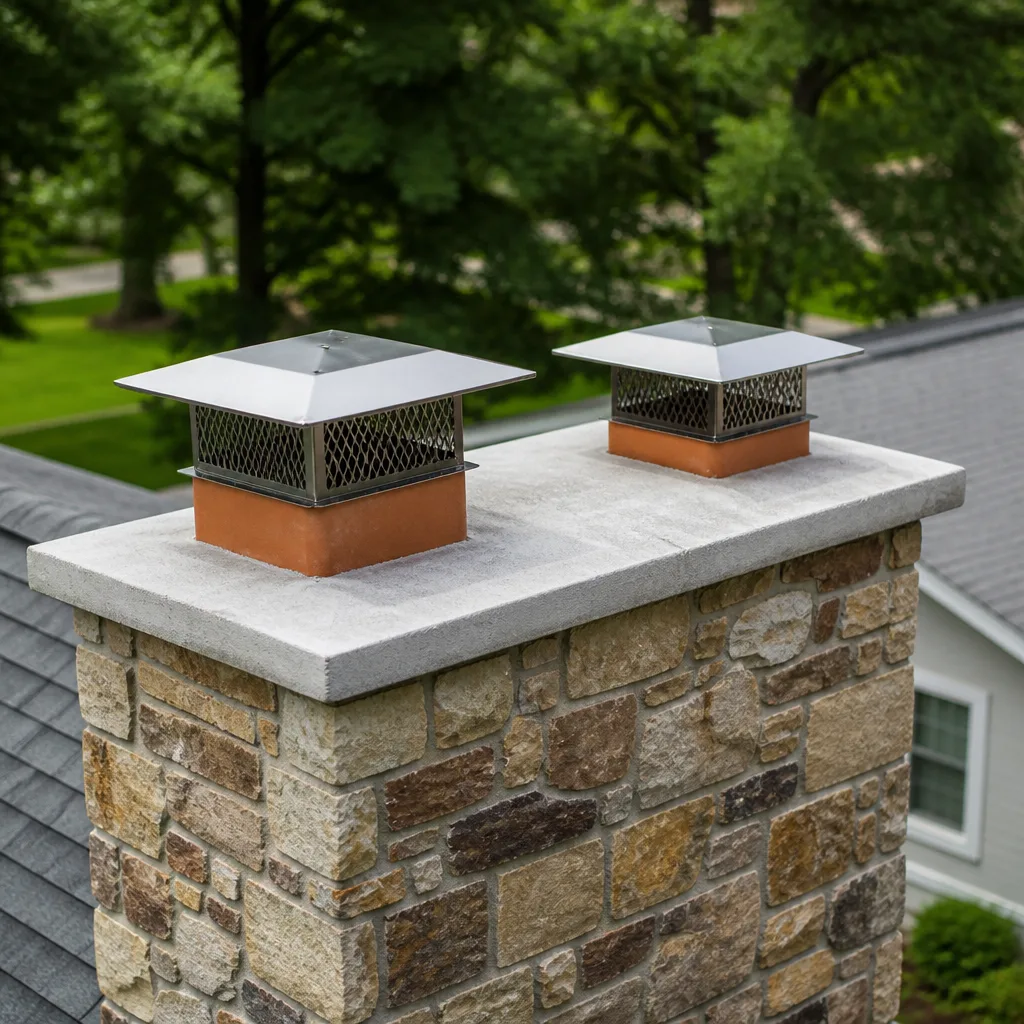
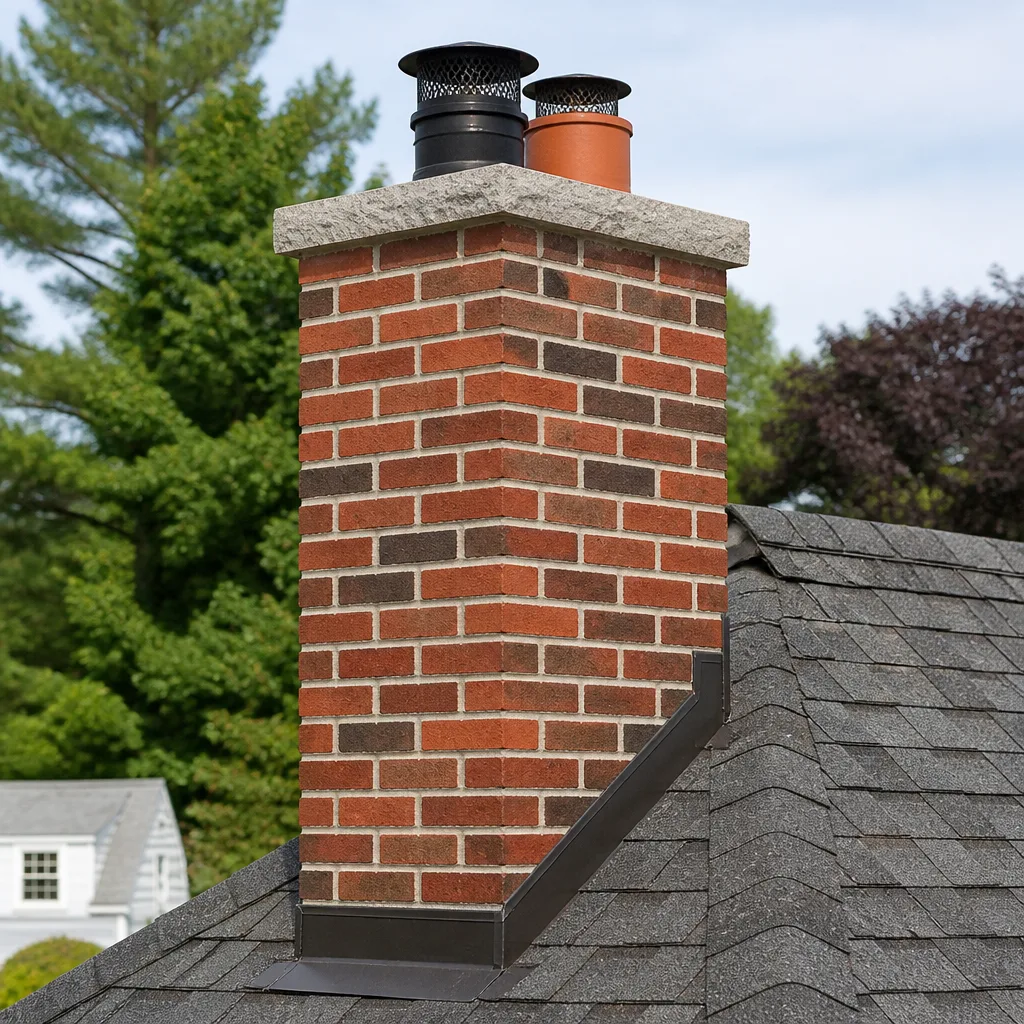
- Crown sealing and repair. The crown is the concrete cap on top of the chimney, and a cracked crown is the number one source of the water intrusion that causes everything else. Resealing or rebuilding it in summer, in dry weather, is how you keep next spring’s spalling from happening at all. This falls squarely under chimney cap & crown work, and it’s the highest-value preventive repair on the whole chimney.
- Flashing repair. The flashing is the metal seal where the chimney meets the roof. A failed flashing lets water run down into the attic and ceiling, and it’s often the actual cause of a “chimney leak” that gets blamed on the crown. Summer is when the roof is dry and safe to work on, and when a roofer and chimney specialist aren’t fighting over the same wet weeks.
There’s a scheduling reason too, and it’s the one Redmond homeowners feel most. By the time the first cold week of fall hits, everyone with a fireplace is trying to book a sweep and an inspection at the same time. Summer work means your chimney is already sound before that demand spike arrives. If you’re going to do one thing this summer, get the inspection done and let the results set the plan – chimney sweep and inspection in the dry months gives you time to act on what turns up.
Fall: Sweep Timing and Testing a Cold Flue Before the First Fire
Fall is when you sweep, but the timing matters more than most people realize. Sweep too early and you miss deposits from late-season burning; sweep too late and you’re in the October rush. The practical answer is to sweep after your last fire of the previous season and before your first fire of the new one, with enough buffer to fix anything the inspection turns up. In Redmond, that usually means booking the sweep before the cool nights start, not after.
The reason not to wait until the night you want a fire is simple: the sweep is also when a trained eye inspects the flue, the firebox, the cap, and the crown. If the inspection finds a cracked liner or a failed crown, you need time to schedule the repair. A sweep booked in early fall leaves room for that; a sweep booked the day before your first fire doesn’t.
Once the chimney is swept, test a cold flue before the first real use. This is a general check, not a substitute for an inspection:
- Open the damper fully and confirm it moves freely and seals again when closed.
- Look up the flue with a flashlight from the firebox to check for obvious obstructions like a bird nest or leaf build-up at the cap.
- Light a small test fire with a couple of dry splits and watch the smoke. It should rise up the flue, not curl back into the room.
- If smoke backs up on the test fire, don’t force a bigger fire to “draw it out.” That’s a draft problem, and it needs diagnosing before you burn seriously.
If the test fire smokes into the room, stop and get it checked. A cold flue that won’t draw on a small test fire is usually telling you something – a blockage, a damper issue, or a flue that isn’t sized to the fireplace. Call (877) 492-1807 and we’ll book a look. We answer 24/7, with fast dispatch from 7am to 7pm, Sunday through Friday.
Winter: Mid-Season Signs Your Chimney Needs Attention
A chimney swept in October can still need attention in January, and the two most common reasons are glazed creosote and draft trouble in cold snaps. Both are the result of how you burn once the season is in full swing, not what the sweep found in the fall. Knowing the signs now means you catch them mid-season instead of at the next October inspection.
Glazed creosote is the one to understand. When a fire burns slowly and cool – damp wood, a fire choked down with the damper, or a smoldering overnight burn – the smoke condenses on the flue walls and hardens into a shiny, tarlike glaze. Normal soot brushes off. Glazed creosote is a different problem, it’s the most combustible form of the deposit, and it can build up in weeks of slow, cool burning even on a freshly swept flue. This is why “I was swept in October” doesn’t mean you’re automatically safe in February.
Draft problems show up in the coldest weather too. A chimney that pulls fine at 40 degrees can struggle on a hard cold snap, because the temperature difference between the cold flue and the outside air changes how the smoke rises. Signs to watch for:
- A fire that’s harder to light or that smokes into the room on cold mornings.
- A smell of smoke in the house when the fireplace isn’t even lit.
- Creosote or soot showing up at the top of the firebox or on the damper.
- A noticeable decline in how well the fireplace heats compared to earlier in the season.
None of these means panic. A smelly, slow-drawing flue on a cold morning is common and often just needs a diagnostic look. But if smoke is backing into the room consistently, or you’re seeing fresh soot where you didn’t before, get it checked before the next fire. Mid-season chimney attention in Redmond is usually a quick diagnostic – and it’s far cheaper than a chimney fire or a carbon monoxide problem you didn’t see coming.
How La Niña and El Niño Years Shift Your Sweep Schedule
Redmond’s weather swings with the La Niña and El Niño pattern in the Pacific, and that variability changes when you should sweep and repair. In a wet, cool La Niña year, you get a longer, damper heating season and more moisture stress on the masonry: more rain hitting the crown and flashing, more condensation in the flue during the shoulder months, and a burning season that starts earlier and runs later. Those years argue for an earlier fall sweep and a sharper spring look at water damage.
In a drier, warmer El Niño year, the risk tilts toward the fire itself. A longer, drier fall means more burning, more creosote, and a higher chance of a hot fire meeting heavy deposits. A dry year also gives you a longer, more reliable summer repair window, so liner and crown work in summer is less likely to be rained out and delayed.
Either way, the pattern is a reason to schedule by the forecast, not the calendar. A few practical rules:
- After a wet winter, move your spring inspection up and look hard at the crown, flashing, and any new efflorescence.
- Before a dry, hot fall, sweep earlier so you’re not adding creosote to an already heavy load.
- Plan summer repair work for the driest stretch you can identify, so cures and seals aren’t interrupted.
The sweep itself doesn’t change with the weather – a chimney still needs cleaning on a schedule – but the timing of inspection and repair should flex with the year. That’s the part a one-size-fits-all “sweep once a year” reminder misses.
Common Mistakes to Avoid
We see the same handful of mistakes year after year around Redmond, and most of them are timing mistakes rather than anything exotic. Avoiding them saves real money.
- Waiting for the first cold night to book a sweep. That’s the October pile-up. Book before the cool nights start so there’s room to fix what the inspection finds.
- Skipping a spring look because the chimney “worked fine all winter.” A chimney that drafts well can still be taking on water through a cracked crown or flashing. Spring is when that shows up, and it’s cheap to fix then.
- Putting off liner and crown work to fall. Summer is the dry, open-schedule window. Pushing big repairs into fall means competing for time when everyone else is also trying to get ready to burn.
- Treating a slowly smoldering fire as efficient. Cool, choked-down burns are what make glazed creosote. A clean, hot fire with dry wood is easier on the flue.
- Burning unseasoned wood to save money. Damp wood burns cool and loads the flue with creosote. The savings on the wood show up later as a sweep or a repair.
- Assuming a sweep in October covers you through February. Slow, cool winter burning can build fresh deposits mid-season. Watch for the signs and get a diagnostic if something changes.
- Letting a small crown crack wait for “someday.” A crown is the leading source of water intrusion. Catching it in spring or summer is a small repair; catching it after a wet winter of saturation is a bigger one.
When to Call a Professional
Some things are a flashlight and a look; others need a trained eye and the right tools. Call a professional when you see spalling brick, white efflorescence that keeps returning, a damper that won’t seal, or cracks in the crown or firebox. Call immediately if smoke backs into the room on a normal fire, if you smell smoke in the house with no fire lit, or if you suspect glazed creosote has built up. Those are the situations where a diagnostic inspection tells you what’s actually happening, and nothing gets recommended without evidence you can see for yourself.
Redmond Chimney Sweep offers free estimates in Redmond – call (877) 492-1807. We answer 24/7. Fast dispatch from 7am to 7pm, Sunday through Friday. One company for the entire chimney system, from the sweep to the crown.
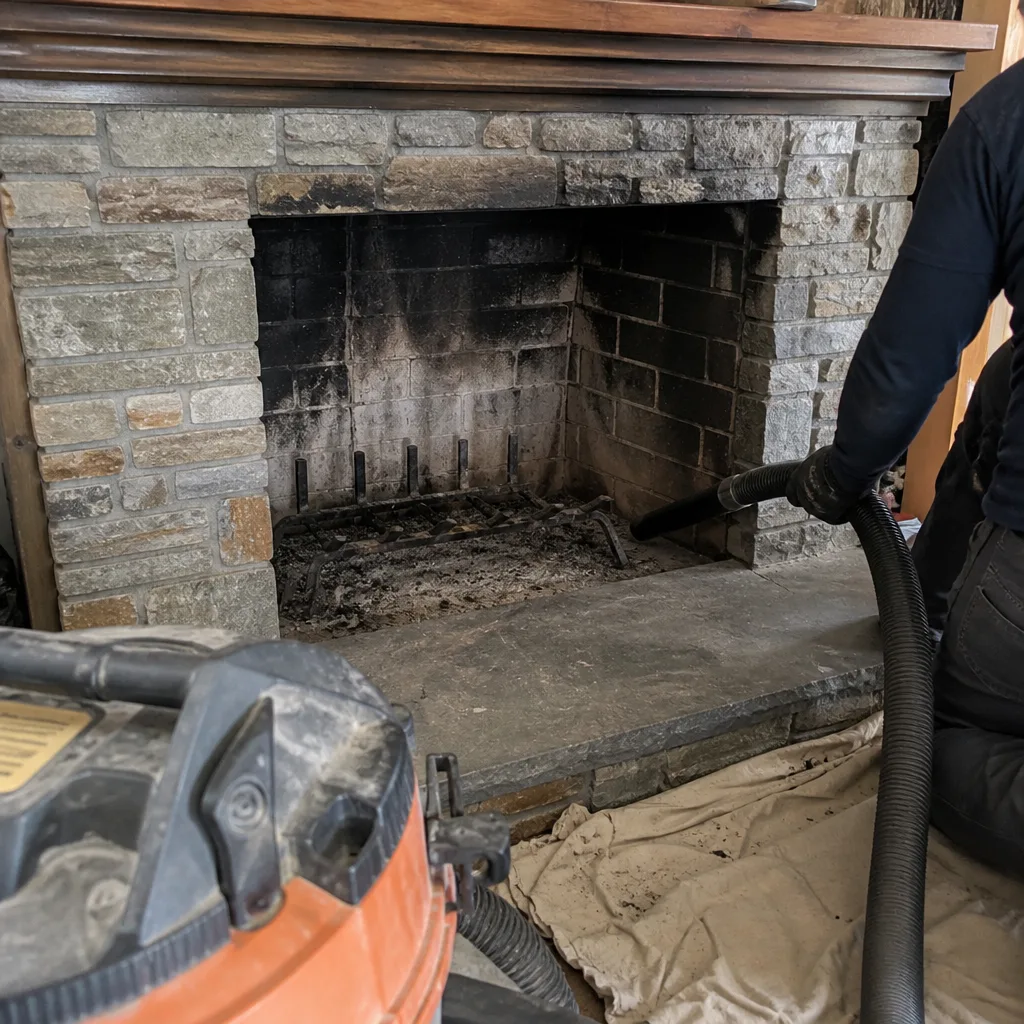
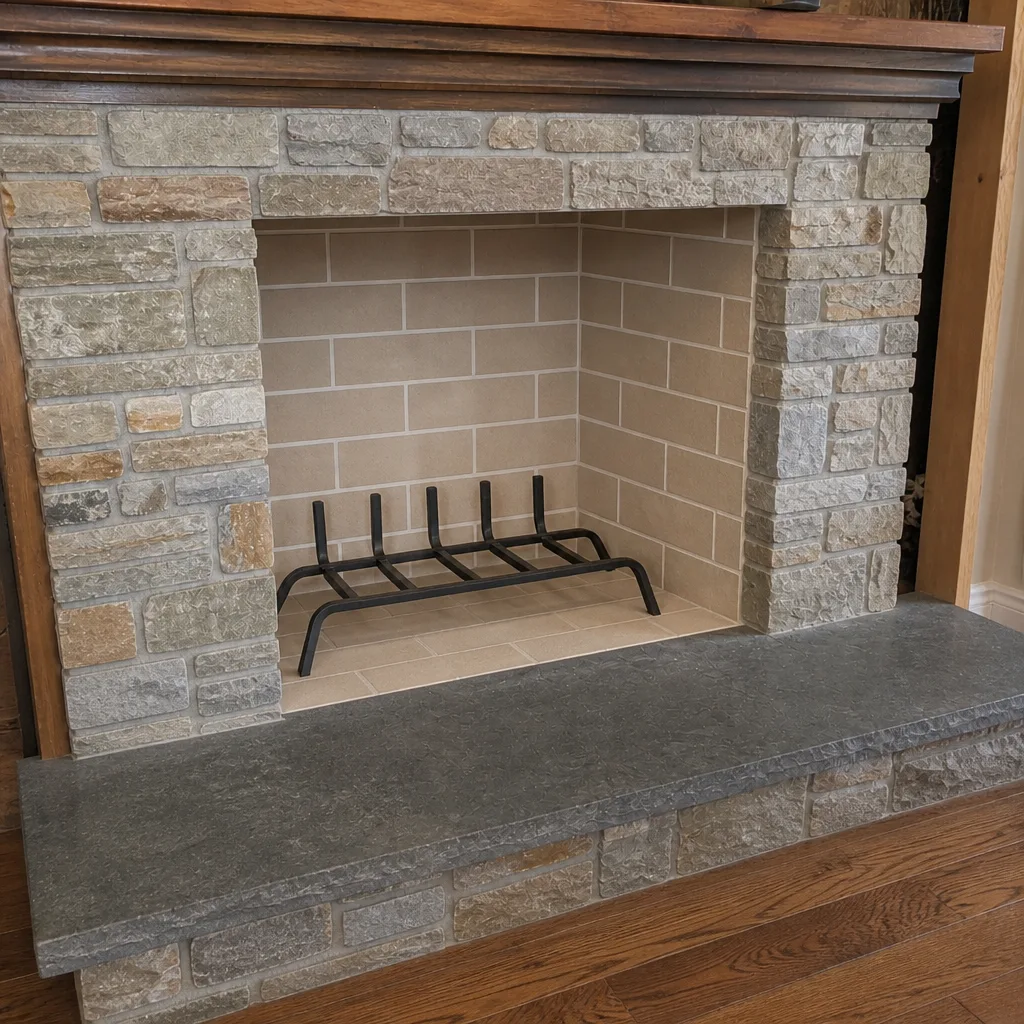
See the difference
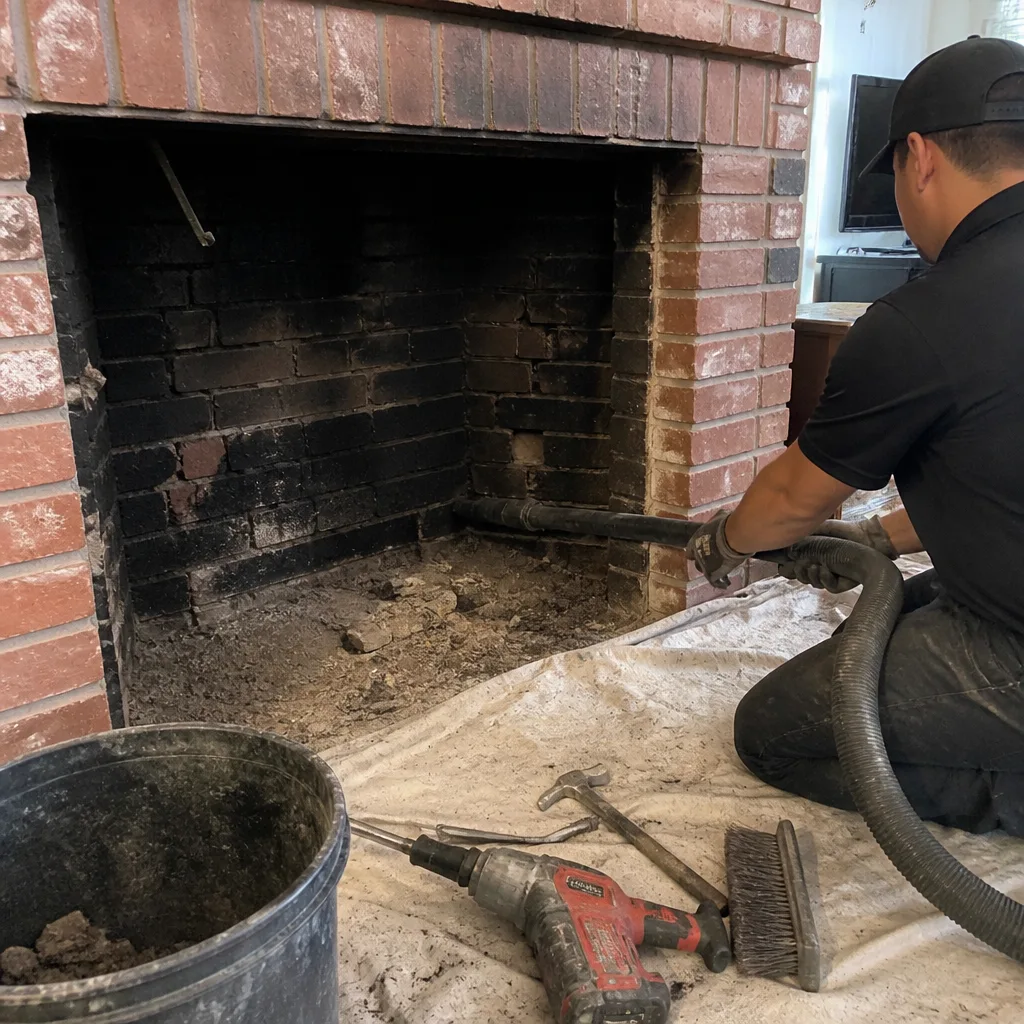 Before
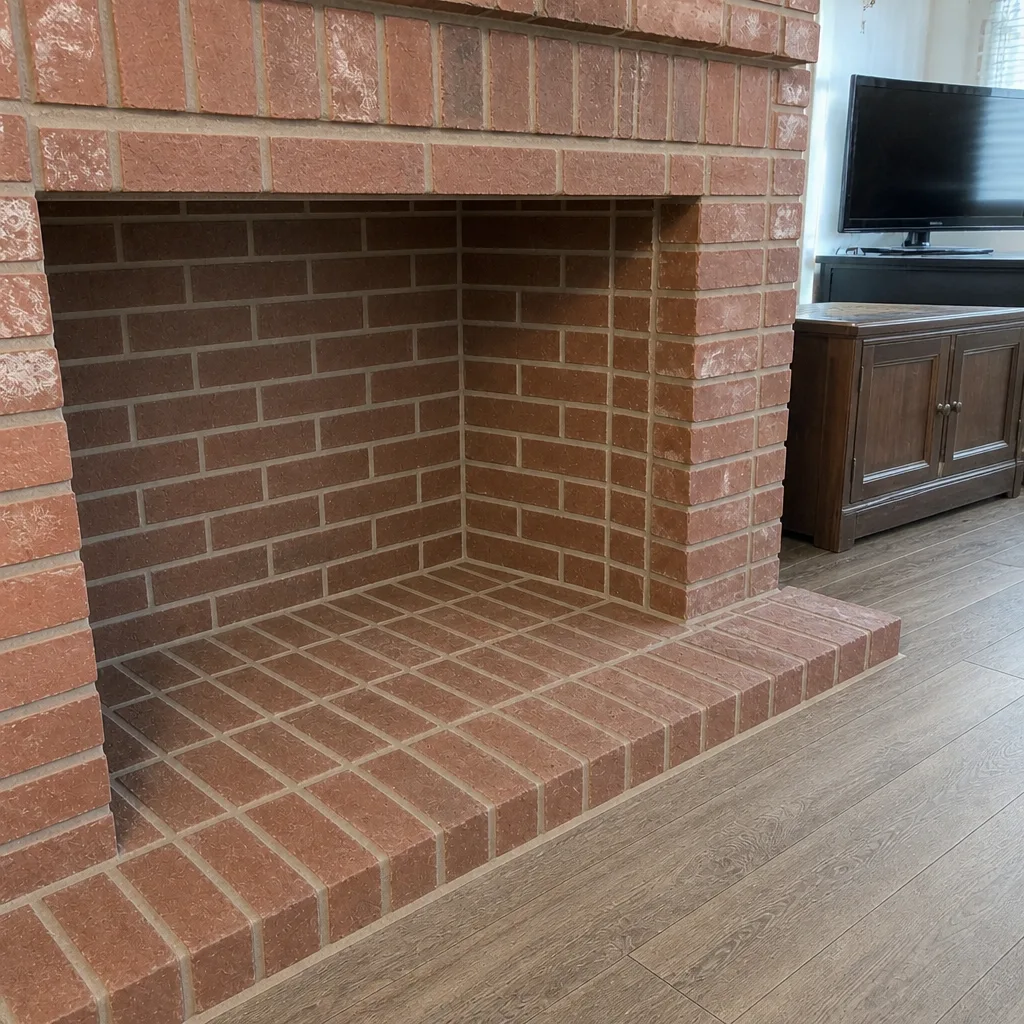 After
 Before
 After
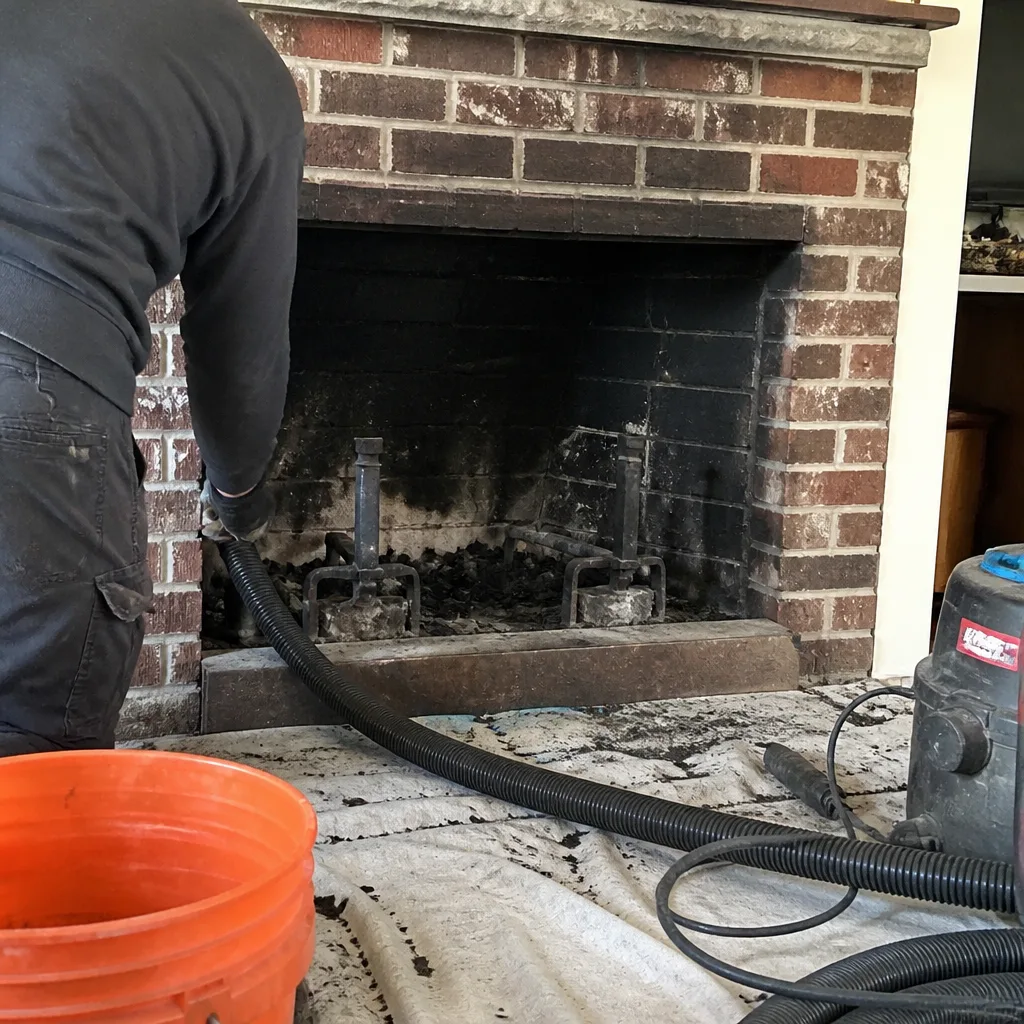 Before
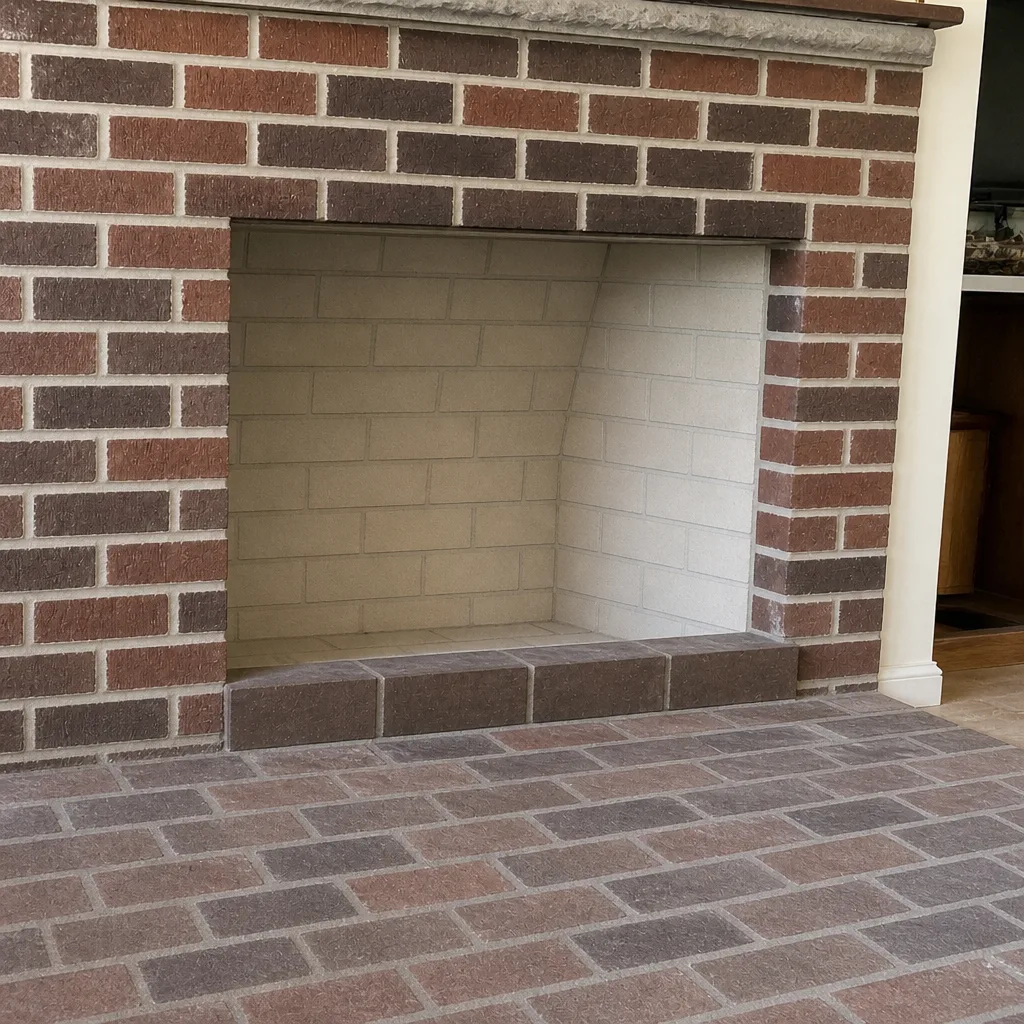 After
Frequently Asked Questions
Most chimneys used regularly should be swept once a year, and a chimney that burns heavily or burns damp wood may need it more often. The sweep is also your yearly inspection, so it’s less about a fixed number and more about catching changes before they become repairs. If you burn through the winter, sweep before the season and watch for mid-season signs of fresh creosote.
You need a liner repair if the inspection actually shows a damaged liner – cracked tiles, gaps, or a flue that’s letting heat and gases into the surrounding structure. A liner is not something to replace on a hunch, and a reputable specialist will show you the evidence from a camera inspection before recommending anything. If the liner is sound, it doesn’t need replacing; if it isn’t, the question is which repair – relining or resurfacing with a system like HeatShield – fits the damage.
Summer repairs are usually less expensive and easier to schedule, mainly because you’re not competing with the fall rush and the weather cooperates. Liner installations and crown sealing need dry conditions and curing time, and the dry summer months give you both. Booking in summer also means your chimney is already sound before the first cold week, when everyone else is trying to get on the schedule at once.
Skipping a year usually means a small problem gets a full year to grow. A cracked crown takes on more water, spalling spreads, and glazed creosote builds up in the flue – all things that cost more to fix than they would have a year earlier. The bigger risk is a chimney fire or carbon monoxide problem that a sweep and inspection would have caught. A clean chimney is the starting point; a safe, structurally sound chimney is the goal.
You often can’t tell from the firebox, which is why an inspection matters. Glazed creosote looks like a shiny, hardened, tarlike coating on the flue walls, and it forms when a fire burns slowly and cool with damp wood or a choked damper. Signs at home include a fire that’s harder to light, more smoke smell, and soot showing up where it didn’t before. A sweep and camera inspection is the only reliable way to confirm it.
A cold flue on a hard cold snap can draw poorly even when the chimney is clean, because the temperature difference changes how smoke rises. It can also point to a partial blockage, a damper that isn’t opening fully, or new creosote. If it smokes consistently into the room, don’t force a bigger fire – get a diagnostic look. Call (877) 492-1807 for an exact quote; estimates are free.
The Bottom Line
Seasonal chimney care in Redmond comes down to using the right season for the right job. Spring shows you what winter did – spalling, efflorescence, a corroded damper – and gives you time to act. Summer is when the real repair work happens: liner restoration, crown sealing, flashing, and cap work, done in dry weather before the fall rush. Fall is the sweep and the cold-flue test before your first fire. Winter is your watch for glazed creosote and draft trouble. Flex that schedule to the year’s weather, and you spend less on emergency repairs and more on keeping the whole system sound. Catch it in the inspection, fix it before it fails.
Ready to put your Redmond chimney on a seasonal schedule? Call (877) 492-1807 for a free estimate. We answer 24/7. Fast dispatch from 7am to 7pm, Sunday through Friday. From cap to firebox, every part of your chimney, handled – chimney sweeping, inspection, fireplace repair, chimney repair, and cap and crown work, all under one company.
Written by the team at Redmond Chimney Sweep.