
Last updated November 25, 2026
 Sweep & inspection
 Caps & crowns
 Flue relining
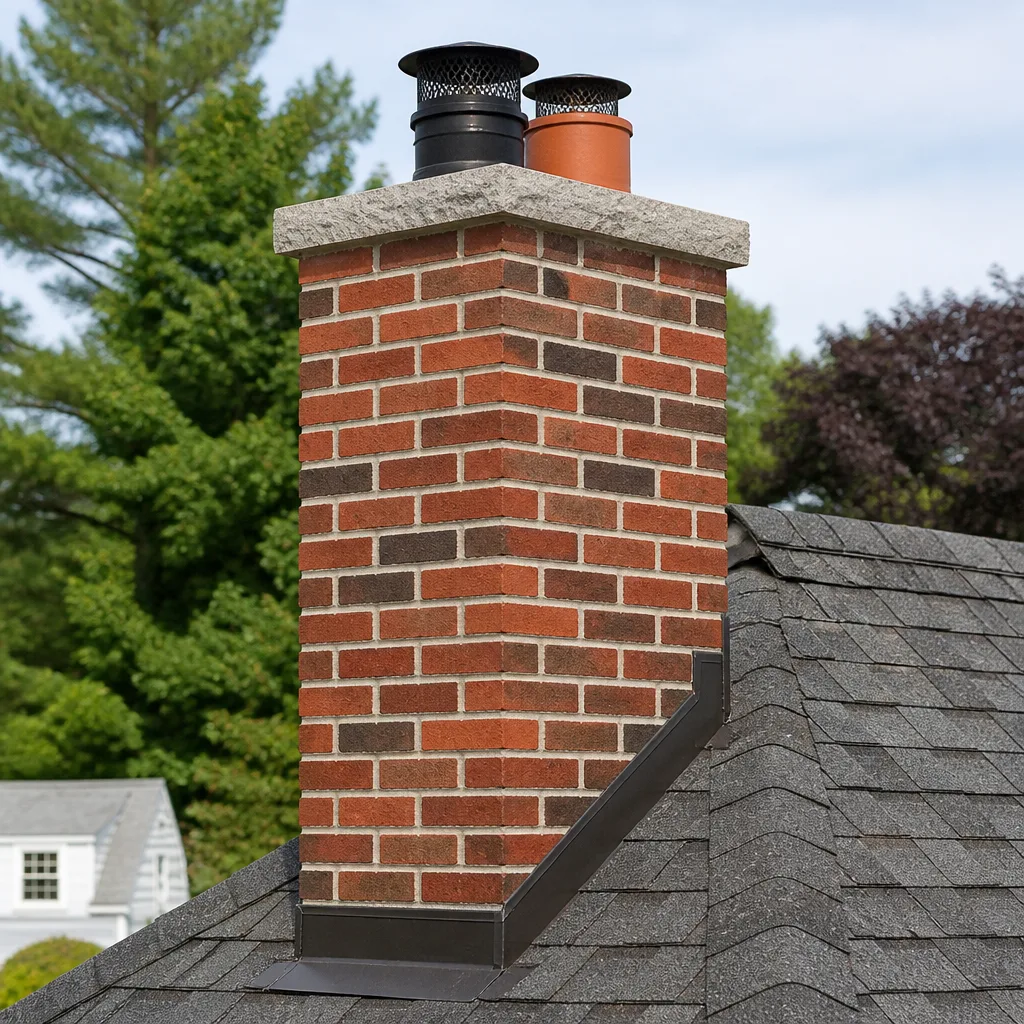 Masonry repair
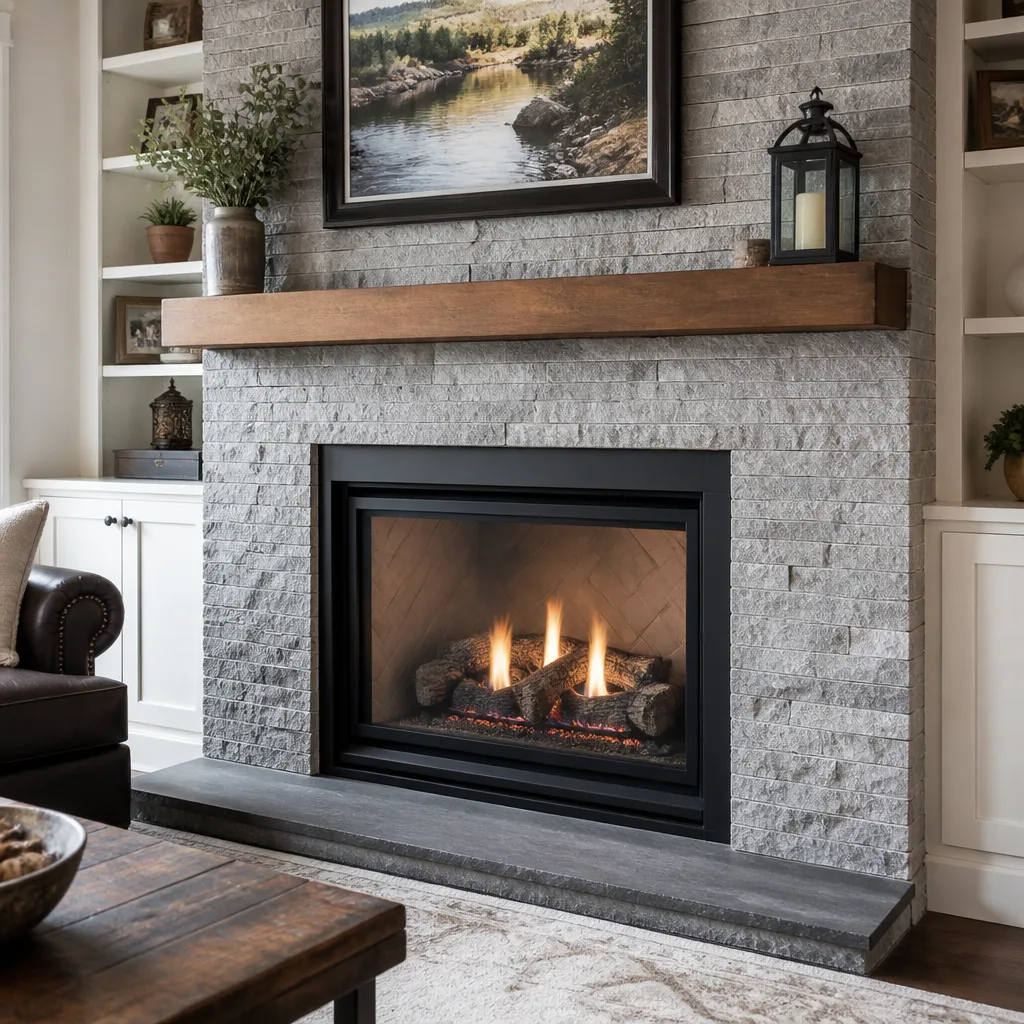 Gas fireplace service
Level 1 sweep and inspection to the NFPA 211 annual standard - flue, crown, cap, and flashing checked and photographed
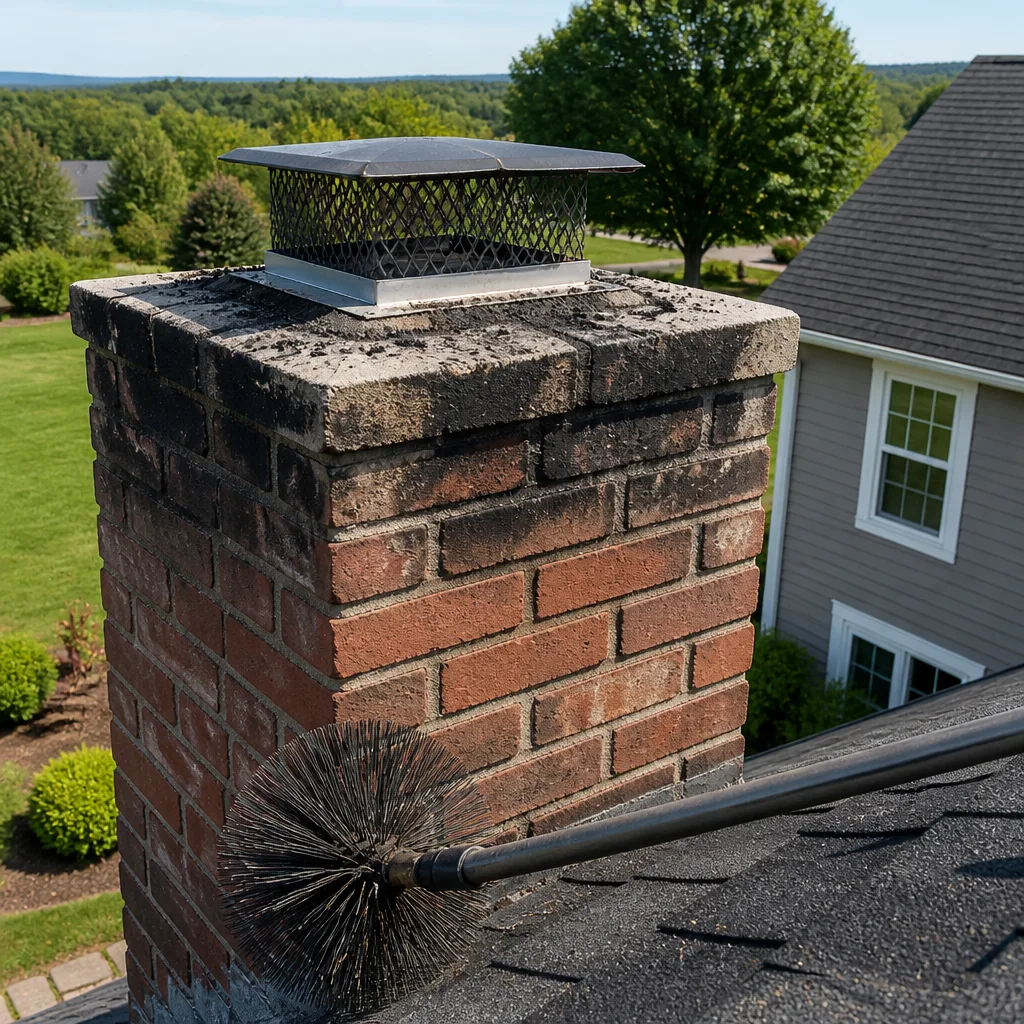
Chimney sweep logs do not sweep chimneys. They loosen some creosote - which then falls where a brush and vacuum still have to collect it.
Chimney Cleaning Cost Breakdown: The Redmond Homeowner’s Reference for 2026
Two quotes for a chimney cleaning in Redmond can arrive at $99 and $450 and both be honest. That gap confuses homeowners, and it’s the reason so many people pick the low number and later feel talked into repairs. The truth is that the price of a sweep isn’t set by how much a company wants to charge. It’s set by what’s actually inside your flue. A chimney with a light dusting of soot takes a brush and a short while. A chimney with glazed, hardened creosote takes different tools, more caution, and a longer visit. Neither you nor we can know which one you have until someone looks. This guide walks through every cost driver behind a chimney cleaning in Redmond, the repairs that commonly turn up during one, and how to read a quote line by line so you’re comparing the same job across bids.
Quick Answer
A standard chimney cleaning in Redmond usually runs a modest base price, and what moves that number up or down is creosote level, flue length, appliance type, and whether a camera inspection or minor repair is folded into the visit. A cleaning paired with a Level 2 inspection and a small fix like cap or crown work lands in a higher tier. We work from one written estimate per job, so the final number reflects what your specific chimney needs, not a flat national figure.
Styles & brands we work with
- Sweep & inspection
- Caps & crowns
- Flue relining
- Masonry repair
- Gas fireplace service
Table of Contents
- What actually drives chimney cleaning cost in Redmond?
- How creosote levels (I, II, III) change the price
- What a Level 2 inspection adds, and when it’s not optional
- Repairs that commonly follow a cleaning discovery
- Redmond cost ranges at a glance
- How to read a chimney sweep quote line by line
- The real cost of skipping a year of maintenance
- Cheap prevention that avoids expensive repair
What actually drives chimney cleaning cost in Redmond?
Chimney cleaning cost in Redmond is not one number, and no honest company can quote you a firm figure over the phone without seeing the chimney. Five things move the price up or down, and each one is knowable before a brush ever touches the flue.
Flue length and access. A straight run from the firebox to the cap is fast to sweep. A flue with an offset, an awkward roof pitch, or a tight damper frame takes longer and needs more care at the top. Roof pitch matters here because a steep roof means more setup for safe access, and setup time is real labor.
Appliance type. A traditional open wood fireplace, a wood-burning insert, a gas log set, a pellet stove, and a freestanding wood stove all sweep differently. Inserts usually require pulling the unit or working around a surround. Gas appliances produce different deposits. Pellet stoves have their own venting profile. If you have an insert, the technician needs to know before arriving so the right tools come off the shelf.
Creosote level. This is the biggest single variable, and it’s covered in detail below. Light soot is quick. Glazed creosote changes the whole job.
Years since the last service. A chimney swept regularly is easier to sweep again. A chimney that hasn’t been touched in a decade holds more buildup, and the technician has to remove it in stages rather than one pass.
Whether a repair is bundled in. Many visits start as a cleaning and turn into a cleaning plus a cap replacement or a crown patch. That’s normal and it’s the reason a single written estimate beats a lump verbal price.
In our experience across Redmond homes, the most common surprise is not a costly repair. It’s how much a few extra years of skipped sweepings add to labor. Regular maintenance keeps the base cost of cleaning at the base price.
How creosote levels (I, II, III) change the price
Creosote is the residue left behind when wood smoke cools inside the flue, and the chimney trade sorts it into three recognized levels because each one requires different removal methods and different pricing. This single classification explains most of the gap between a low quote and a high one, and it’s the first thing a good technician assesses.
- Level 1 creosote is soot and light flaky deposits, often a thin dusty coating. It comes off with a standard brush and routine sweeping. This is the cheapest outcome and the one a homeowner with an annual cleaning habit tends to see.
- Level 2 creosote is a harder, crusty or tar-like deposit that clings to the flue walls. It takes firmer brushing, sometimes chemical treatment to loosen it, and more passes. A sweep-only company that only carries a brush will often hit this and stop. A specialist carrying professional-grade products, including the resurfacing system HeatShield uses, has more options to address it.
- Level 3 creosote is glazed and hardened, essentially a baked-on shell inside the flue. It’s a fire hazard and it can’t be swept out with a brush alone. Removal can require chemical agents plus resurfacing or relining. This is the tier where the cheapest bid becomes the most expensive one, because the low bidder may not have the tools or licensing scope to finish the job.
You can’t see which level you have from the living room. A camera in the flue tells the technician and tells you. If you’ve been burning unseasoned wood, damping the fire down to stretch it, or haven’t swept in several seasons, the odds of Level 2 or 3 creep up. In Redmond’s damp winters, wood that’s been stacked outside and covered doesn’t always dry as fast as homeowners expect, and wet wood produces more creosote than dry. That’s a real local driver of buildup, and it’s worth knowing before you compare quotes.
What a Level 2 inspection adds, and when it’s not optional
A Level 2 inspection is a more thorough look at the whole chimney than a visual check, and it usually includes a camera run through the flue. It adds cost because it takes time and equipment, and there are situations in Redmond where it isn’t optional.
A Level 1 inspection is a visual check of accessible parts of the chimney and firebox during a routine sweep. A Level 2 goes further: the flue interior via camera, the joints, the connections, and any concealed areas. A Level 3 happens when a serious defect is suspected and parts of the chimney must be opened up to see them. Most homeowners live in Level 1 and Level 2 territory, and a cleaning visit often includes a Level 2 when there’s a reason for one.
Three situations make a Level 2 the sensible choice rather than an upsell:
- After a storm. Wind and impact can crack a crown, displace a cap, or shift flashing. The Puget Sound area sees wind storms that knock debris onto roofs, and a chimney that looks fine from the driveway can have a cracked flue behind the cap.
- After a chimney fire. Even a small fire can damage the flue lining in ways only a camera reveals. If you’ve had one, or suspect one, a camera inspection is the standard next step.
- During a real estate transaction. A sale usually triggers a Level 2 because a buyer and lender want documentation of the chimney’s condition. This is one of the most common reasons Redmond homeowners call for an inspection with no other complaint.
We use a camera and include a photo report so you see what we see. That matters when a recommendation turns into a repair conversation. You should never have to take a technician’s word for what’s inside your flue. Call (877) 492-1807 to book an inspection and we’ll show you what’s there. In the meantime, our Redmond Chimney Sweep team handles the full scope from inspection through repair.
Repairs that commonly follow a cleaning discovery
Cleaning and inspection find problems before they become failures, and a handful of repairs turn up again and again on Redmond chimneys. Knowing the typical pricing shape for each helps you budget rather than react.
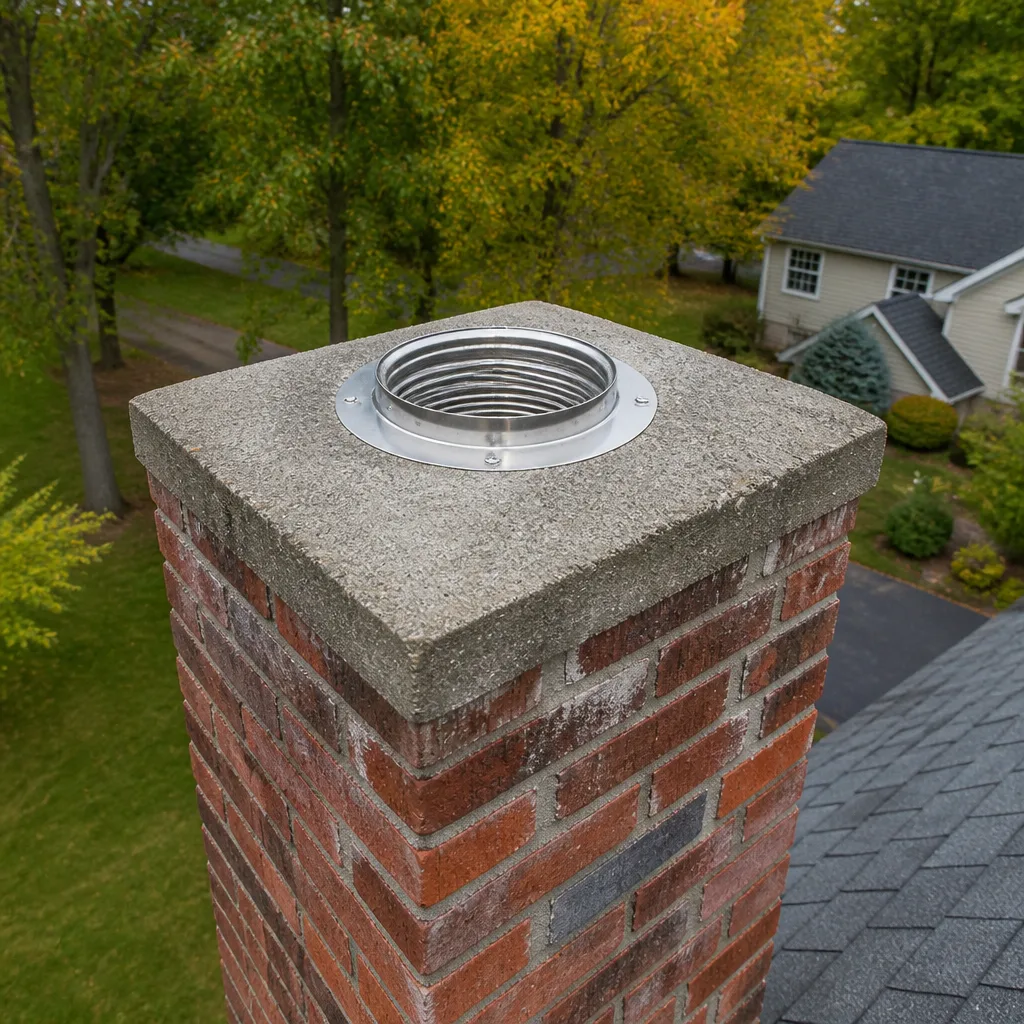
Relining. A cracked or deteriorated flue liner has to be replaced for safe venting, and relining is usually the biggest line item a homeowner faces. The cost depends on flue length, liner material, and whether the chimney needs a resurfacing step first. We work with professional-grade liner products including DuraFlex and Olympia Chimney, and where the existing flue needs restoration rather than straight replacement, the HeatShield resurfacing system can repair a liner that many sweep-only companies would only quote as full replacement. The material and method drive the number more than labor does.
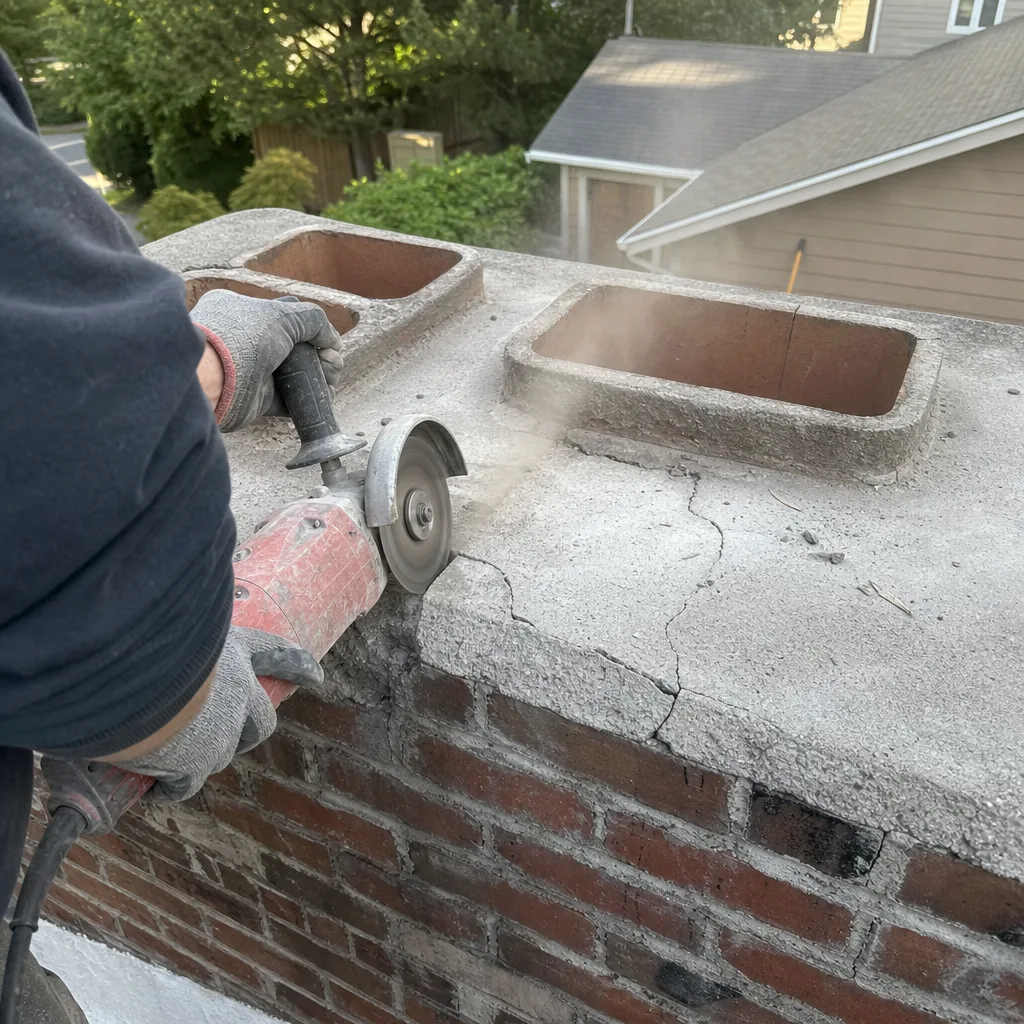
Crown repair. The crown is the concrete cap at the top that sheds water. A cracked crown lets water into the chimney structure, and water damage is the leading cause of expensive masonry problems. Patching or rebuilding a crown is a mid-range repair and far cheaper than the structural work that follows if it stays cracked.
Flashing replacement. Flashing is the metal seal where the chimney meets the roof. Failed flashing is a common source of leaks in Redmond’s rainy climate, and replacing it is usually a moderate job that prevents interior water damage.
Firebox parging. The firebox takes direct heat, and the mortar joints can crack over time. Reparging the firebox restores the surface and is a repair we handle alongside fireplace repair so the whole hearth system stays sound, not just the flue.
Redmond labor rates reflect the Eastside market, and specialty work with brand-name materials costs more than generic patching because the products and methods are held to a higher standard. One written estimate per job keeps this transparent. If your crown or cap is the weak point, we also run dedicated chimney cap and crown services to address water intrusion before it spreads.
Redmond cost ranges at a glance
Below are the typical ranges homeowners should plan around for the most common chimney services. These are estimates, not firm quotes. Your written estimate sets the final price, and it’s free.
| Service | Typical starting tier | What moves it higher |
|---|---|---|
| Standard chimney sweep (Level 1) | Base tier | Flue length, insert type, heavy soot |
| Sweep plus Level 2 camera inspection | Mid tier | Camera report, concealed defects found |
| Level 2 inspection stand-alone (storm, sale, post-fire) | Mid tier | Access, documentation needed |
| Chimney cap and crown repair | Mid to upper tier | Crown rebuild vs. patch, cap material |
| Flashing replacement | Mid tier | Roof pitch, chimney location |
| Firebox parging | Mid tier | Extent of cracking |
| Relining or resurfacing | Upper tier | Flue length, material, resurfacing needed |
We list tiers rather than hard dollar figures because a single national price would mislead you in Redmond. A homeowner here faces a wetter climate than many inland markets, which raises the odds of water-related repair on the crown and flashing, and that shifts the typical total. Ask for the written estimate and the range should make sense against your chimney’s actual condition. When you’re ready for a chimney sweep, we’ll give you the exact scope and price in writing.
How to read a chimney sweep quote line by line
A chimney quote is only comparable to another quote if both cover the same scope, and many bids look alike on the surface while hiding big differences underneath. Reading a quote line by line is the single best way to avoid paying twice.
Start with what’s included in the sweep itself. Does the quote name the inspection level? A low sweep price with a Level 1 visual check is a different product from a mid price that includes a Level 2 camera inspection. If the two bids differ on inspection level, they aren’t the same job, so don’t compare their bottom lines.
Next, look for what’s not included. Some quotes list the sweep but leave the camera inspection, the cap check, and any minor repair as add-ons billed separately. If a bid seems unusually low, check whether the price is for a brush-only sweep with everything else sold up afterward.
Then read the materials section. A relining quote should name the liner product and whether resurfacing is included. A repair quote that just says “crown work” tells you nothing. Brand-named materials like DuraFlex, Copperfield, or HeatShield are a sign the company knows the supplier end of the trade and isn’t substituting generic material.
Finally, confirm the estimate is written and itemized. A lump verbal price is not a quote you can compare. A written estimate per job, with line items and a clear scope, is what lets you weigh one Redmond bid against another fairly.
Our rule is simple: nothing gets recommended to you without camera evidence you can look at yourself, and we’ll tell you plainly when a repair can safely wait. That’s how a quote stays honest.
See the difference
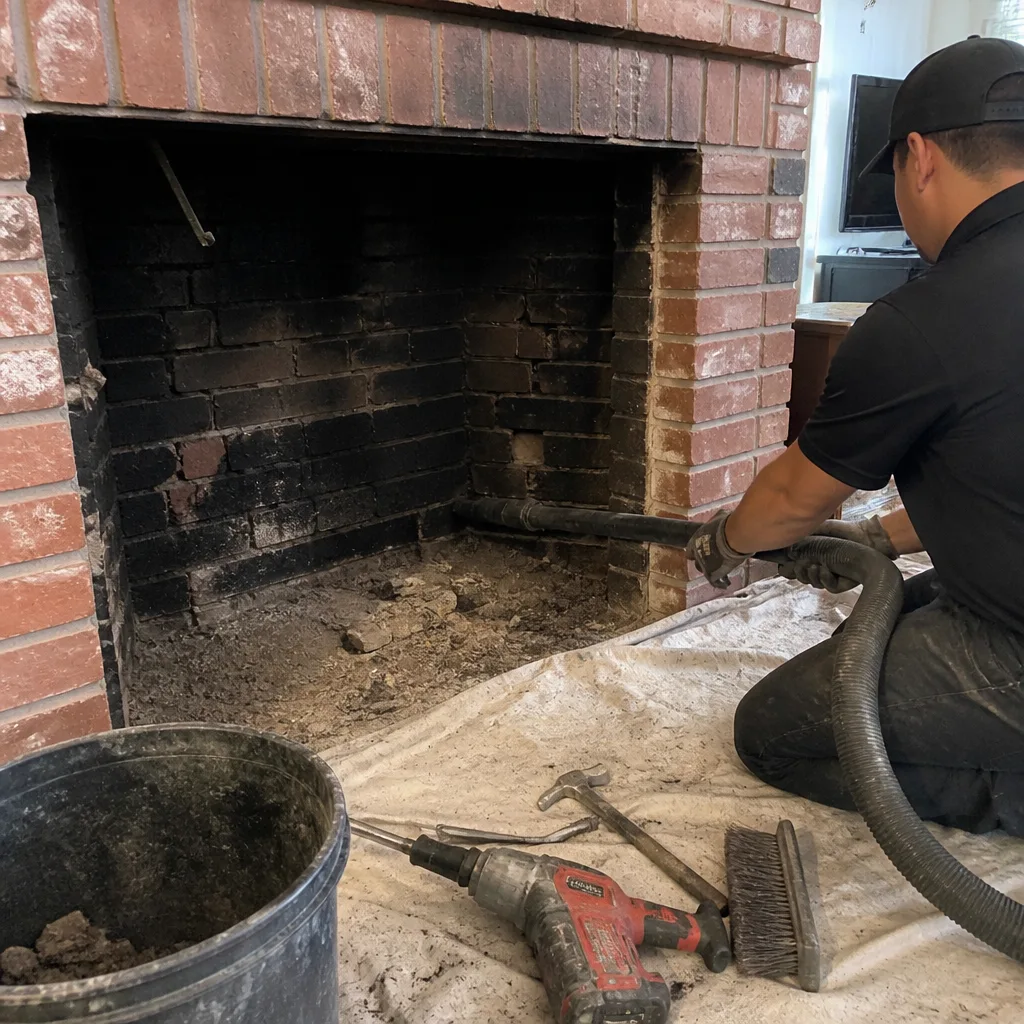 Before
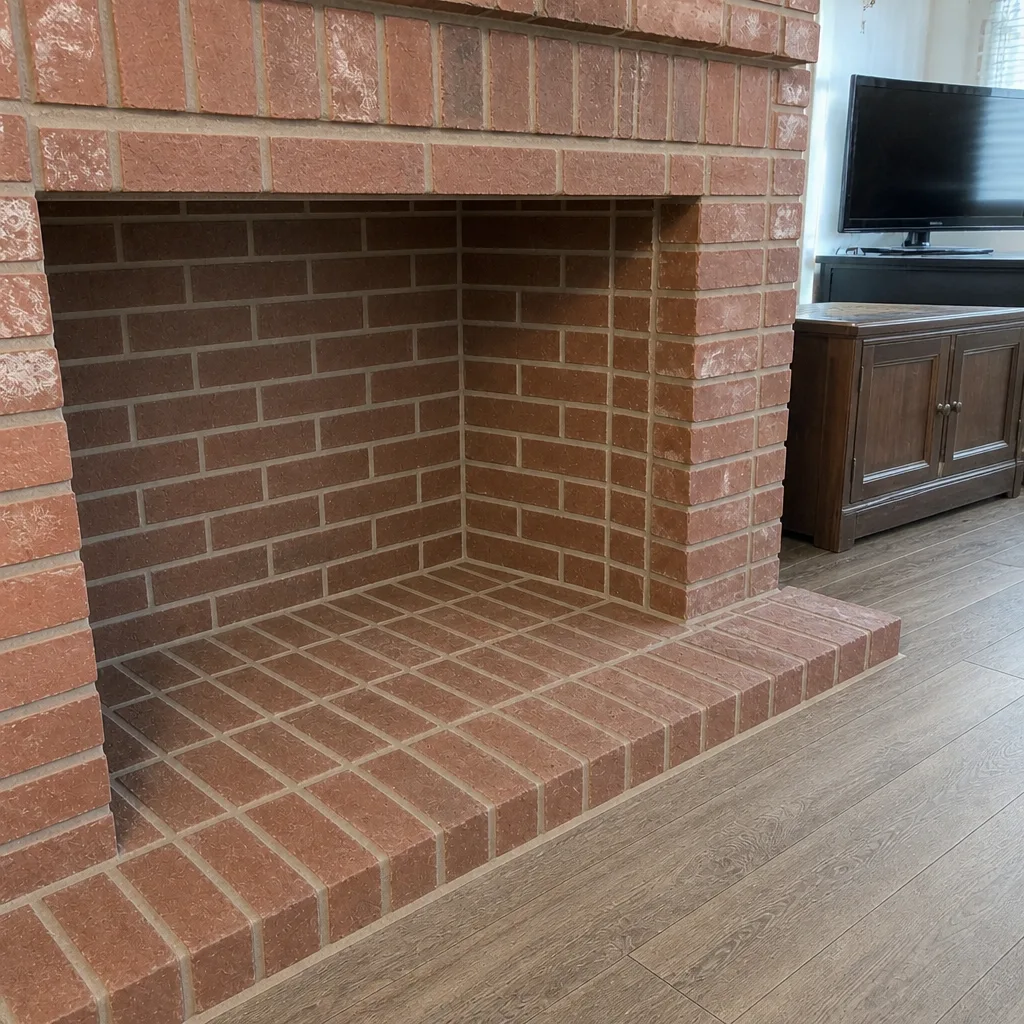 After
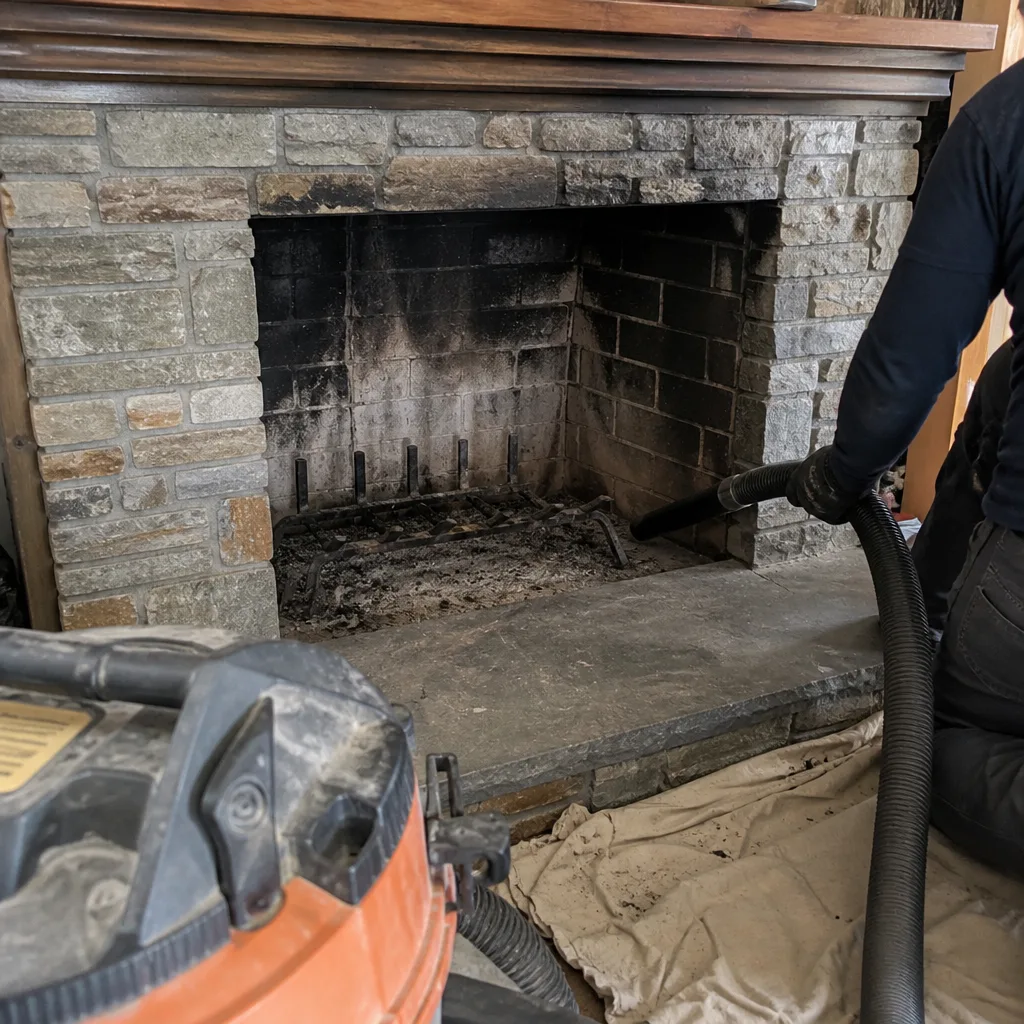 Before
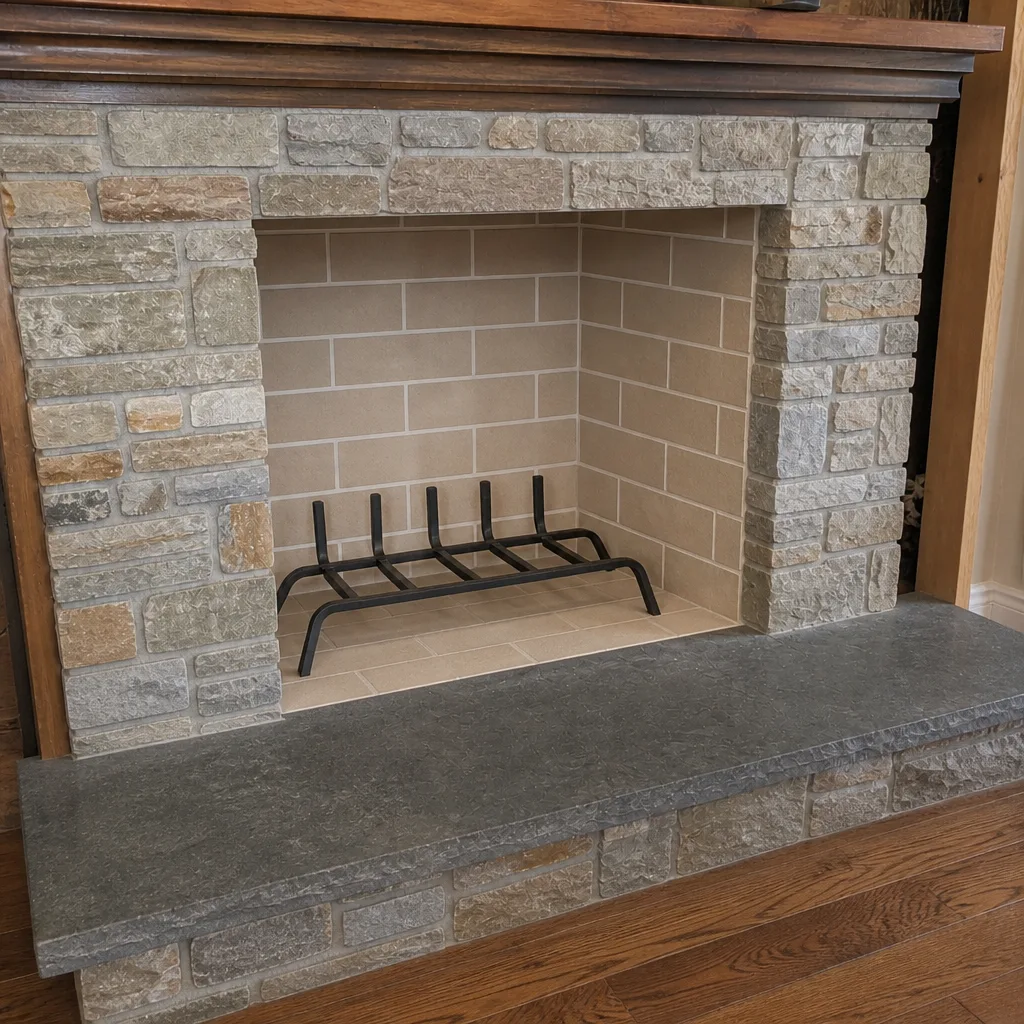 After
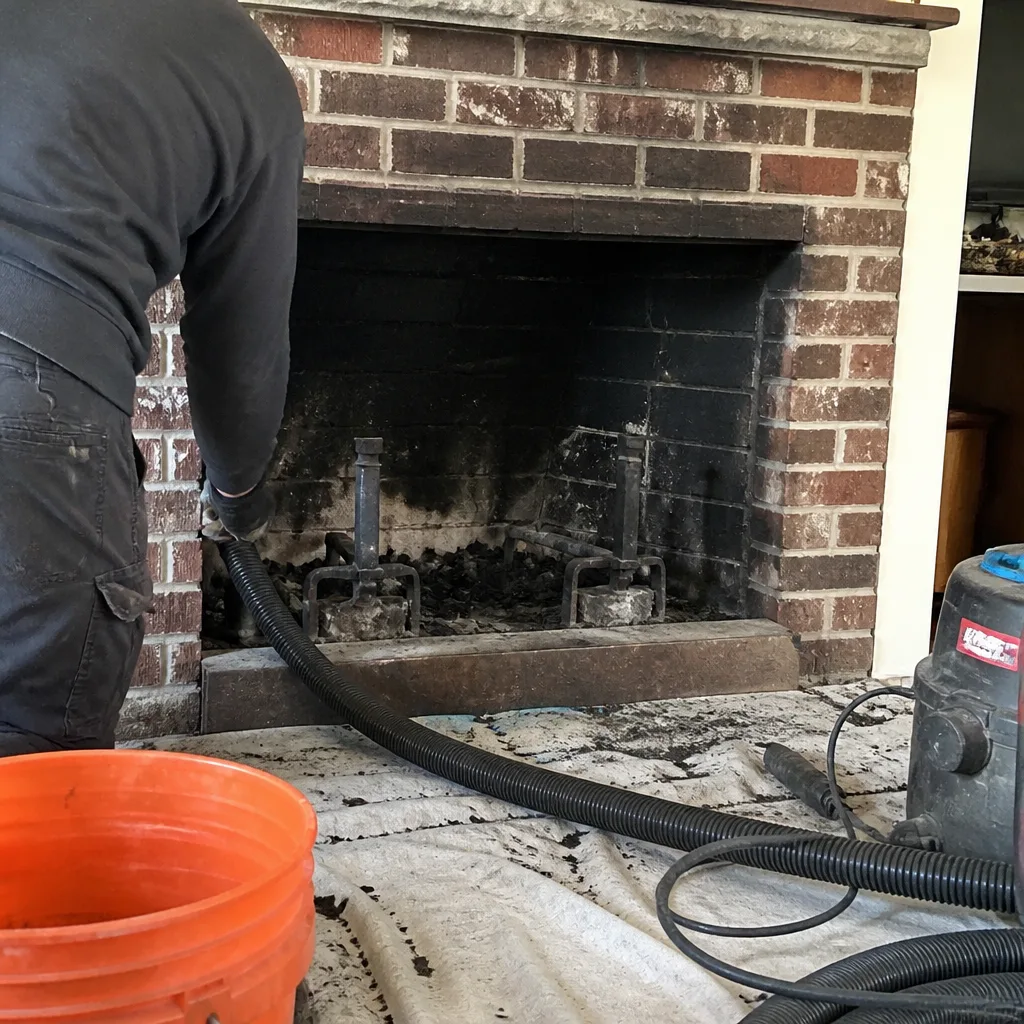 Before
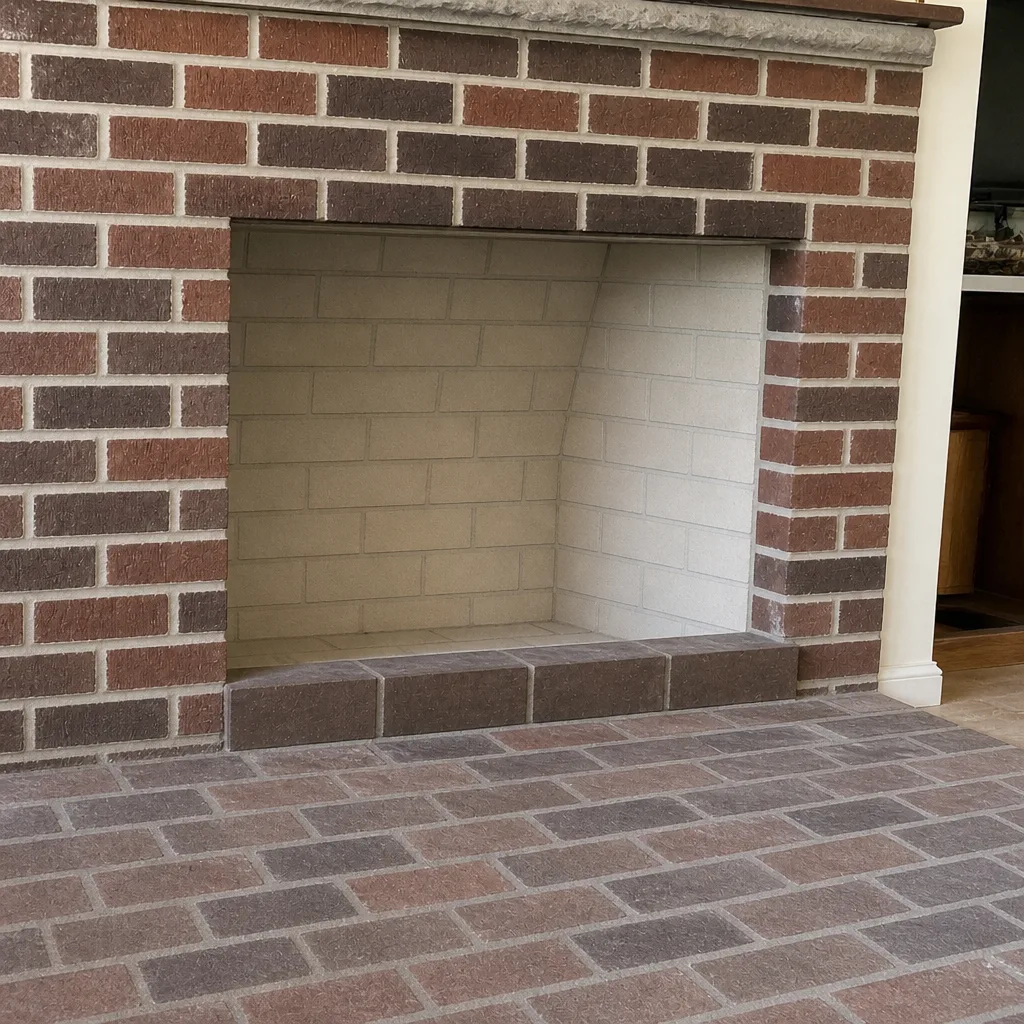 After
The real cost of skipping a year of maintenance
Skipping a sweep saves the price of a sweep, and that’s the only thing it saves. The honest accounting runs the other direction, because maintenance is the cheapest part of owning a chimney and repair is the expensive part.
Here’s how the math works in practical terms rather than scare scenarios. A cleaned chimney is swept at the base price. A chimney skipped for several seasons accumulates creosote, which means either a longer cleaning that climbs toward Level 2 or 3 removal, or a repair if a defect went unseen. A cracked crown that no one caught becomes water damage to masonry. A failed flashing that no one caught becomes interior staining and rot. A deteriorated liner that no one caught becomes a relining job, and relining is the top tier of chimney work. Every one of those is a larger number than the sweep that would have caught it.
The risk isn’t only financial. Creosote is a fire hazard, and the more buildup there is, the more serious the hazard. Carbon monoxide is a real concern with a blocked or damaged flue, and a functioning chimney depends on clear venting. We don’t say this to frighten anyone into a booking. We say it because it’s true and because an inspection is how you find out where you actually stand.
In our experience, homes that commit to an annual sweep spend less over the years than homes that wait for a problem to announce itself. The homeowner who calls when something smells wrong is already behind the homeowner who called on schedule. In Redmond, the rainy season is a good marker for a pre-season check: sweep before the burning season, not after.
Cheap prevention that avoids expensive repair
Some chimney failures are avoidable with small measures that cost far less than the repair they prevent. These four are the ones we’d put in front of every homeowner.
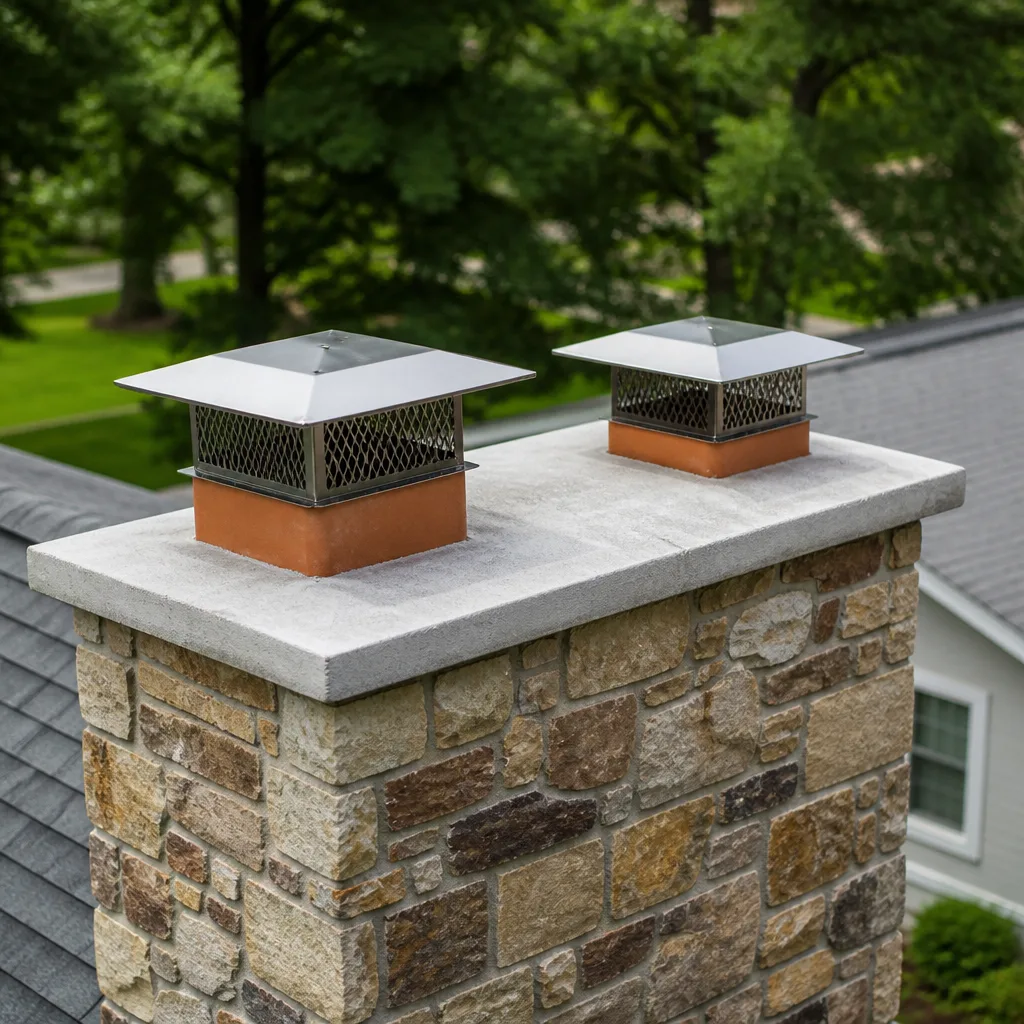
- Keep a cap on the flue. A proper cap keeps rain, birds, and debris out of the flue. Water is the leading cause of chimney damage, and a cap is one of the cheapest protections against it.
- Keep the crown sealed. A sound crown moves water off the chimney instead of into it. Addressing a small crack early is preventative work; rebuilding a rotted crown is restoration.
- Burn dry wood. Seasoned wood produces less creosote than wet wood. In Redmond’s damp climate, stacking wood under cover and giving it real drying time pays off in a cleaner flue and a cheaper sweep.
- Sweep on a schedule. An annual sweep keeps the flue in the easy-to-clean range and keeps a camera on the liner so small defects never become full relining jobs.
This prevention logic is part of why we run dedicated cap and crown services rather than treating them as afterthoughts. Catching the water problem at the top is the difference between a small fix and a structural one. From cap to firebox, every part of your chimney, handled.
Common Mistakes to Avoid
- Picking the lowest bid without reading the scope. Two quotes that differ on inspection level and materials aren’t the same job. Compare line items, not the bottom line, before you decide.
- Skipping the camera because the price looked lower. A visual check can miss a cracked liner. A Level 2 inspection costs more up front and less over time when it catches a defect early.
- Assuming a cheap sweep is a full-service visit. Brush-only companies often can’t address creosote beyond Level 1 or handle liner resurfacing. Ask what happens if the flue needs more than a brush.
- Burning wet or unseasoned wood to save a little. Wet wood produces more creosote, which pushes your sweep into a higher cost tier. In Redmond’s damp climate, drying time matters.
- Waiting for a smell or a leak before calling. By the time a problem announces itself, you may be facing a repair instead of a cleaning. Call on schedule, before the burning season, not after a symptom.
- Ignoring the crown and cap until they fail. Water damage from a cracked crown is one of the most common and avoidable causes of expensive masonry work on Redmond homes.
- Accepting a lump verbal price. Without a written estimate itemized per job, you can’t compare bids or hold anyone to a scope. Insist on it in writing, and confirm it’s free.
When to Call a Professional
Some chimney issues clearly need a professional, and calling early keeps them small. If you smell a strong smoky odor inside the house when the fireplace isn’t running, that’s a reason to call. If you’ve had a chimney fire, even a small one, a camera inspection is the right next step, not a wait-and-see. If you’ve noticed water staining near the chimney, a cracked crown, or a loose cap, those are water-intrusion problems that get worse with rain. If your flue hasn’t been swept in more than a couple of seasons, book a sweep and a camera look before you burn again. And if you’re selling or buying a home, a Level 2 inspection documents the chimney’s condition for everyone involved. Redmond Chimney Sweep offers free estimates in Redmond. Call (877) 492-1807 and we’ll walk you through what your chimney actually needs.
Frequently Asked Questions
A standard chimney cleaning in Redmond starts at a base tier and rises with creosote level, flue length, appliance type, and whether an inspection or repair is included. The final price comes from a written estimate for your specific chimney, and that estimate is free. Call (877) 492-1807 for an exact quote and we’ll show you the scope in writing.
A new liner is only necessary when the existing one is cracked or deteriorated enough to vent unsafely, and you should be able to see the evidence yourself on a camera report. We don’t recommend relining without showing you the defect. If your flue needs restoration rather than straight replacement, the HeatShield resurfacing system gives some homeowners a repair option short of a full reline, and we’ll tell you when the damage is minor enough to safely wait. Call (877) 492-1807 to book a camera inspection and see for yourself.
An annual sweep keeps most Redmond chimneys in the easy-to-clean range and puts a camera on the liner once a year so defects are caught early. Homes that burn frequently, damper the fire to stretch it, or burn wet wood may need more frequent attention. Ask for a sweep before the burning season, and call (877) 492-1807 to schedule.
Skipping a year lets creosote build up, and more buildup means a longer, costlier cleaning and a higher risk of a fire hazard in the flue. It also means a year without an inspection, so a cracked crown or liner can go unseen and turn into a bigger repair. Call (877) 492-1807 before the next burning season and we’ll get your chimney back on schedule.
A Level 2 inspection with a camera is the standard next step after a chimney fire, after a major storm, and during a real estate transaction. In those cases a visual check isn’t enough to verify the flue’s condition. Call (877) 492-1807 and we’ll run the camera and give you a photo report you can review.
Only if both quotes cover the same scope, meaning the same inspection level and the same itemized materials and repairs. A low bid is often a brush-only sweep with everything else sold separately, so read the line items before comparing totals. Call (877) 492-1807 for a free written estimate you can weigh against any other bid.
The Bottom Line
The price of a chimney cleaning in Redmond is driven by creosote level, flue length, appliance type, and what the inspection finds, not by a company’s markup. A low bid and a high bid can both be honest when they cover different scopes. Read every quote line by line, insist on a camera report before you accept any repair recommendation, and treat the annual sweep as the cheapest part of owning a chimney. Prevention at the top, on the crown and cap, is where the biggest savings live. One company for the entire chimney system: sweep, inspect, repair, restore. We work with the brands professionals trust, and we’ll tell you plainly when a repair can wait.
Call (877) 492-1807 for a free estimate. We answer 24/7. Fast dispatch from 7am to 7pm, Sunday through Friday.
Written by the team at Redmond Chimney Sweep.