
Last updated November 25, 2026
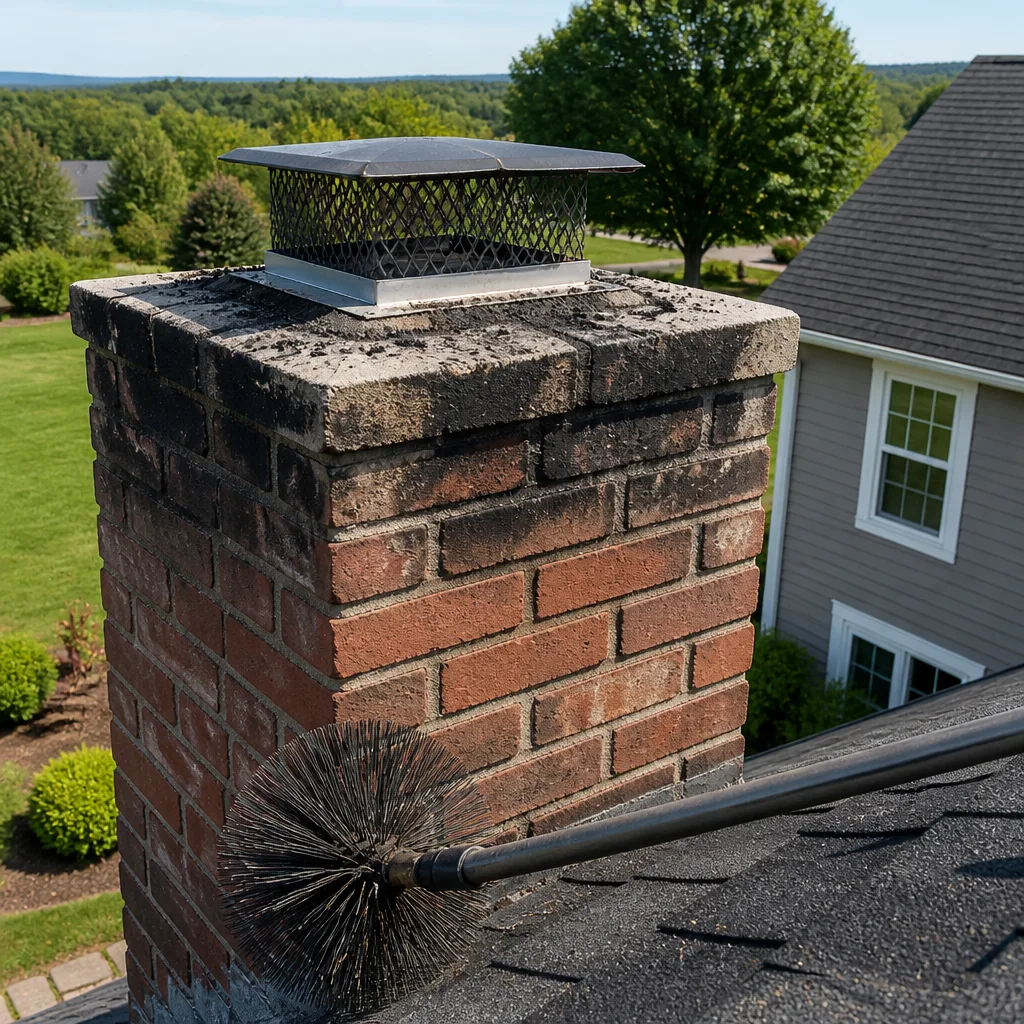 Sweep & inspection
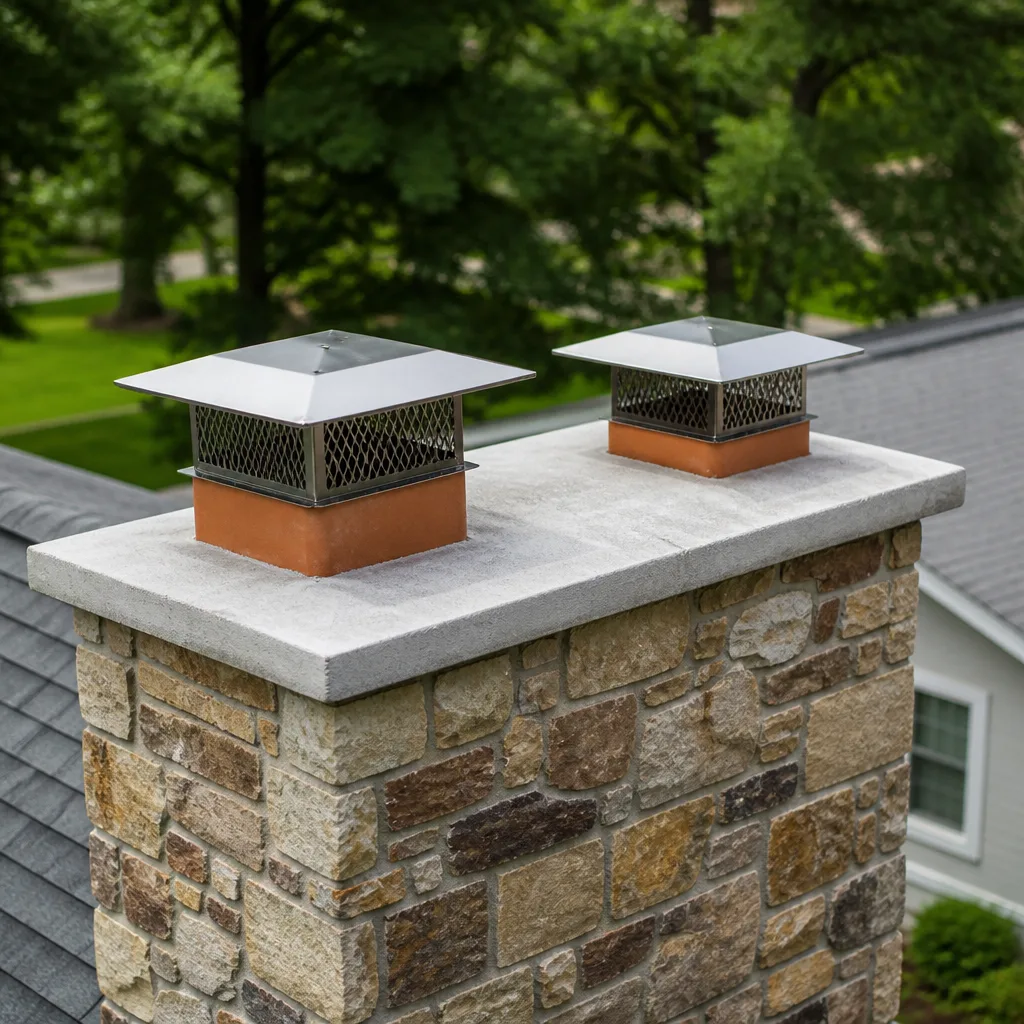 Caps & crowns
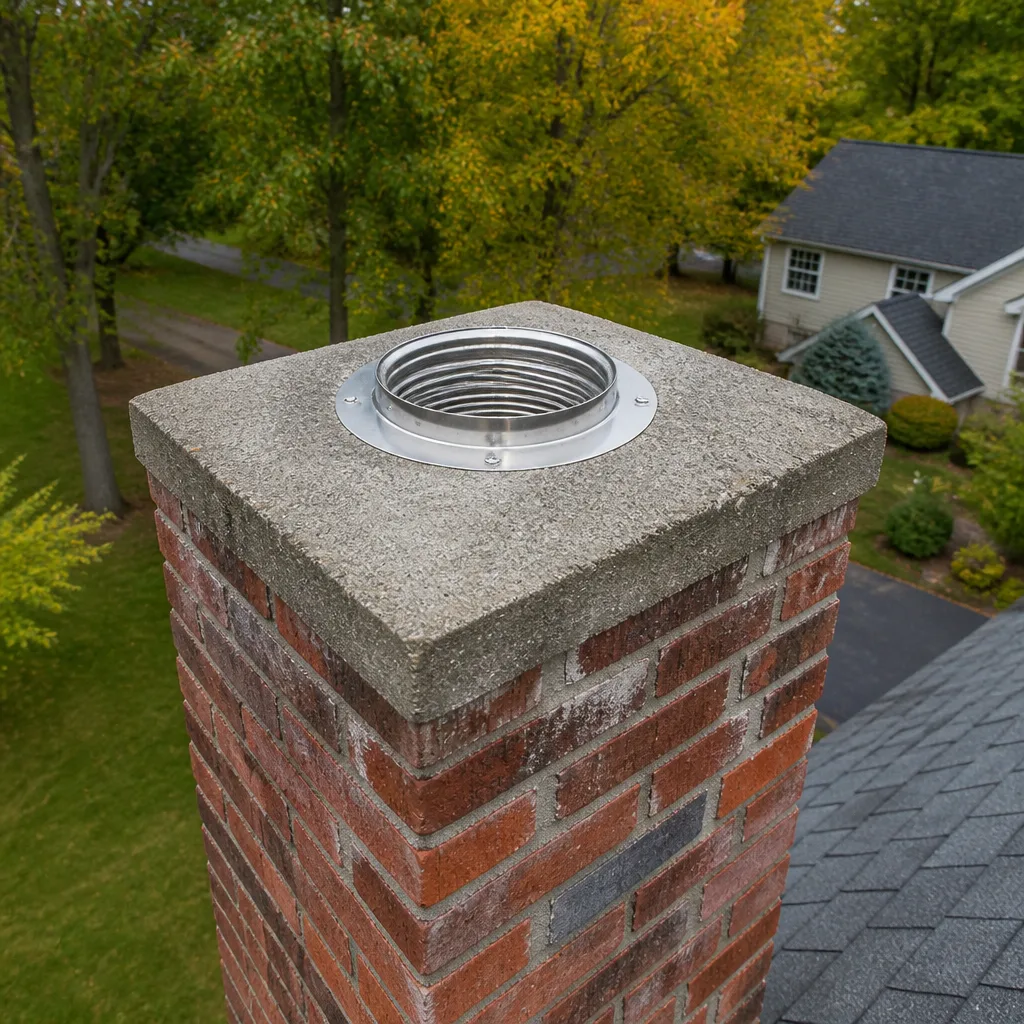 Flue relining
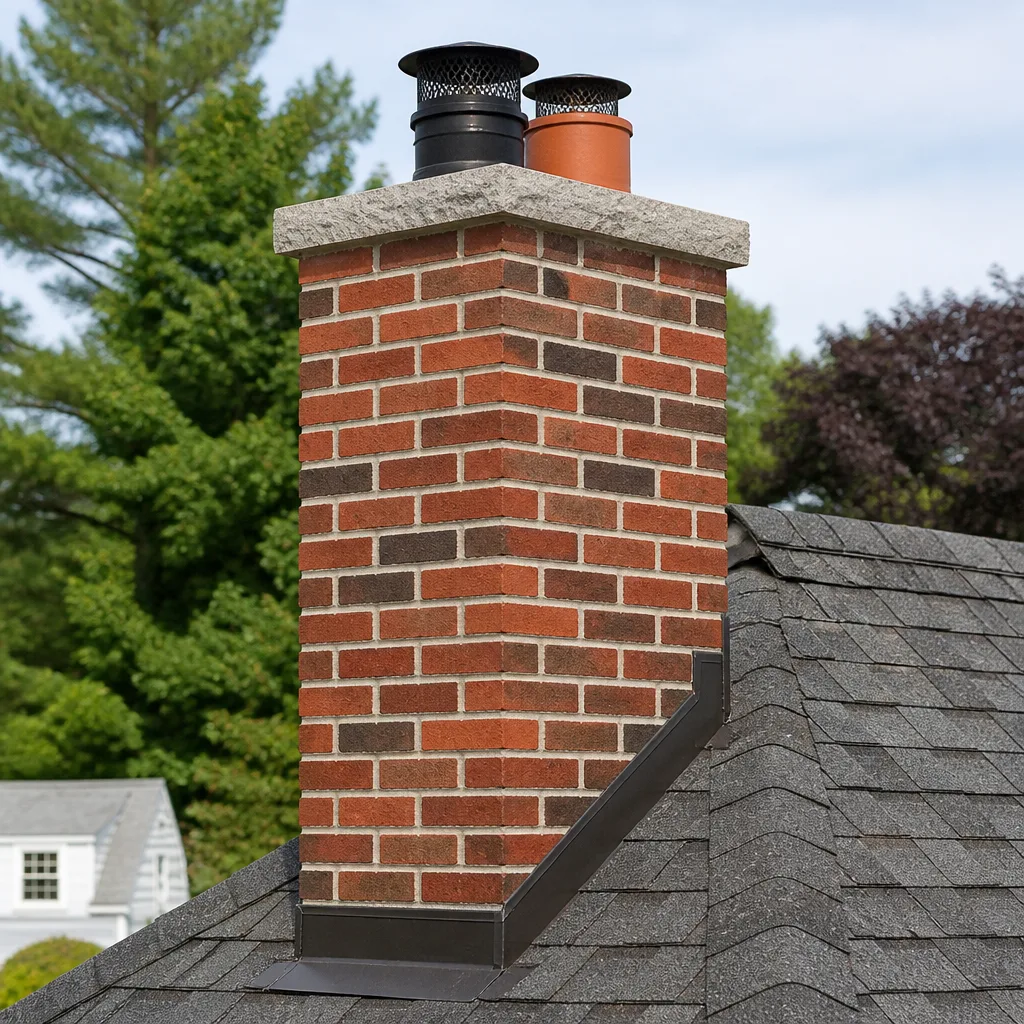 Masonry repair
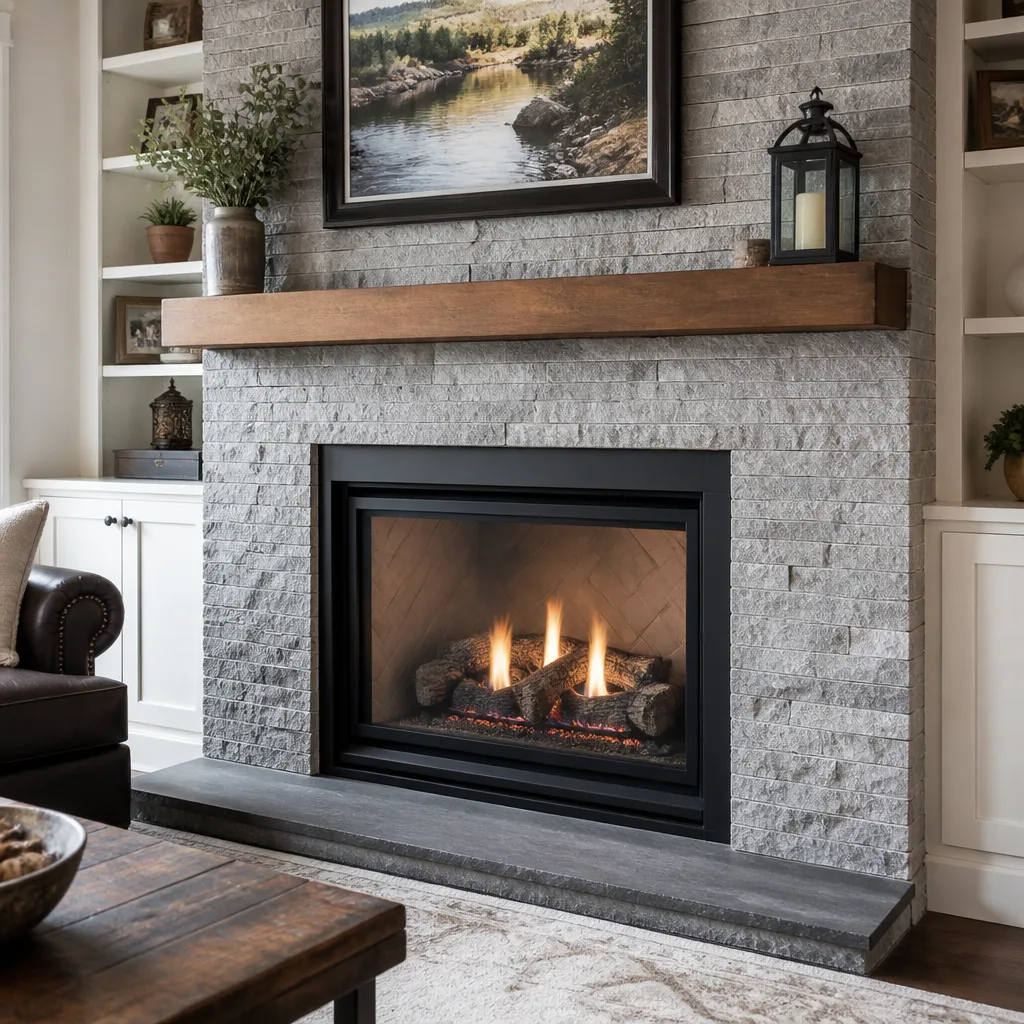 Gas fireplace service
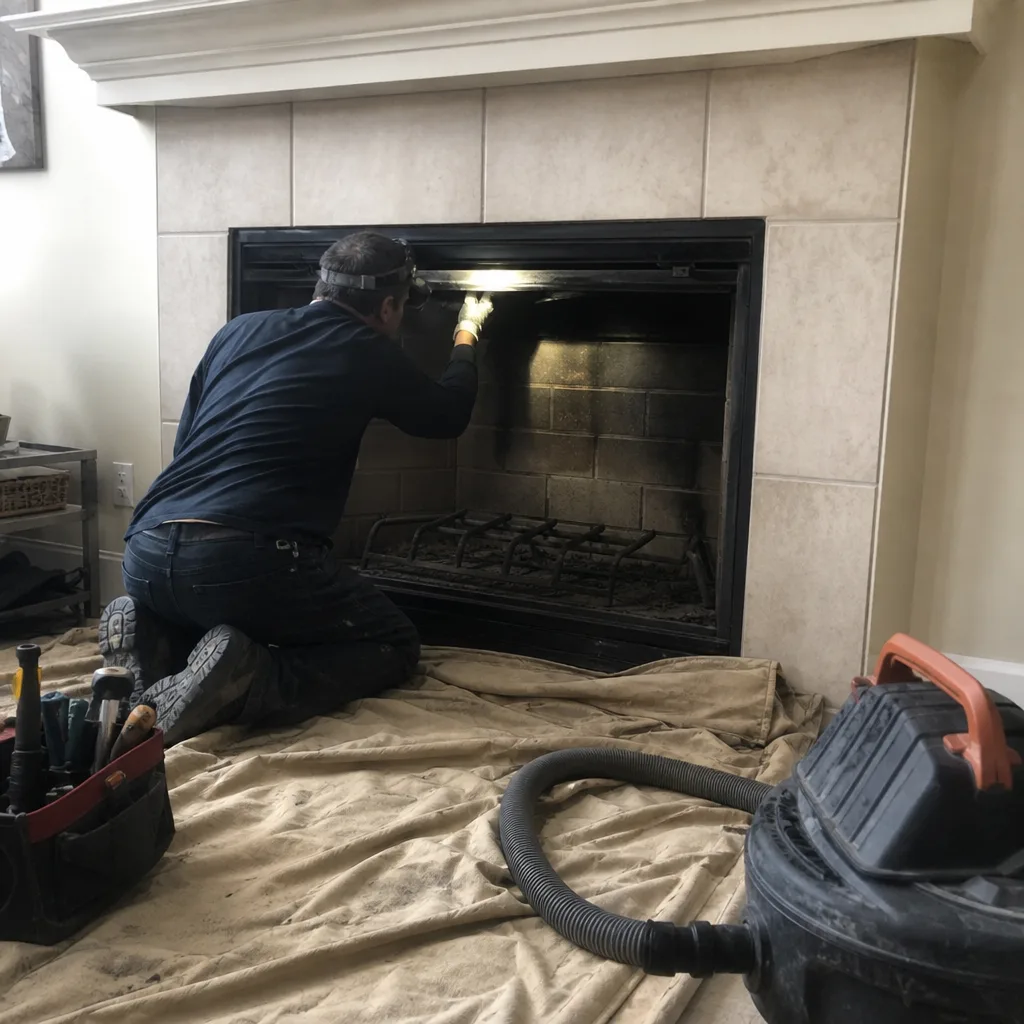
Level 1 sweep and inspection to the NFPA 211 annual standard - flue, crown, cap, and flashing checked and photographed
Chimney sweep logs do not sweep chimneys. They loosen some creosote - which then falls where a brush and vacuum still have to collect it.
Chimney Cleaning Warning Signs: A Redmond Homeowner’s Reference Guide
Most chimney warning sign articles start with the obvious one: smoke rolling into the living room. By the time that happens, you already have a problem. The signs worth knowing are the quiet ones, the ones that show up months before a fire hazard or a structural failure. A white crust on the outside brick. A faint metallic smell in July. A little rust on the firebox paint that wasn’t there last fall. This guide organizes those signs by where you actually see them in the house, so you can walk outside, walk into the room, and match what you’re finding against what it usually means. We’ll tell you which signs mean “book a sweep soon” and which mean “don’t light another fire until someone inspects this.”
Quick Answer
The most reliable early chimney warning signs in Redmond are white efflorescence or black staining on the exterior masonry, a cracked or spalling crown, rust or dark streaking around the firebox, a damper that no longer seals, and persistent smoky or creosote smells in the living space even when the fireplace is cold. Signs you can schedule a sweep for include light odor, a thin glaze of soot, and reduced draft. Signs that mean stop using the fireplace until it’s inspected include visible cracked flue tiles, rusted-through flue components, crumbling mortar joints, and smoke that backs into the room after every fire.
Styles & brands we work with
- Sweep & inspection
- Caps & crowns
- Flue relining
- Masonry repair
- Gas fireplace service
Table of Contents
- Why Chimney Warning Signs Show Up Before the Smoke Does
- Reading the Outside: Crown, Cap, Flashing, and Masonry
- Inside the Fireplace: Firebox, Smoke Chamber, and Damper
- Signs in the Living Space: Odors, Draft, and Smoke
- Pacific Northwest Signs: Moss, Algae, and Condensing Acid Stains
- “Schedule a Sweep” vs. “Don’t Light It Until It’s Inspected”
- Signs That Show Up After a Storm, Power Outage, or Earthquake
- How to Describe What You’re Seeing When You Call
Why Chimney Warning Signs Show Up Before the Smoke Does
A chimney is a system that fails in stages. The fire, the flue, the cap, the crown, the flashing, and the masonry around it all fail at different rates. What that means practically is that long before you get smoke in the room or a strong smell in the house, something else has usually been degrading quietly for a season or two. Water gets in through a failed crown and freezes in a hairline crack. Creosote builds a quarter-inch at a time and then glazes over. A flue tile chips and the damage stays hidden behind a rain cap for months.
This is why we walk a Redmond home in a specific order on inspection: kitchen window view of the chimney top, ground-level look at the masonry, then the interior at the firebox. Each vantage catches different failures, and the signs stack. A rusted damper plus efflorescence on the exterior brick plus a faint odor on a damp day adds up to a story about water intrusion that no single sign would confirm on its own.
What this guide is built to do
The signs in this guide are organized the way a homeowner actually experiences them, room by room, elevation by elevation. A list of “signs you need a sweep” is easy to write and easy to ignore. A reference organized by where you see the sign is something you can actually use on a Saturday afternoon when something looks off.
- Exterior signs tell you about water and masonry health
- Interior signs tell you about combustion and system integrity
- Living space signs tell you about airflow, draft, and how the whole system is performing under load
If you want the direct route to a routine inspection, that’s exactly what we do as chimney sweep specialists in Redmond throughout the year.
Reading the Outside: Crown, Cap, Flashing, and Masonry
Most of the repair work that comes out of a Redmond inspection starts outdoors, not in the firebox. Water is the leading cause of chimney damage in this climate, and the crown, cap, and flashing are the three parts that decide whether water gets in or stays out. A 10-minute walk around the exterior of your chimney at ground level and one look at the roofline can catch four of the most common warning signs before they turn expensive.
Signs to look for on the exterior
- White, chalky staining on the brick. That’s efflorescence, and it means water is moving through the masonry and carrying dissolved salts to the surface. Efflorescence alone isn’t structural, but it’s a reliable indicator that moisture is getting in somewhere. Fix the source and it stops. Ignore it and the freeze-thaw cycle starts cracking brick faces.
- Black or dark staining on the exterior brick. Usually from creosote that has wicked through the flue or from chronic smoke leakage through cracked flue tiles.
- Visible cracks in the crown. The crown is the concrete slab on top of the chimney. Any crack wider than a hairline is a water entry point.
- A missing or damaged cap. A cap keeps rain, snow, birds, and squirrels out of the flue. If yours is missing or bent, everything downstream is exposed.
- Rust or staining around the flashing. Flashing is the metal that seals the joint between the chimney and the roof. Failed flashing shows as rust streaks on the chimney face or dark stains on the roof deck.
- Spalling brick or crumbling mortar joints. Brick faces flaking off or mortar that recedes when you press a screwdriver into it. That’s a structural warning, not cosmetic.
- Moss or algae on the crown or upper masonry. Covered in more detail later, because in Redmond this sign has its own meaning.
What exterior signs usually mean for the repair scope
Cracked crowns and failed flashing are jobs we handle as dedicated chimney cap & crown work, in part because those two components account for the largest share of water intrusion we see. A cap is a small job done once and forgotten. A crown rebuild is more involved but catches the problem at the top of the system, which is where water usually enters. Neither is expensive compared to what a rotted-out flue liner or interior masonry repair costs once water has had a couple of seasons to work.
Inside the Fireplace: Firebox, Smoke Chamber, and Damper
Interior signs are the ones homeowners notice last because the firebox is only interesting when there’s a fire in it. Spend two minutes with a flashlight in the firebox when the fireplace is cold and you’ll see things a Saturday fire never shows you: hairline cracks in the brickwork, missing pieces of mortar, a damper that doesn’t seat, dark staining on the smoke shelf that speaks to backdrafting. These are early warning signs the industry pays attention to on inspection for good reason.
Signs inside the firebox and damper
- Cracked firebox brick or missing mortar. Small hairline cracks in the firebox brickwork are common and often repairable. Cracks wide enough to see the refractory behind, or missing chunks of mortar, mean heat is reaching the masonry the firebox is built to protect.
- A damper that won’t open fully or won’t close flush. A damper stuck open wastes heat and lets cold Redmond air back down the flue. A damper stuck shut means you can’t safely light a fire at all.
- Rust on the damper, firebox, or firebox grate. Metal rusts when it’s exposed to moisture. Chrome-polished dampers and cast-iron grates shouldn’t rust in a dry firebox.
- Dark or oily staining on the smoke chamber and smoke shelf. That’s creosote glaze, and it’s a fire risk if it’s thick enough. It also tells you the flue isn’t drafting cleanly.
- White, flaky buildup on the firebox brick. Sometimes efflorescence from water intrusion, sometimes a sign of acidic condensate eating the mortar joints.
- Deteriorating refractory panels. The firebrick panels inside a prefab firebox are wear items. When they crack through or crumble, the firebox is no longer protecting the structure behind it.
What interior signs usually mean
Cracked firebrick and a badly seating damper are the two interior signs most worth acting on. Damper and firebox damage are the reasons we treat fireplace repair as a piece of the same system as the chimney, not a separate trade. A fireplace we repair is one we’ve already inspected up the flue, and we know what the firebox damage is doing to the smoke chamber above it.
The firebox is a combustion zone. We repair it. We don’t hand you a trowel and a YouTube link. If a firebox panel is cracked through, the correct next step is a professional assessment, not a weekend patch.
Signs in the Living Space: Odors, Draft, and Smoke
The living-space signs are the ones that get homeowners to pick up the phone, and often the ones that most benefit from a careful phone triage. A smoky smell in July, a fire that smokes into the room when you first light it, a cold draft rolling down the chimney on a windy night. Some of these are sweep-and-you’re-done. Some point to a liner problem. Distinguishing them starts with how the sign behaves under different conditions.
Which living-space sign goes with which underlying issue
- Smoky or creosote smell when the fireplace is cold. Usually from creosote residue in the flue or a downdraft pushed by pressure differences between the house and outside. A sweep often resolves the odor side of it. If it comes back within weeks, there’s likely a pressure or cap issue.
- Smoke spilling into the room when you light the fire. Can be a cold flue that hasn’t warmed up yet. If it happens every time, it’s a draft failure: an undersized flue, a blockage, a smoke chamber problem, or a house that’s too tight for the flue to draw cleanly.
- Smoke that only backs up on windy days. Usually a cap or a flue-termination issue. A properly sized and placed cap fixes the majority of these.
- A cold draft coming down the chimney when no fire is lit. Your damper may not be sealing. In older Redmond homes, an unsealed damper is one of the biggest heat-loss sources in the house.
- A persistent burning smell when the heat is on but the fireplace is off. Often a pressure imbalance pulling air down through the chimney. Worth a professional look before assuming.
- Visible soot or dark smudging around the fireplace face or the nearby wall. A reliable early indicator of smoke escaping the firebox and smoke chamber.
Living-space signs are worth a call even if you’re not sure
In our experience, homeowners talk themselves out of calling because the symptom seems minor or doesn’t happen every fire. A quick call with an accurate description is one of the cheapest diagnostics available, and it saves a guess. If the sign clearly belongs to the “stop using the fireplace” column, we’d rather hear from you than have you light another fire to test it.
Pacific Northwest Signs: Moss, Algae, and Condensing Acid Stains
Redmond sits in a climate that gives chimney warning signs a flavor you won’t find in most national chimney guides. Our winters are long, wet, and mild. Masonry doesn’t dry out on a fast dry-cold cycle the way it does in the interior states. Instead, it stays damp for months, which changes the way damage develops and the specific visual cues you should watch for.
Signs specific to Redmond’s climate
- Green algae or moss on the crown and upper masonry. Algae and moss grow where masonry stays wet long enough for a film of moisture to persist. On a crown, that usually means the crown has stopped shedding water. Once the crown fails, water penetrates the flue system from the top. This is one of the most reliable early signs of a failing crown in Redmond, and it’s easy to miss from the ground.
- Rust-colored staining around the firebox and damper. In a wet climate, the byproducts of combustion condense on cool metal and form acidic moisture that eats at mild steel. If you see rust-colored streaks or orange staining on the firebox paint or damper frame, that’s a sign of chronic acidic condensation, not just a damp winter.
- A thin, whitish film on the exterior masonry after a wet stretch. Efflorescence, as covered earlier. In Redmond it can show up months after a single water intrusion event and then reappear every wet season until the source is fixed.
- Spalling mortar joints that only show up in spring. A freeze-thaw cycle on saturated masonry. Damage that appeared mild in October often reads as visible spalling by March.
- Persistent musty smell in the firebox, even in summer. Classic sign that moisture is trapped in the chimney system during the dry season. Sweep, inspect, and often a crown or cap repair resolves it.
Why this climate rewards early detection
Chimneys fail slower in Redmond than they do in a hard-freeze climate, which is good news for the pocketbook and bad news for the calendar. Slow failures are easy to miss, and they let water intrusion sit in the masonry through a wet season. The moss-and-algae sign on the crown is the one we’d most like every Redmond homeowner to know how to spot. If you can see it from the ground, the crown has been failing for a while.
“Schedule a Sweep” vs. “Don’t Light It Until It’s Inspected”
Not every warning sign means the same thing. Some signs are routine maintenance triggers: book a sweep in the next few weeks and you’re fine. Others are stop-use signals: don’t light another fire until a professional has looked at the system. Confusing the two leads to either unnecessary panic or a fire nobody should have lit. Here’s the working line we use.
Signs that mean schedule a sweep (not urgent)
- Light creosote smell in the firebox or living space when the fireplace is cold
- Moderate soot buildup visible on the firebox walls
- Slightly sticky residue inside the flue visible from the firebox
- Reduced but not failed draft on cold starts
- Visible moss or algae on the crown without spalling
- Thin efflorescence film after a wet stretch
- Soot smudges around the fireplace face
Signs that mean stop using the fireplace until it’s inspected
- A crack in a flue tile wide enough to see through or reach with a fingernail
- Visible rust-through on the damper, flue components, or firebox metal
- Crumbling mortar joints on the exterior, especially where the crown meets the brick
- Firebox panels cracked through, or missing chunks of refractory
- A damper you cannot fully open
- Smoke that backs into the room every time you light a fire, not just on first start
- Any obvious structural shift or gap at the chimney’s roofline
Why inspection is the deciding step
The stop-use side of that list includes problems you cannot evaluate from a living room chair. A cracked flue tile may or may not have compromised the liner. A rusted damper may be cosmetic or may be the tip of a wet flue. Our inspections include a camera run up the flue and a photo report, so you’re looking at what we’re looking at. Our technicians have up to 12 years of experience, and the camera doesn’t care about experience. What the camera shows, they diagnose.
Signs That Show Up After a Storm, Power Outage, or Earthquake
The Pacific Northwest gets windstorms that topple trees, and earthquakes that move masonry without you feeling the tremor. A chimney that looked fine before a windstorm can have a shifted crown, a loosened cap, or a hairline crack in the tile by the next morning. The signs after a storm, an outage, or an earthquake deserve a specific walk-around before you light the next fire.
Storm, outage, and earthquake checklist
- Walk the exterior. Look for fallen limbs on the roof, new cracks in the crown, a cap that’s clearly off-center, and any mortar grit in the soil or on the roof at the base of the chimney.
- Look at the roofline from a safe distance. A chimney that leans, or a flashing joint that has visibly pulled away, is a stop-use sign.
- Check the firebox and damper. After a storm, dust and debris can drop down an uncapped flue. After an earthquake, a damper you couldn’t open before may now bind or the firebox panels may be cracked.
- Smell the firebox. A sudden smoky smell that wasn’t there two days ago usually means the flue is blocked by debris, birds, or a dislodged tile.
- Resist the urge to test with a fire. Not every post-storm sign demands a full inspection, but a lean, a visible crown shift, or an obvious crack does.
- After a power outage, check for a cold-flue issue. Long outages change the pressure balance in a house, and returning draft problems are common the first fire back.
Why “wait until next season” isn’t the right call after a storm
Storm damage that waits until fall gets a wet season to work itself deeper into the masonry. A crown crack that was a quick repair in November can be a rebuild by April in Redmond. When a sign appears after a storm or an earthquake, get it looked at during the same season. In the language of the trade: catch it in the inspection, fix it before it fails.
How to Describe What You’re Seeing When You Call
Accurate vocabulary on the phone saves you a trip. The more precisely you can describe a warning sign, the better a technician can triage it before anyone drives out. You don’t need to know chimney construction. You need to know the words for the parts so you can point at the right one. Here are the terms we ask for, with what they mean.
The exact words that help a technician triage
- “White chalky staining on the brick” means efflorescence from water moving through masonry
- “Black streaks or dark staining outside” usually means creosote wicking through or smoke leaking from a cracked tile
- “Rust streaks or orange staining around the firebox” means acid condensation has been eating metal
- “Cracked firebox brick” or “cracked refractory panel” distinguishes a firebox issue from a flue issue
- “Damper won’t seat” is different from “damper won’t open”
- “Smoke spills into the room when I light the fire” is different from “smoke comes back into the room during the fire”
- “Moss on the crown” vs. “spalling brick” vs. “crumbly mortar joints” tells us three different things about how far the damage has gone
- “Cap is missing” or “cap is bent” is a fast yes/no on rain and animal protection
- “Cold draft when the fireplace is off” points at the damper or a pressure issue
A short script that actually works
“Hi, I’m in Redmond, and here’s what I’m seeing. The exterior of my chimney has white staining about two feet down from the top, the crown has moss on one corner, and in the firebox there’s rust-colored staining on the damper frame. The fireplace is a wood-burning insert, last swept in the fall, and I noticed the white staining after the last stretch of rain. Should I stop using it until you can come out?”
That call gets a trained answer, not a guess. If you’re not sure which of those signs is most important, describe the two that concern you most and let the technician ask the clarifying questions. We answer 24/7, fast dispatch from 7am to 7pm, Sunday through Friday.
Common Mistakes to Avoid
- Treating efflorescence as a cosmetic issue. That white staining is the visible symptom of water moving through masonry, and it doesn’t fix itself. Left alone, it becomes spalling brick by the next wet season.
- Ignoring moss on the crown because “it’s just a plant.” In Redmond’s damp climate, moss on the crown almost always means the crown has stopped shedding water, which is the top entry point for the rest of the chimney’s problems.
- Painting over rust around the firebox. Fresh paint on rust doesn’t stop the acidic condensation causing it. It hides the sign and lets the corrosion continue behind a clean-looking surface.
- Assuming a drafty feel is just old-house character. A cold chimney draft in winter is often a damper or cap issue eating your heating bill. Worth a look rather than a shrug.
- Burning a test fire to see if a sign is “maybe nothing.” If a sign already reads as stop-use on this guide’s list, a test fire can push a cracked flue over the edge. Get it inspected before you light it.
- Calling a general handyman for a chimney repair. Chimney diagnosis and repair is a specific trade with specific product lines. A generalist with a brush will clean the flue. That’s not the same as diagnosing what’s behind the crack.
- Waiting until the first cold weekend to book a sweep. Every Redmond chimney has one season a year when it needs attention, and the calendar fills. Book in late summer or early fall so you’re on the schedule before the first cold snap, not competing for it.
See the difference
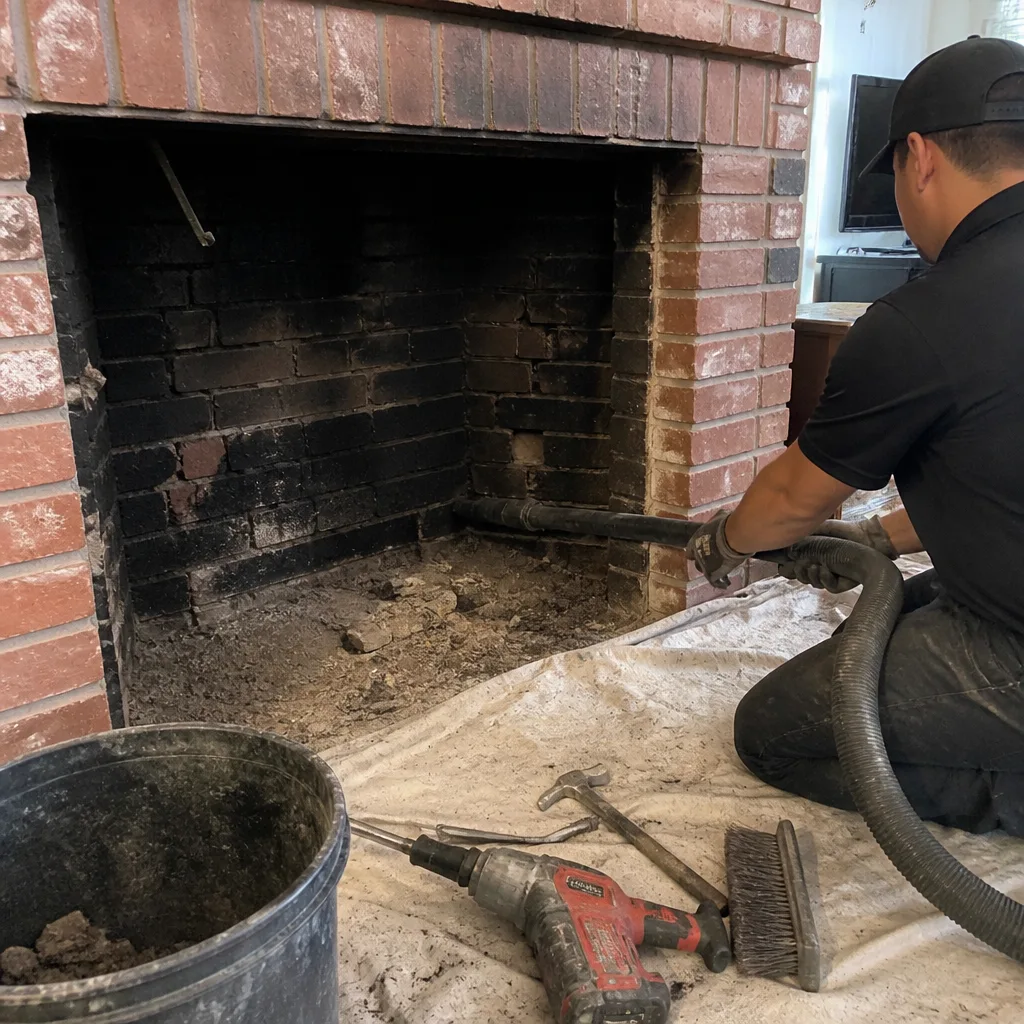 Before
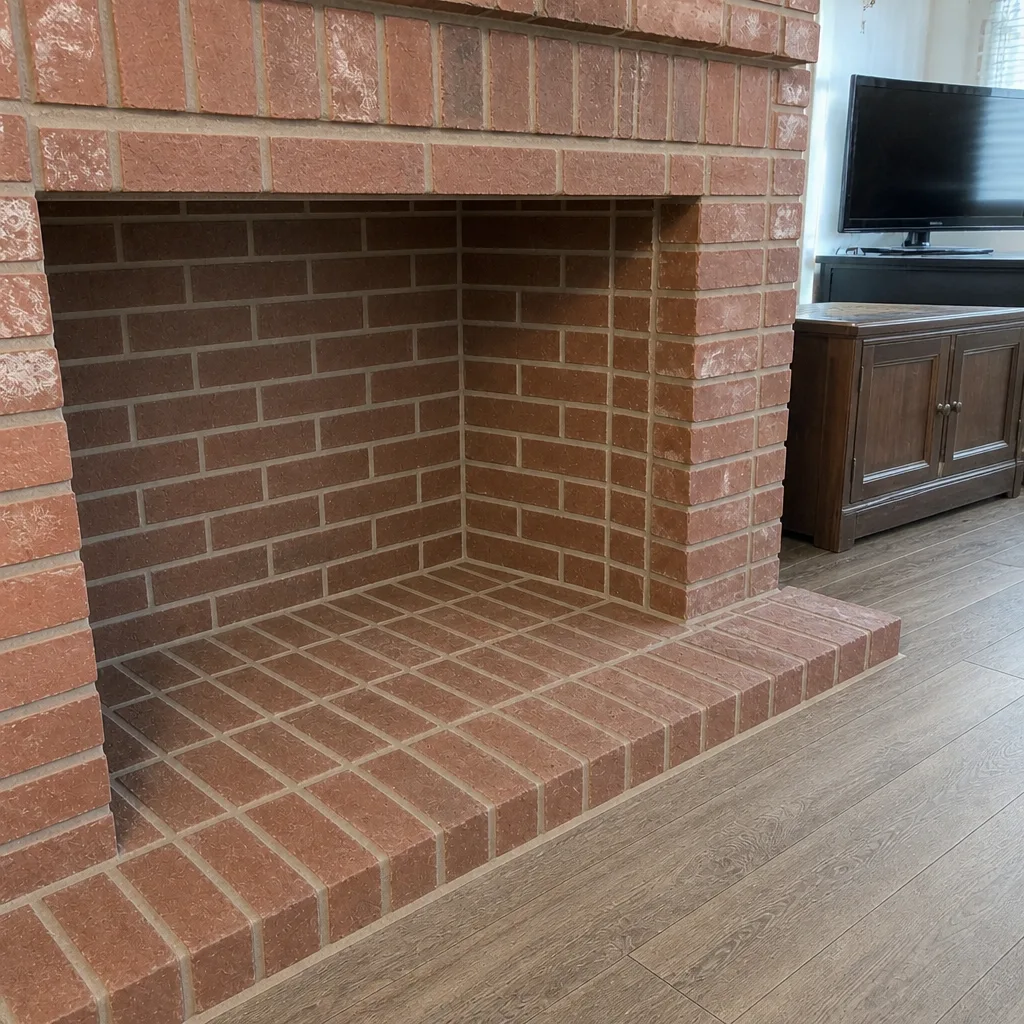 After
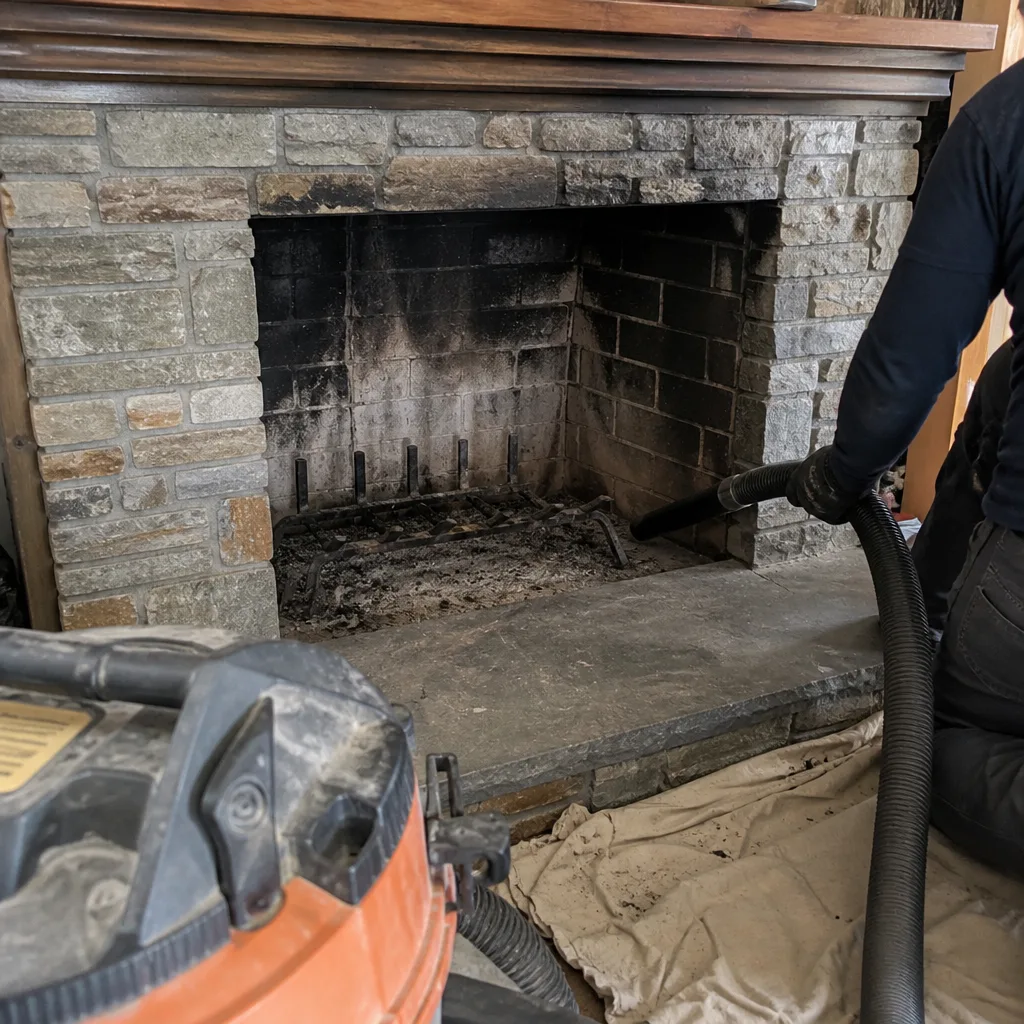 Before
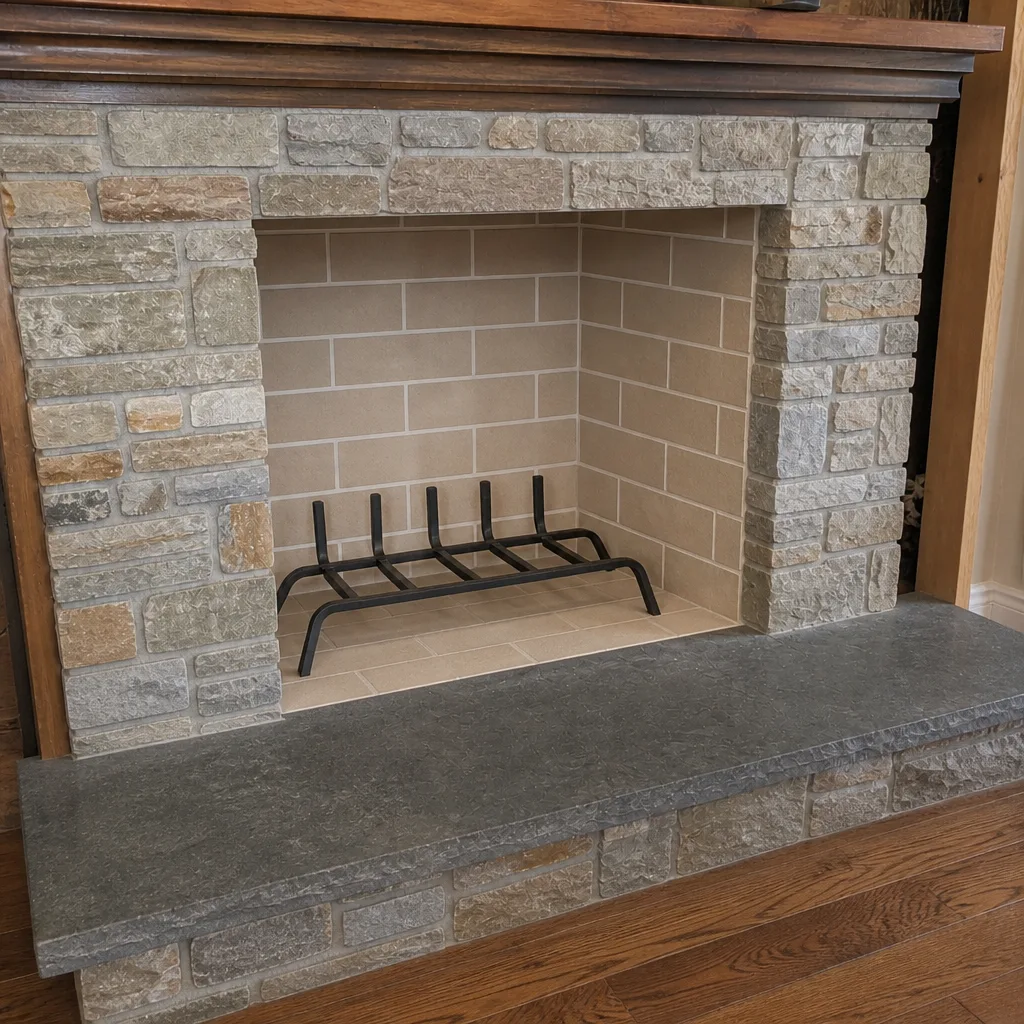 After
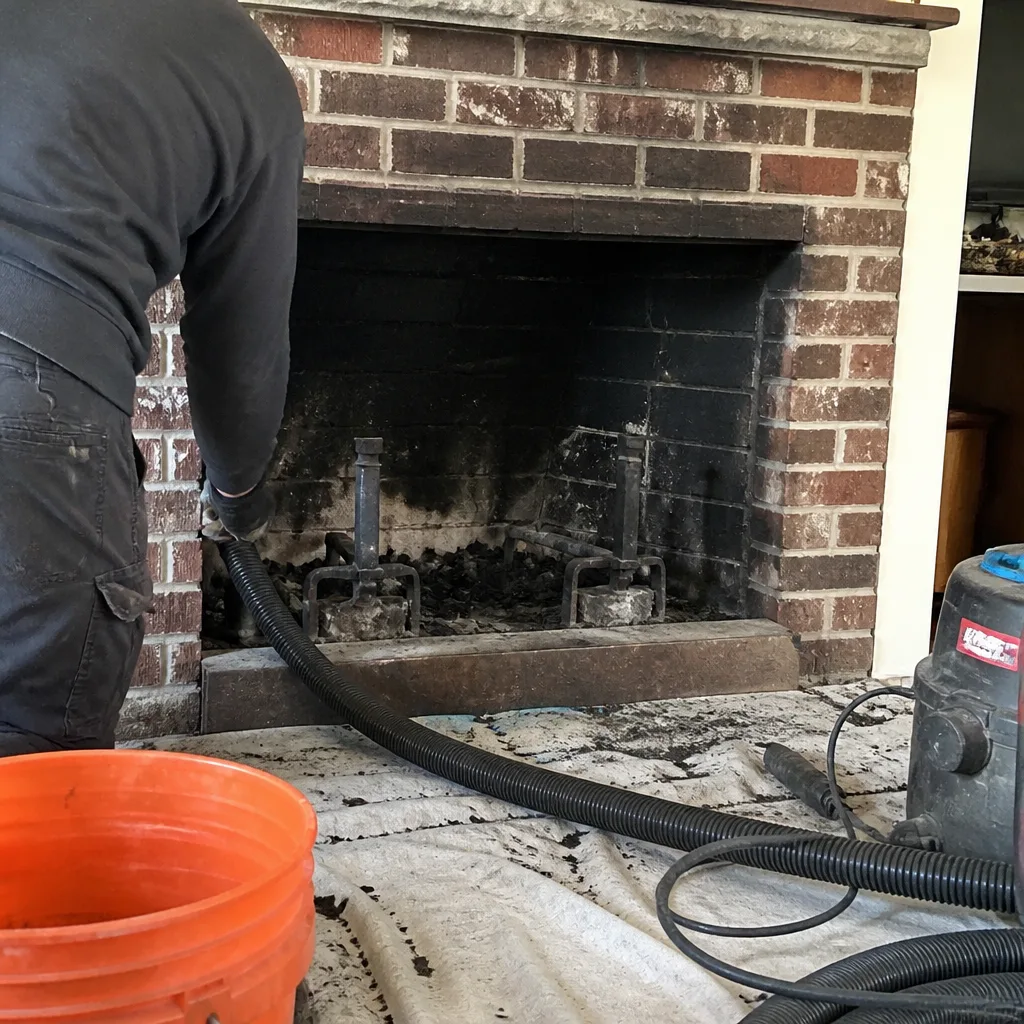 Before
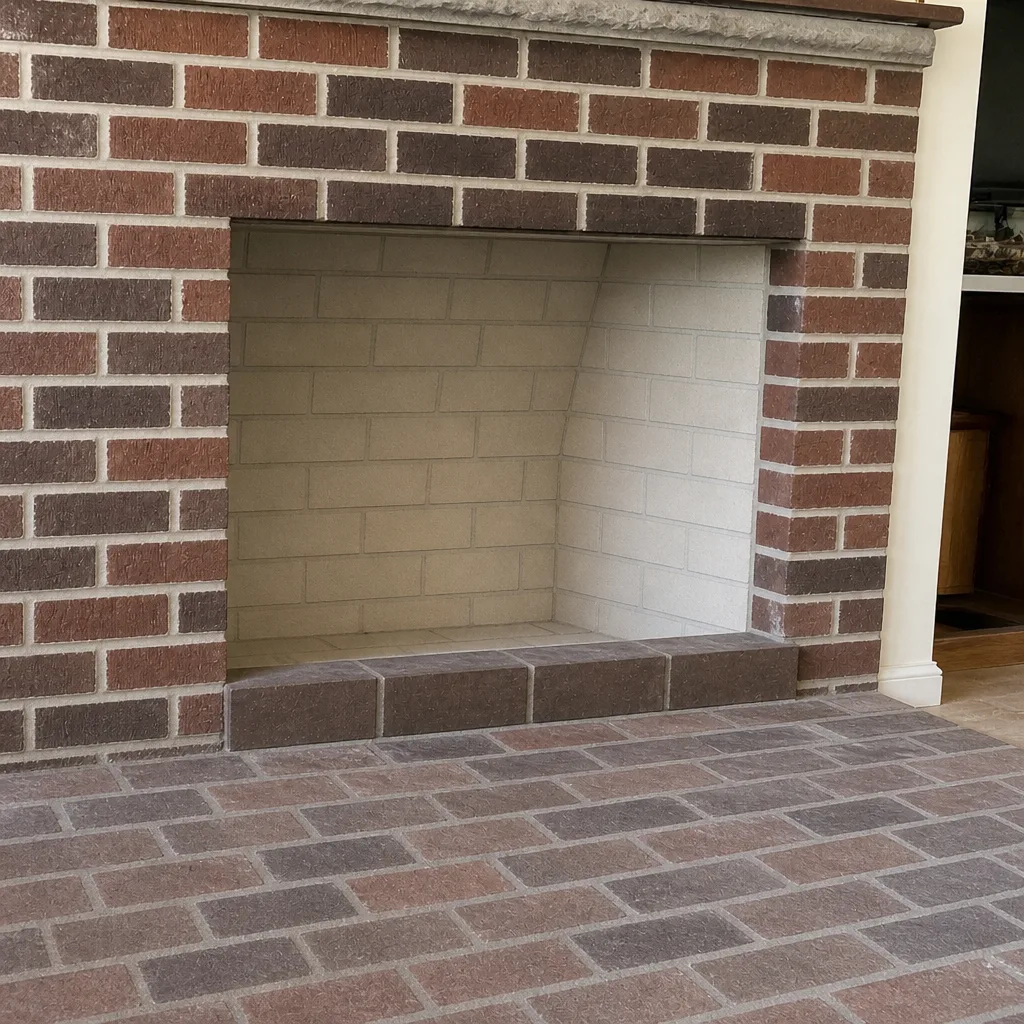 After
When to Call a Professional
Call a professional if you’ve seen any sign from the stop-use list: a cracked or rusted-through flue component, crumbling exterior mortar joints, a firebox panel cracked through, smoke backing into the room every fire, or a chimney that shifted after a storm. Call us if you’re seeing the early warning signs and want a routine inspection to confirm what your eyes are telling you.
Redmond Chimney Sweep offers free estimates in Redmond. Call (877) 492-1807. Our technicians have up to 12 years of experience, and our work as a full chimney specialist runs from sweeping and inspection to cap, crown, and fireplace repair. When it’s time for the deeper work, we work with professional product lines like HeatShield for liner restoration, DuraFlex for relining, and Olympia Chimney for liner and cap components, so the repair matches the diagnosis. One company for the entire chimney system: sweep, inspect, repair, restore.
Frequently Asked Questions
The white, chalky staining called efflorescence is usually the earliest visible sign. It means water is moving through the masonry and carrying dissolved salts to the surface, which points to water intrusion somewhere in the crown, cap, or flashing. If you see it, book an inspection rather than waiting for smoke or odor.
Once a year is the working standard for most wood-burning fireplaces and inserts in use. Homes in Redmond that burn through the winter usually benefit from a sweep just before the season starts. Heavier users, or anyone with a chimney insert, may need inspection sooner. Call (877) 492-1807 and we’ll talk it through based on how you actually burn.
Not necessarily, but you should schedule an inspection. Moss on the crown means the crown is holding moisture, which is a warning that water may be reaching the flue from above. It’s a “schedule a sweep soon” sign, not an immediate stop-use sign, unless you’re also seeing spalling brick, cracked mortar joints, or rust inside the firebox.
Rust on the firebox or damper frame usually means acidic condensation has been eating mild steel over time. In Redmond’s wet climate, that condensation is common and points to a flue that isn’t drafting cleanly. It’s worth an inspection before the corrosion reaches structural components.
A smoky or creosote smell with no fire burning usually means one of two things: residue in the flue from past burns, or a pressure issue pulling air down the chimney. Neither is an emergency on its own. Both are worth a professional look, because the underlying cause decides whether a sweep fixes it or something else needs attention.
Describe them in a single call so a technician can triage the whole set instead of one sign at a time. The specific words matter: “white staining on the exterior brick,” “cracked firebox brick,” “smoke spilling into the room when I light it.” We answer 24/7. Call (877) 492-1807 for a free estimate in Redmond.
The Bottom Line
Chimney problems rarely arrive without warning. They arrive with a slow warning: a white crust on the brick, a streak of black on the masonry, a mossy crown, a rusty damper, a smoky smell in July. The signs are organized by location because that’s where you find them. Ignore the quiet signs and you’re left with the loud ones. The good news is the fix is almost always cheaper and simpler when the signal is early. If you’ve read this far and one of the signs in this guide matches something in your home, that’s your cue. Call Redmond Chimney Sweep at (877) 492-1807 for a free estimate. We answer 24/7, with fast dispatch from 7am to 7pm, Sunday through Friday. One company for the entire chimney system: sweep, inspect, repair, restore.
Written by the team at Redmond Chimney Sweep.