
Last updated November 25, 2026
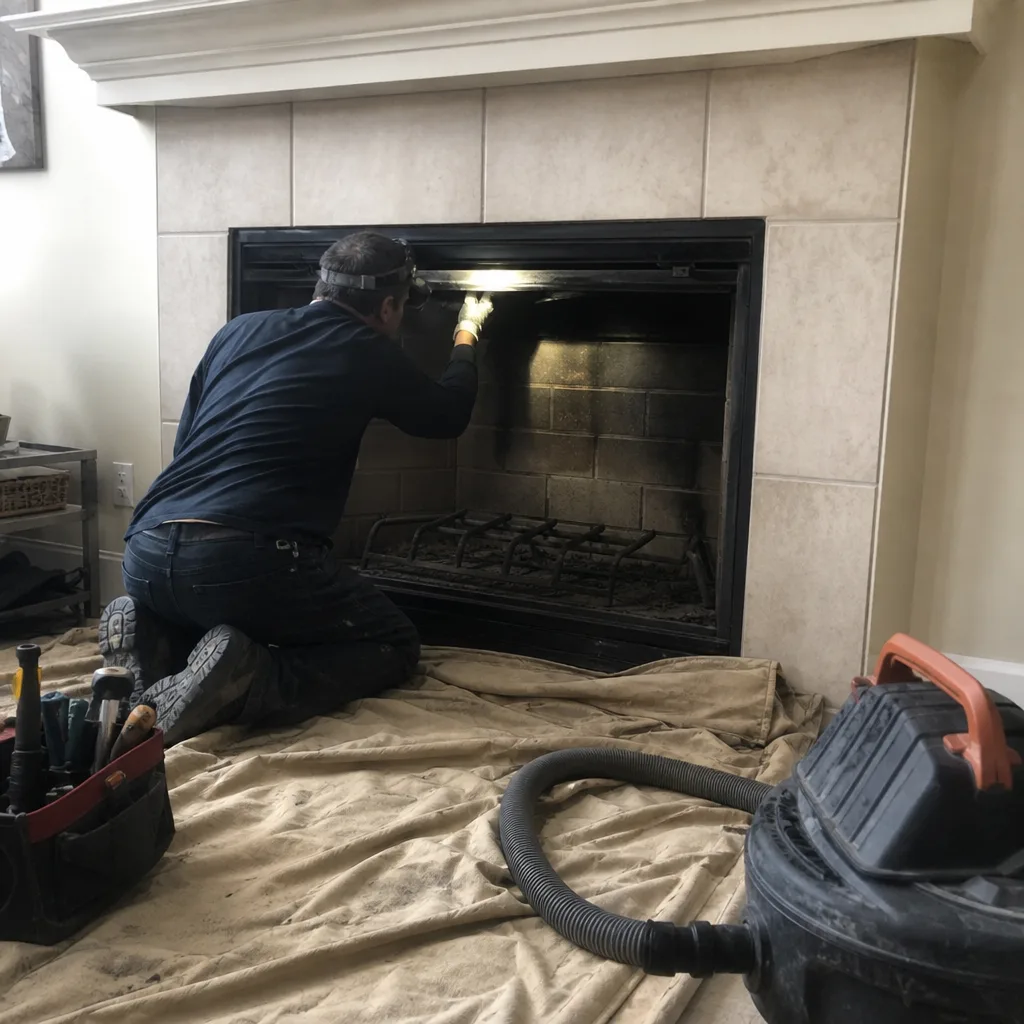
 Sweep & inspection
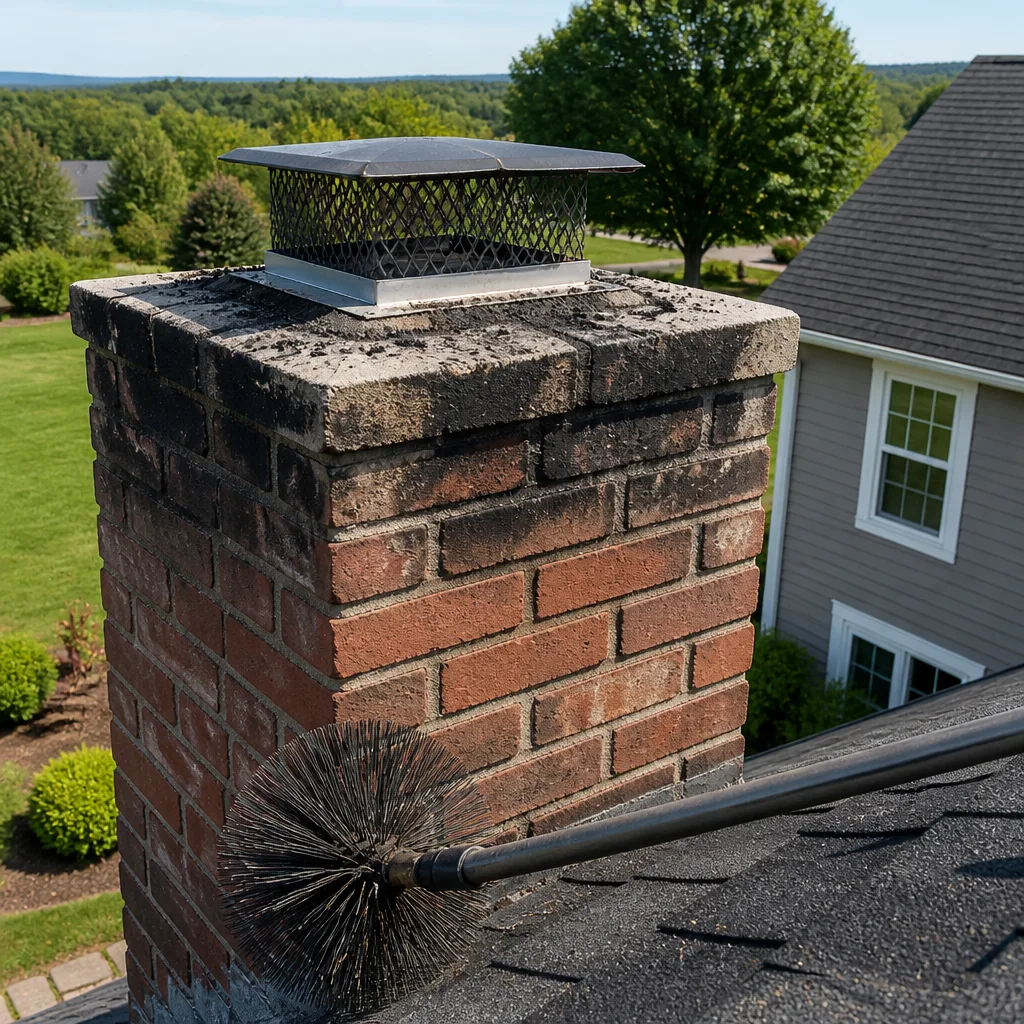
 Caps & crowns
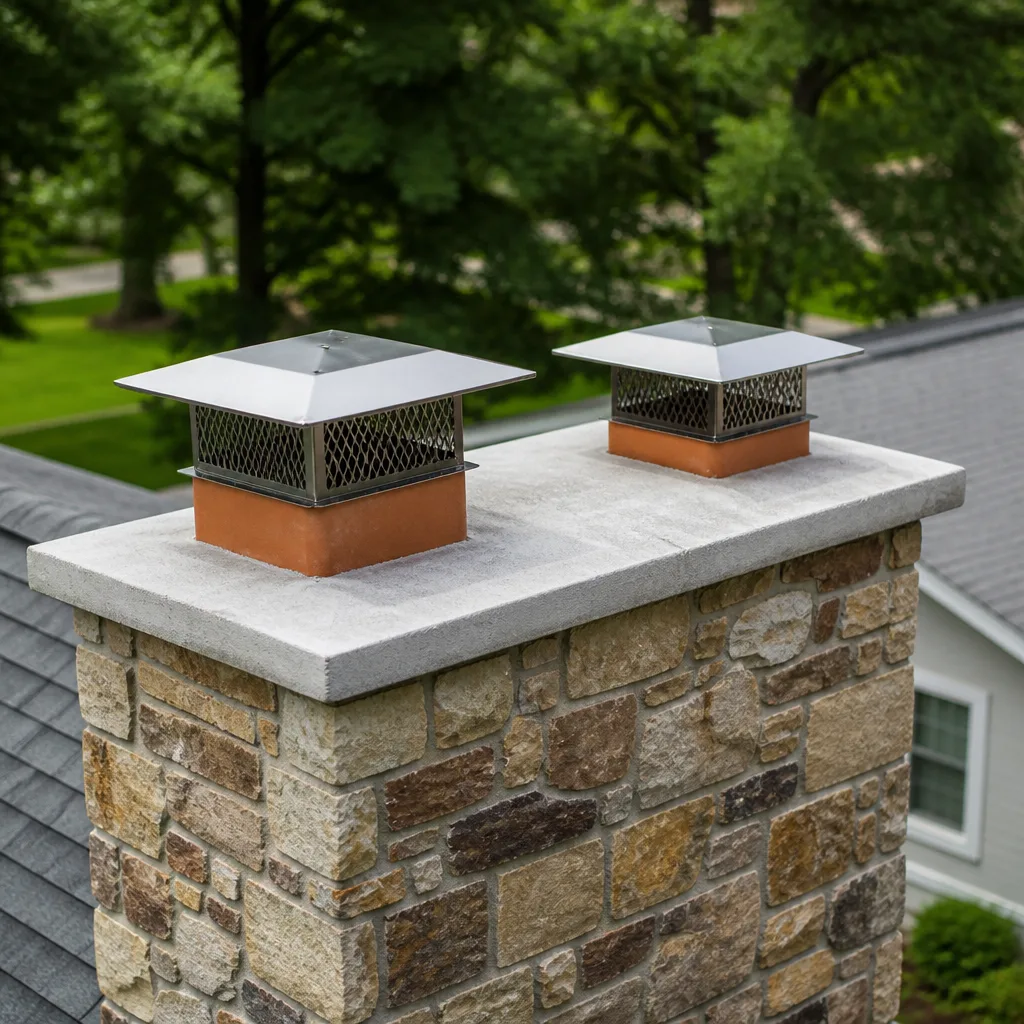
 Flue relining
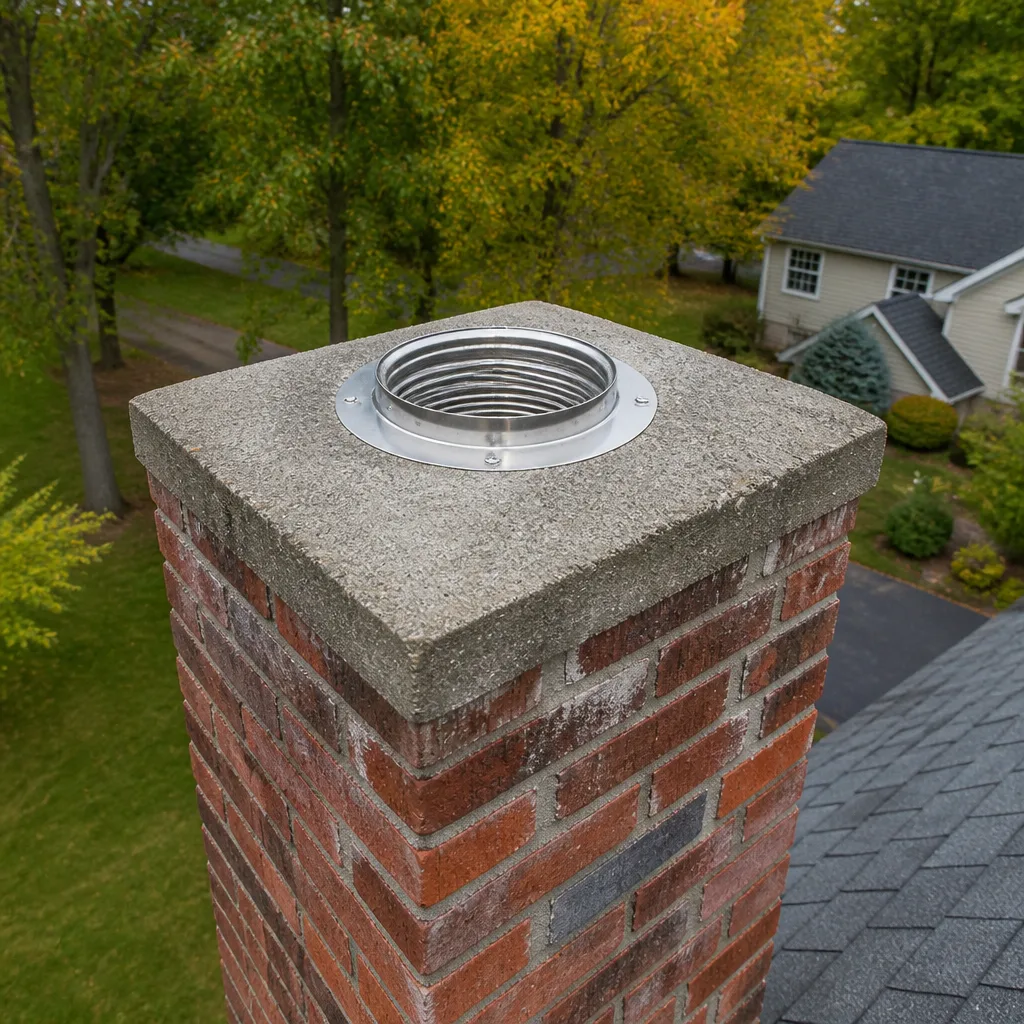
 Masonry repair
 Gas fireplace service
Level 1 sweep and inspection to the NFPA 211 annual standard - flue, crown, cap, and flashing checked and photographed
Chimney sweep logs do not sweep chimneys. They loosen some creosote - which then falls where a brush and vacuum still have to collect it.
Chimney Cleaning Emergency Preparedness Guide for Redmond Homes
During a chimney fire, the instinctive response, opening the damper to let the smoke out, is exactly wrong. Restricting airflow starves the fire; opening it feeds it. Most homeowners have never been told this, and in the minutes that matter, that single wrong move can turn a contained chimney fire into a house fire. This guide walks Redmond homeowners through the three emergencies that actually happen in a chimney and flue, how to tell them apart, and what to do in the first sixty seconds of each. You’ll also learn what to document afterward for an insurance claim and why a professional inspection has to come before the next fire.
Quick Answer
If you suspect a chimney fire in Redmond, get everyone out, call 911, and close the damper and any glass doors if you can do so safely, because starving the fire of air is what limits it. A blocked flue and a carbon monoxide problem look different and need different responses, so knowing which one you’re facing is the whole point of this guide. After any chimney fire, even one that seemed to put itself out, a Level 2 inspection is required before you burn again.
Styles & brands we work with
- Sweep & inspection
- Caps & crowns
- Flue relining
- Masonry repair
- Gas fireplace service
Table of Contents
- How Do You Know a Chimney Fire Is Happening?
- Slow-Burn vs. Fast-Burn Chimney Fires
- Carbon Monoxide vs. Smoke: Two Different Emergencies
- What to Tell Redmond Fire Department Dispatchers
- The Correct Immediate Response Sequence
- Documenting the Damage for Your Insurance Claim
- Why a Level 2 Inspection Comes Next
- Preparedness Before the Heating Season
How Do You Know a Chimney Fire Is Happening?
A chimney fire is rarely a wall of flame shooting from the roof. Most of the time it happens inside the flue, where you can’t see it, and your senses pick up clues long before your eyes do. Knowing the sounds, the smells, and the visible signs is the difference between catching it early and discovering it after the fact.
Listen for a low rumbling that sounds like a freight train or distant thunder coming from the chimney itself. That roar is creosote igniting and burning fast, and it is the single most common sound reported by homeowners mid-event. You may also hear popping or a series of small cracks, which is the sound of the flue tiles or metal liner expanding under sudden heat.
Then there’s the smell. A chimney fire produces a sharp, acrid odor that doesn’t smell like normal wood smoke. It’s hotter, chemical, closer to burning tar or roofing. Some homeowners describe a smell like a hot engine. That smell can linger in the house for hours after the fire itself has burned down.
Visible signs include:
- Smoke or flames coming from the top of the chimney or from cracks in the masonry
- Pieces of creosote falling into the firebox or landing on the roof
- Discoloration or heat warping on the outside of the chimney or the stovepipe
- A puffy, honeycombed texture inside the firebox, usually called “puffed” creosote
- Smoke pushing out of any crack, joint, or thimble rather than going up the flue
In our experience, the majority of chimney fires we see evidence of in Redmond homes were never reported by the homeowner. The signs were there, but nobody looked up the flue at the right moment. If you notice any of these after a fire, treat it as a real event and get it inspected before you use the fireplace again.
Slow-Burn vs. Fast-Burn Chimney Fires
Not every chimney fire announces itself. A slow-burn fire can smolder inside the flue for hours, sometimes overnight, producing almost no sound and very little visible smoke. A fast-burn fire is the dramatic version: loud, hot, and impossible to miss. Both require the same follow-up, but the slow one is the one that catches homeowners off guard.
A fast-burn fire is what people picture when they hear “chimney fire.” It usually starts when a large deposit of creosote ignites all at once. You hear the roar, you may see flames or thick smoke at the top, and the whole event may last a few minutes or as much as half an hour. The damage to the flue can happen in those few minutes because the temperature spikes so fast that tile and metal can crack.
A slow-burn fire is quieter and more patient. It happens when smaller deposits burn at a lower temperature over a longer window, often while the stove or fireplace is still being used normally. The signs are subtle: a faint rumbling you might mistake for a truck outside, a slight smell, a little more smoke than usual. The reason this matters is that the slower fire can still do structural damage, just more gradually, and it can also build up pressure and heat that weakens the flue over multiple events.
Here is the practical takeaway: a chimney fire that seemed to burn itself out is not the same as a chimney that is safe to use. Both fast-burn and slow-burn events leave behind cracked tiles, warped metal liners, or loosened joints that won’t show from the outside. Understanding the difference helps you describe what happened when you call for help, but either way, the next step is the same, and it’s a professional inspection before the next fire. Our technician team handles that inspection as part of the same visit as your chimney sweep, so you’re not chasing two contractors to get a straight answer.
Carbon Monoxide vs. Smoke: Two Different Emergencies
Homeowners often treat smoke backing up into a room and carbon monoxide as the same problem. They’re not, and confusing them can cost you minutes that matter.
Smoke is what you see and smell. When smoke backs up into a Redmond living room, it usually means the flue is blocked, the damper is closed too soon, or the chimney is under-drafting because of a cold flue or negative pressure in the house. Smoke is irritating and dangerous to breathe in volume, but you can see it, and you have time to react. It’s a warning sign of a blocked flue far more often than a sign of an active fire.
Carbon monoxide is different. It’s invisible, odorless, and tasteless, and it doesn’t back up into a room the way smoke does. It seeps. CO problems come from poor combustion, a cracked heat exchanger in a wood stove insert, a blocked flue that pushes exhaust into the house, or a draft that reverses on a windy day. Your first warning may be a CO alarm, a headache, nausea, or drowsiness that clears when you leave the house.
Different emergencies, different protocols:
- Smoke backup: Open a window, check the damper, make sure the fire is burning cleanly, and if smoke keeps coming, let the fire burn down and get the flue inspected. Smoke backup alone is not an evacuation event.
- CO alarm sounding: Get everyone outside, including pets, and call 911 from outside the house. Do not re-enter to open windows or check the fire. CO is a life-safety event every time.
In our experience, the calls that worry us most are the ones where the homeowner says “it smells a little off in here” and hasn’t connected it to CO. If you have a fireplace or wood-burning insert, a working CO alarm near the sleeping area is the single cheapest piece of preparedness gear you can own, and it doesn’t depend on the chimney being clean. It just depends on the battery being in it.
What to Tell Redmond Fire Department Dispatchers
If you’ve called 911 for a chimney fire, you’ve done the right thing. What you say next helps the responding crew more than you’d expect.
Lead with the location, then the type of emergency. “I have a chimney fire at (your address)” tells them more in two seconds than a paragraph of description. If there’s smoke in the house, say so. If there’s fire visible at the roofline or coming out of the chimney, say that. If anyone in the house has symptoms of CO exposure, say that too, because it changes how the crew approaches the call.
Then describe what you can see and hear, in plain terms:
- Whether there’s fire visible outside the chimney or only smoke
- Whether the fire is roaring or quiet
- Whether the fire in the firebox is still burning and whether the damper is open or closed
- Whether anyone has symptoms: headache, dizziness, nausea, confusion
- Where the nearest hydrant is, if you know it
Here is what the fire department will do, and what they won’t. They will put out a fire that’s actively burning and threatening the house. They will check for extension, meaning fire that’s moved into the walls or attic. They will make sure everyone is safe. What they will not do is inspect the interior of your flue, evaluate whether the liner is damaged, or clean out the creosote that caused the fire in the first place. That’s not what they’re there for, and it’s not a judgment on their work. It’s just the division of labor.
So after the fire truck leaves, you need to call a sweep. That’s the second call. Redmond Chimney Sweep can inspect and clean the flue after a fire, and if the liner is damaged, we can restore or reline it rather than send you looking for a second contractor. Our technicians have up to 12 years of experience reading exactly this kind of post-fire damage, and we work with brands like DuraFlex and HeatShield because the repair has to hold up to the same heat that caused the problem.
The Correct Immediate Response Sequence
Here’s the sequence to memorize, because in a real event you’ll have about thirty seconds to think clearly. Everything below assumes the fire is still inside the chimney and the house is not yet on fire. If you see flames in the room, skip to the last step.
- Get everyone out first. People, pets, then the phone. Call 911 from outside the house. This is not negotiable and it comes before anything else on this list.
- Close the damper and any glass doors. This is the counterintuitive one. Restricting airflow starves a chimney fire of the oxygen it needs to keep burning. If you can close the damper safely, close it. If there’s a fireplace screen or glass doors, close those too. Do not open the damper to “let the smoke out.” That mistakes a chimney fire for a smoke backup.
- If you have a chimney fire extinguisher or a chimney flare, use it. These are designed to be dropped into the firebox or the flue, and they work by displacing oxygen. Do not use a standard dry chemical extinguisher inside the firebox unless the fire has escaped into the room, because you can make a mess without affecting the flue.
- Wait for the fire department. Do not re-enter the house to check on the fire. Do not climb on the roof. Do not open the damper back up once the fire seems to be out. A chimney fire can re-ignite if creosote is still hot.
- If you see flames in the room, get out and stay out. A chimney fire that has extended into the house is a house fire, and the fire department needs to handle it as one.
The most common mistake in this sequence is step two. In a real event, the smoke is the thing everyone reacts to, and the instinct is to open the damper. It feels like the opposite of what you should do, but the whole point of closing the damper is that a chimney fire needs air, and you can take it away. Restricting airflow is the single most useful thing a homeowner can do while waiting for help.
Documenting the Damage for Your Insurance Claim
After the fire is out, the clock starts on the insurance claim. Most homeowner policies cover chimney fires, but the adjuster needs evidence, and the evidence is easiest to gather in the first few hours. The instinct to clean up can cost you the claim, so the rule is: photograph first, clean later.
Take photos of everything you can see, from multiple angles, before anything moves:
- The outside of the chimney, from the ground and from the roof if you can safely see it
- Any cracks, discoloration, or heat warping on the exterior masonry or metal chase
- The firebox interior, the damper, and the firebox doors
- Any creosote that fell into the firebox or onto the hearth
- The roofline, the flashing, and the cap and crown area
- The room around the fireplace, especially any smoke staining on walls or furniture
What not to clean up: don’t sweep out the firebox, don’t move the fallen creosote, and don’t try to “help” by clearing the hearth. That material is the evidence of what burned, how much, and how hot. Leave it alone until the adjuster has seen it or a professional has documented it.
This is where a Level 2 inspection report does work a photo can’t. An adjuster reviewing photos can see damage, but they can’t tell whether a cracked flue tile is from this fire or was already there. A Level 2 inspection report documents the condition of the flue, the liner, and the surrounding structure with a written report and photos, and it gives the adjuster a professional assessment they can put in the file. That report is the document that usually moves a claim from “under review” to “approved.”
We provide Level 2-level inspections and photo documentation as part of our post-fire service, and we can talk to your adjuster directly if that speeds things up. When the liner needs restoring rather than replacing, we use HeatShield resurfacing, which is a repair tier that a general handyman can’t offer and that saves the cost of a full reline. If you’re in the middle of a claim and want to understand your repair options, our fireplace repair team can walk you through what’s covered and what’s realistic.
Why a Level 2 Inspection Comes Next
A Level 2 inspection is the professional standard after any chimney fire, and it is not the same as the annual checkup. The annual inspection, what the trade calls Level 1, is a visual look at the accessible parts of the system, usually with the chimney in normal use. A Level 2 inspection goes further. It’s required after a chimney fire, after a change in fuel or appliance, or when a property changes hands, and it includes a thorough examination of the flue, the liner, the joints, the cap, and the surrounding structure.
What that means in practice is that a Level 2 inspection uses a camera to see the inside of the flue from end to end. A cracked tile, a separated joint between liner sections, or a warped section of metal liner can all be invisible from the firebox. The camera finds them, and the report documents them with photos. That’s the document your insurance adjuster needs, and it’s the document you need before you burn again.
The reason it matters after a fire is that a damaged flue is a carbon monoxide risk even when the fire is long over. A crack that opens into the wall cavity lets exhaust into the house. A liner that’s lost its seal lets heat into the framing. The fire is the event that caused the damage, but the damage itself is what hurts people the following winter.
We handle Level 2 inspections along with the sweeping that comes before them, which is the reason we do them under one roof. When the inspection turns up a damaged cap or crown, which is the other common post-fire issue, we also install those parts, and you can read about that work on our chimney cap & crown page. Brands like Olympia Chimney and Famco are part of the roster we work with because they hold up to the same heat exposure that caused the damage in the first place.
Preparedness Before the Heating Season
The best emergency response is the one you never need. Most chimney fires in Redmond are preventable, and the prevention is a short list you can run through before the first cold snap.
- Get a sweep and inspection before the season. Creosote is the fuel for chimney fires, and a sweep clears it before it can ignite. The best time to book is before you start burning for the year, not after the first scare.
- Check your CO alarm. Test it, replace the battery, make sure it’s near the sleeping area. This is the cheapest preparedness step and the one that catches the emergencies you can’t see.
- Inspect the cap and crown. Water is the slow destroyer of chimneys, and a cracked crown or a missing cap lets water into the masonry. That damage weakens the flue and sets the stage for bigger problems. We work with Gelco and Copperfield products on these jobs for the same reason.
- Burn dry, seasoned wood. Wet wood smolders and produces more creosote. Dry wood burns hot and clean. This is the single biggest thing a homeowner controls.
- Don’t over-fire the stove. Loading the firebox and letting it run hot for hours is how creosote ignites. A steady, moderate fire is safer than a roaring one.
- Know your emergency sequence. The steps in this guide only help if you’ve thought about them before the moment arrives. Read them aloud with everyone in the house once, and you’ll remember them under pressure.
If you’ve had a chimney fire, or you’re not sure, call us. We answer 24/7, and we can get a technician out to inspect the flue and document the condition before you burn again.
Common Mistakes to Avoid
- Opening the damper during a chimney fire. This is the single most dangerous mistake, and it’s the one most homeowners make. Opening the damper feeds the fire with oxygen and can turn a contained flue fire into a structure fire.
- Assuming a slow-burn fire was nothing. A quiet chimney fire still damages the flue. If you heard a rumble or smelled something off, get it inspected before the next fire, no matter how uneventful it seemed.
- Confusing smoke backup with carbon monoxide. Smoke is visible and you have time. CO is invisible and you have minutes. Treat a CO alarm as an evacuation, not a “check on it” moment.
- Cleaning up before the adjuster sees it. You can’t claim what you’ve swept away. Photograph first, clean later, and leave the fallen creosote in place for documentation.
- Skipping the Level 2 inspection after a fire. A firebox that looks fine from the outside can hide a cracked flue tile. The camera inspection is what finds it, and it’s what the adjuster requires.
- Burning wet wood to “use it up.” Wet wood is the leading cause of creosote buildup, and creosote is the fuel that chimney fires burn. Dry wood saves you money and reduces the fire risk at the same time.
- Waiting until you smell smoke to book a sweep. A clean flue doesn’t announce itself, and a dirty one doesn’t either until it ignites. The inspection is the point, not the emergency.
See the difference
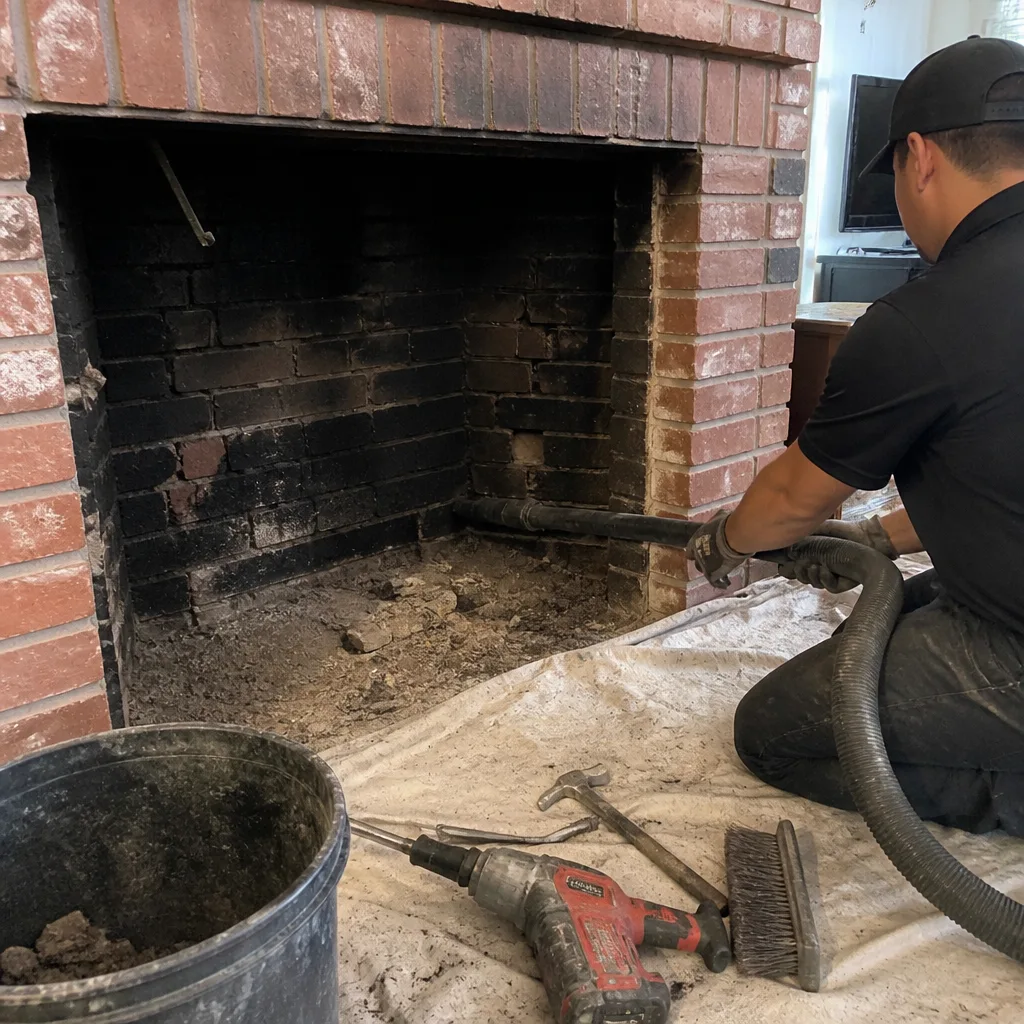 Before
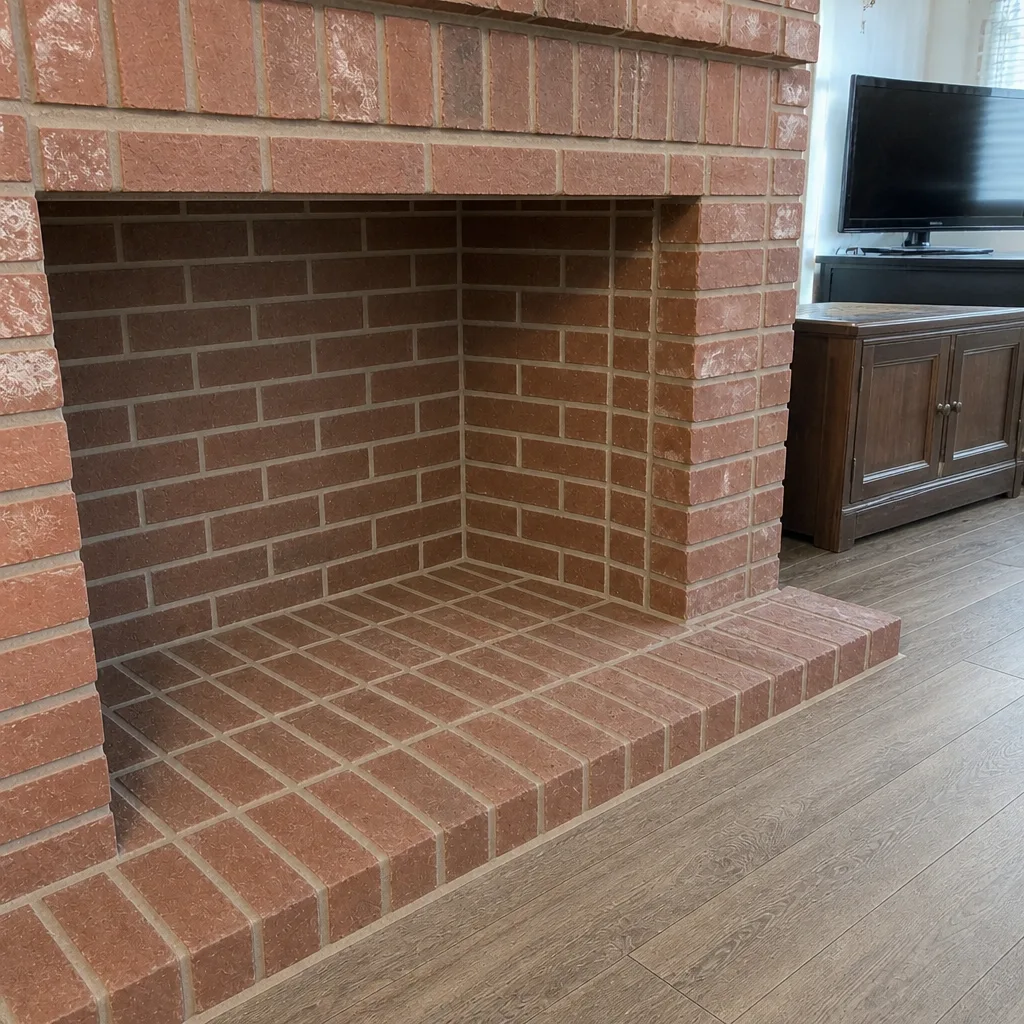 After
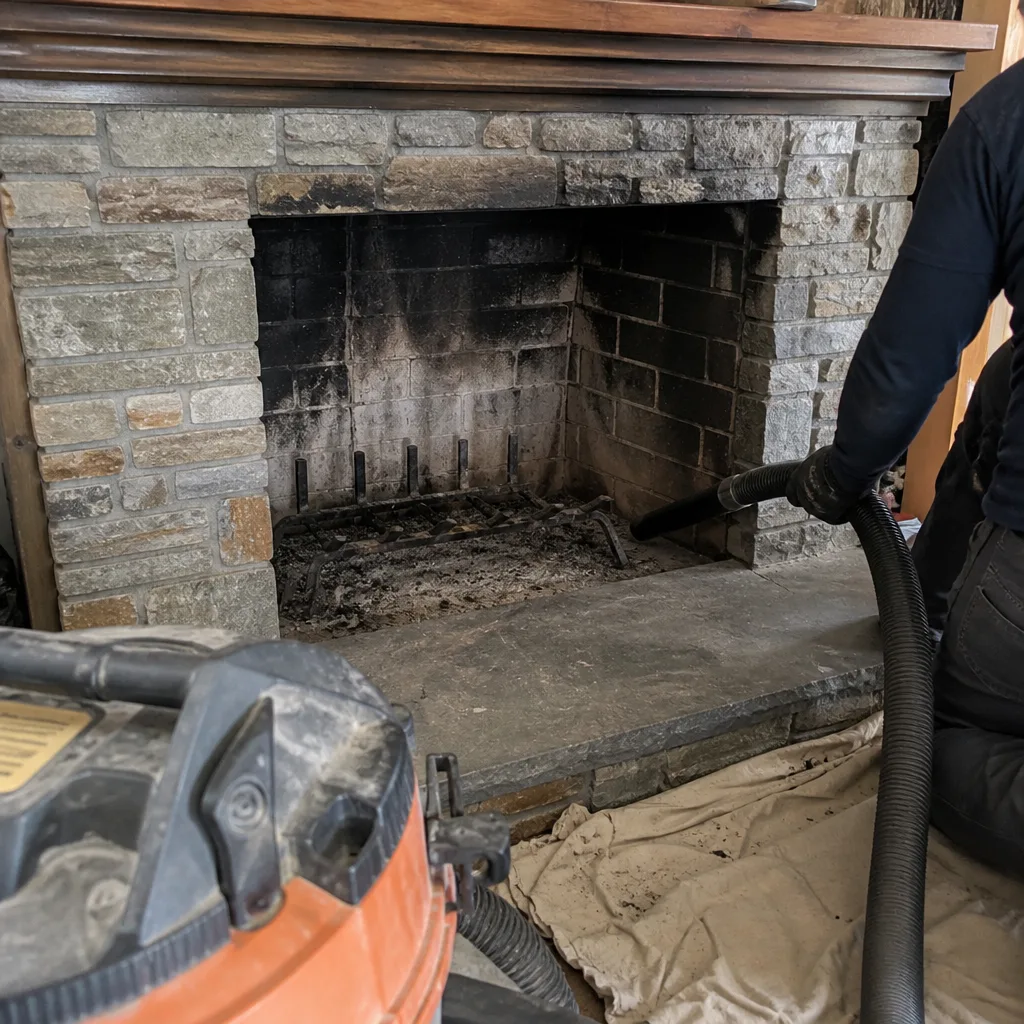 Before
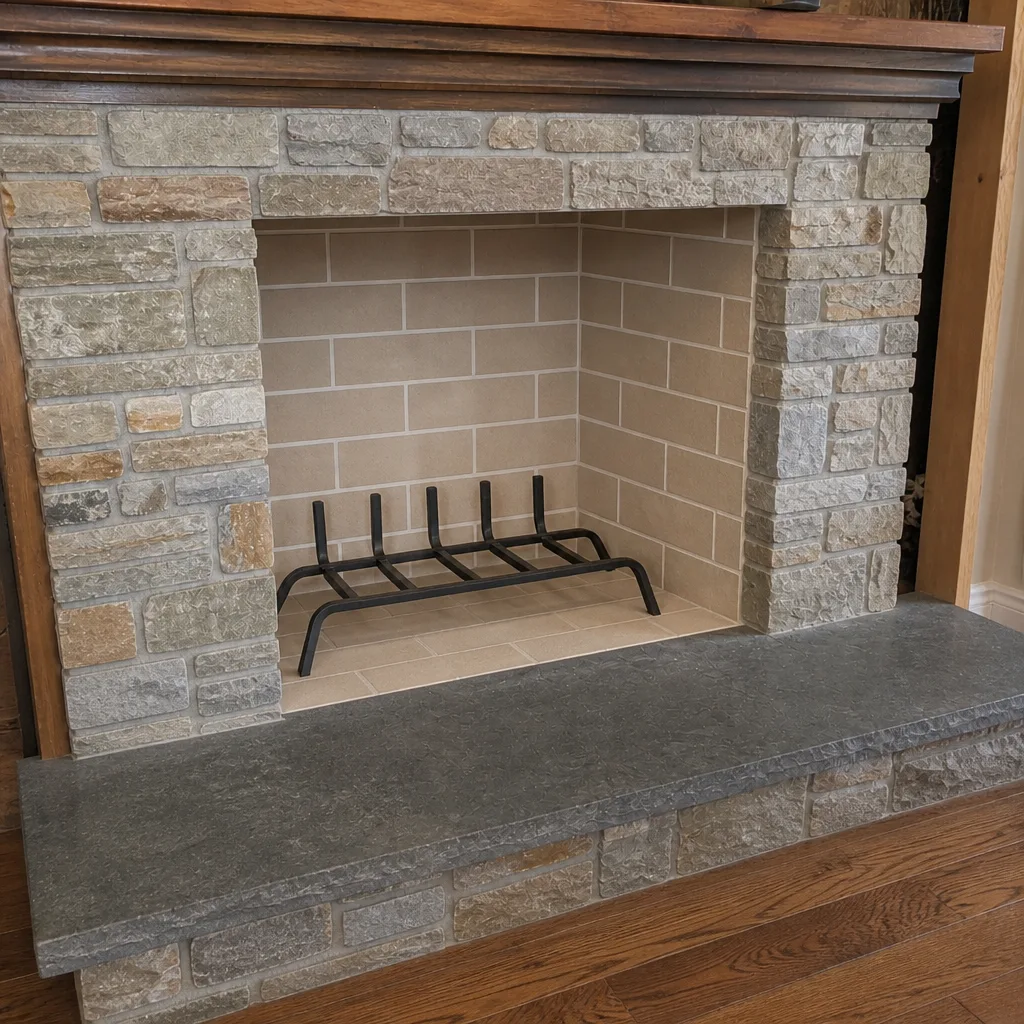 After
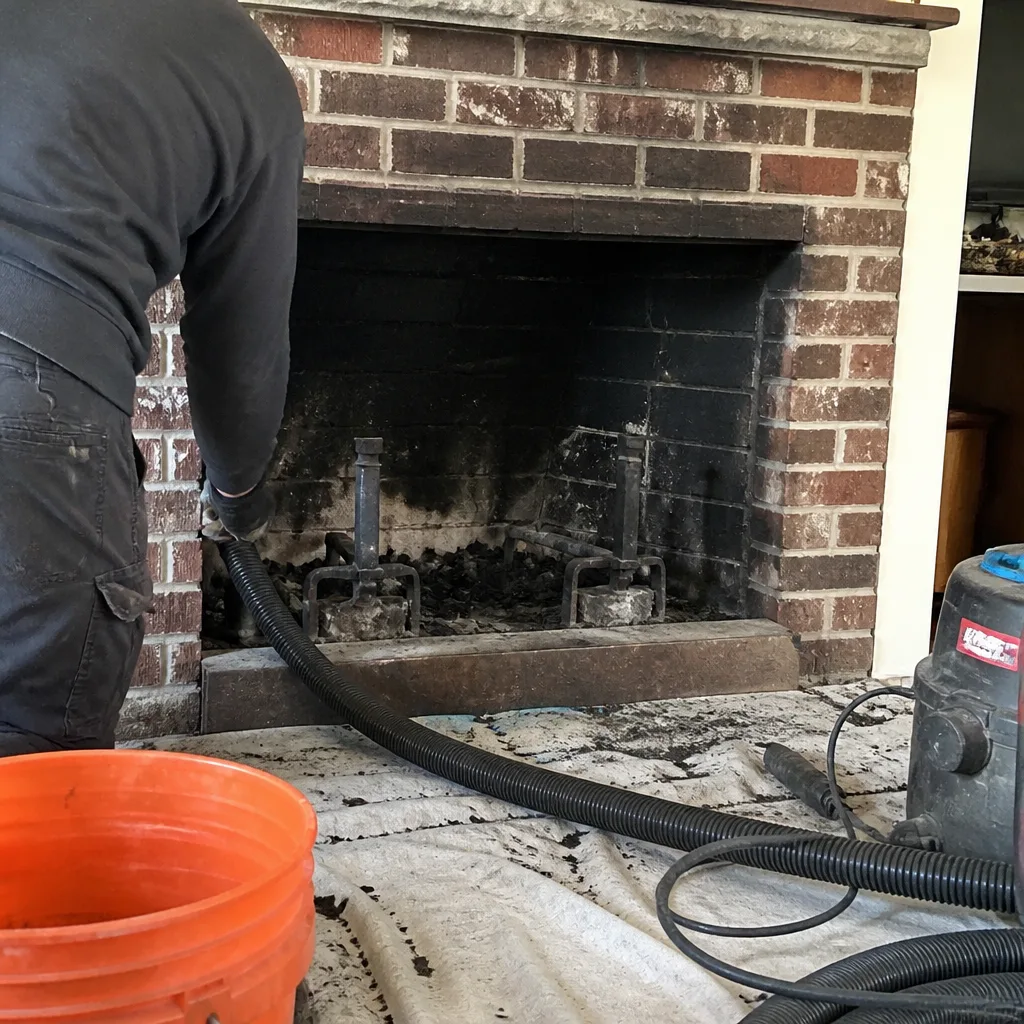 Before
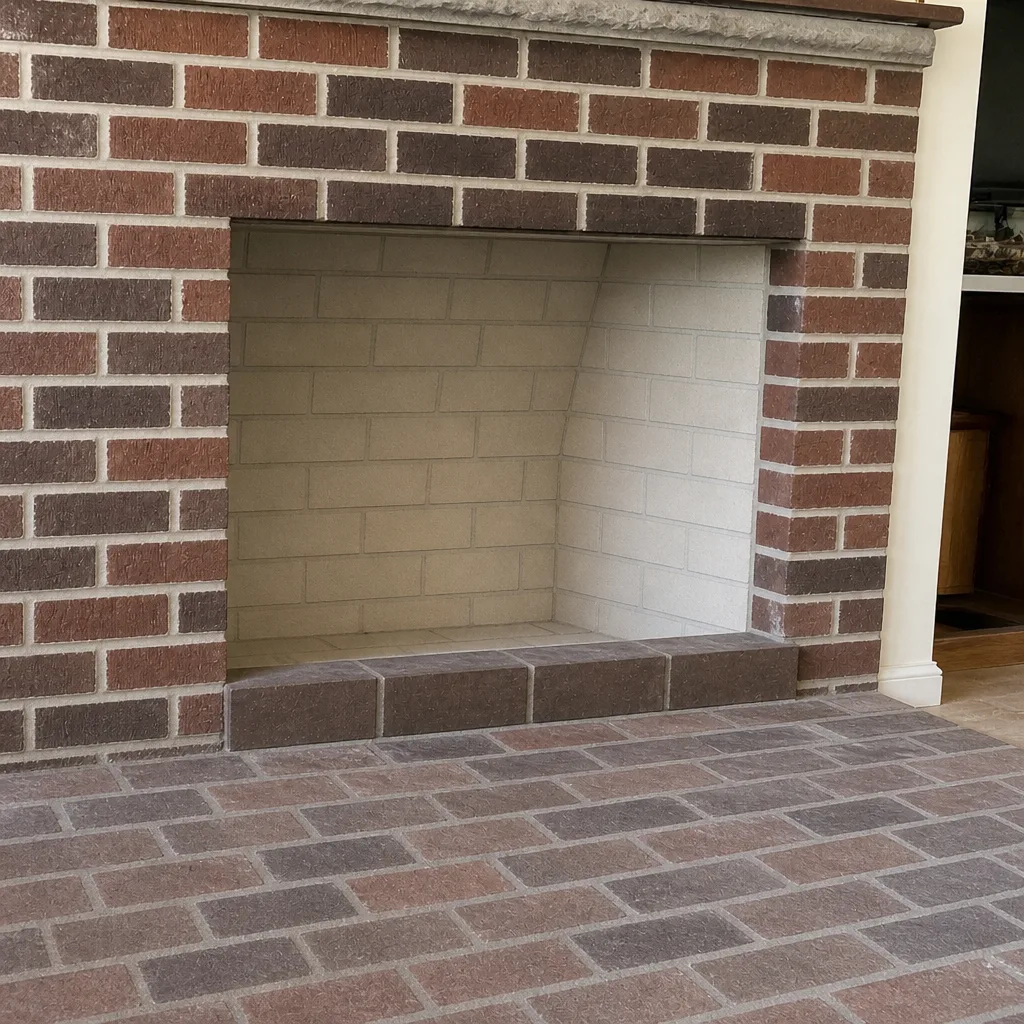 After
When to Call a Professional
Call a professional after any suspected chimney fire, even one you think burned itself out. Call if you smell an acrid, chemical odor around the fireplace or the chimney, or if you see puffed, honeycombed creosote inside the firebox. Call if your CO alarm has sounded, if smoke backs into the room when the damper is open, or if you’ve had a chimney fire and haven’t had the flue inspected since. Call if you’ve bought a Redmond home with a fireplace and don’t know the last time it was swept. And call before the heating season if you burn wood regularly and can’t remember the last sweep. Redmond Chimney Sweep offers free estimates in Redmond, call (877) 492-1807. We answer 24/7, and fast dispatch runs from 7am to 7pm, Sunday through Friday.
Frequently Asked Questions
You know you’ve had a chimney fire if you heard a low roar like a freight train from the chimney, smelled a sharp acrid odor that didn’t smell like normal wood smoke, saw flames or thick smoke at the top of the chimney, or found pieces of creosote fallen into the firebox. In our experience, many chimney fires in Redmond happen quietly and are only discovered during an inspection. If you suspect one, get the flue inspected before you use the fireplace again. Call (877) 492-1807 for an exact quote; estimates are free.
Get everyone out of the house, call 911 from outside, and close the damper and any glass doors if you can do so safely. Closing the damper starves the fire of oxygen, which is the opposite of what most people do instinctively. Do not re-enter the house and do not open the damper back up once the fire seems out. The fire department handles the active fire; a sweep handles the inspection and cleaning afterward.
Pricing depends on the chimney, the amount of creosote, and whether an inspection is included, and the written estimate sets the final price. We inspect with a camera and document the condition so you know exactly what we found before any work is recommended. Nothing is recommended without photo evidence you can see for yourself, and we’ll tell you plainly when work can safely wait. Call (877) 492-1807 for an exact quote; estimates are free.
Yes. A Level 2 inspection is the standard after any chimney fire because it uses a camera to examine the full length of the flue, which is where cracked tiles and damaged liners hide. It also produces the written report and photos your insurance adjuster needs to process a claim. Skipping it means burning in a flue you can’t see the inside of. Call (877) 492-1807 for an exact quote; estimates are free.
Smoke is visible and you have time to react; carbon monoxide is invisible, odorless, and can incapacitate you in minutes. Smoke backing into a room usually means a blocked flue or a draft problem, and the response is to let the fire burn down and get the flue inspected. A CO alarm is a different emergency entirely: get everyone outside and call 911 from outside the house. Confusing the two costs critical minutes.
Photograph the exterior chimney, any cracks or heat warping, the firebox interior, fallen creosote, and the roofline before you clean anything up. Leave the fallen creosote and any debris in place for the adjuster. A Level 2 inspection report with photos gives the adjuster a professional assessment of the damage, which is usually what moves a claim to approval. Call (877) 492-1807 for an exact quote; estimates are free.
The Bottom Line
Chimney emergencies in Redmond come in three flavors: a fire in progress, a blocked flue, and a carbon monoxide problem. Each one needs a different first response, and the most important one to remember is that closing the damper during a fire starves it, while opening it feeds it. After any chimney fire, even a quiet one, a Level 2 inspection is the next step, both for your safety and for the insurance claim. Photograph before you clean, leave the debris in place, and get the flue examined by a professional before you burn again. The prep work is short, and it’s the difference between an emergency you handle and an emergency that handles you.
One company for the entire chimney system, sweep, inspect, repair, restore. If you’re in Redmond and want your chimney checked before the heating season or after a fire, call Redmond Chimney Sweep at (877) 492-1807 for a free estimate. We answer 24/7, and fast dispatch runs from 7am to 7pm, Sunday through Friday. Our technicians have up to 12 years of experience, and we work with the brands professionals trust, including DuraFlex, HeatShield, Gelco, Olympia Chimney, Famco, and Copperfield. Start with the Redmond Chimney Sweep team and catch it in the inspection, before it fails.
Written by the team at Redmond Chimney Sweep.