
Last updated November 25, 2026
 Sweep & inspection
 Caps & crowns
 Flue relining
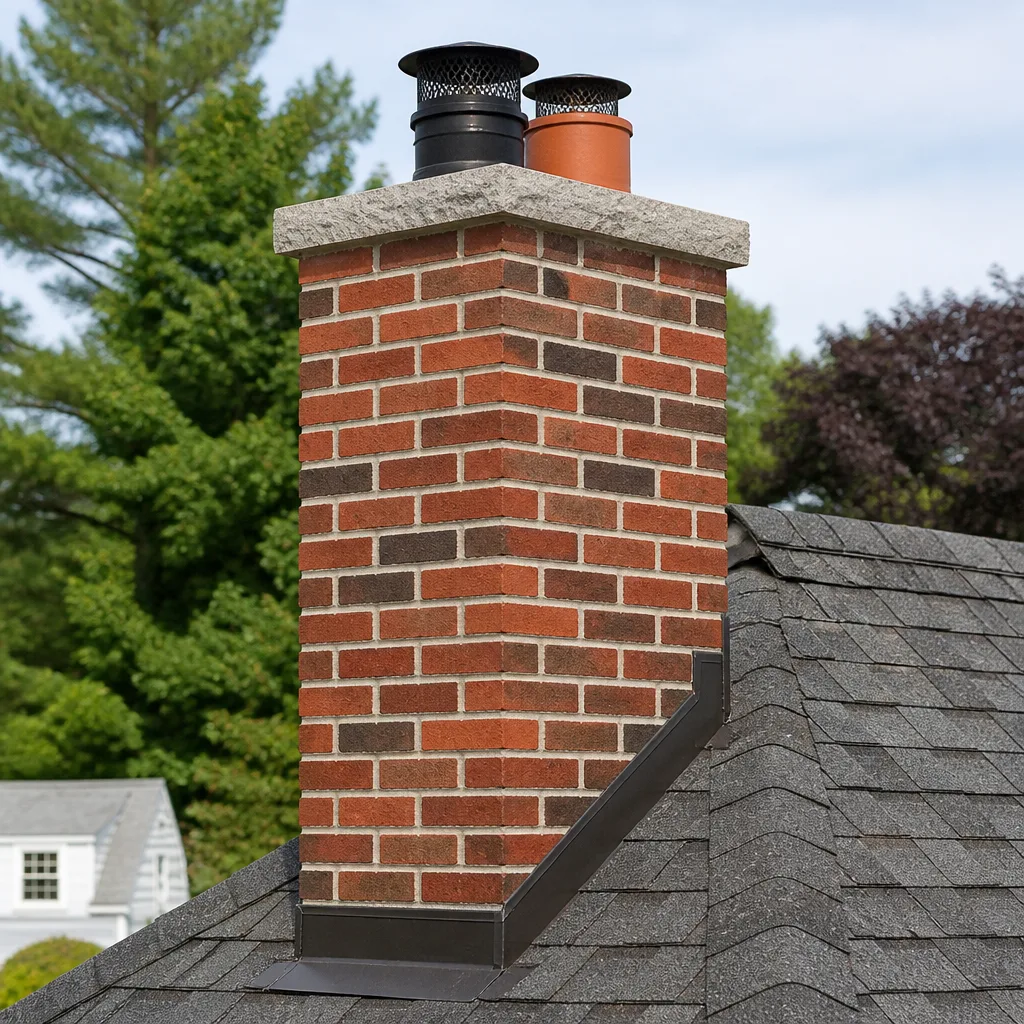 Masonry repair
 Gas fireplace service
Level 1 sweep and inspection to the NFPA 211 annual standard - flue, crown, cap, and flashing checked and photographed
Chimney sweep logs do not sweep chimneys. They loosen some creosote - which then falls where a brush and vacuum still have to collect it.
DIY vs Professional Chimney Cleaning: The Redmond Homeowner’s Decision Guide
A chimney brush removes soot. It does not tell you that your liner has a crack behind the smoke chamber that’s been channeling carbon monoxide toward your second floor, and that crack looks exactly the same before and after a DIY sweep. That’s the part of this conversation most guides skip. We’re not going to tell you cleaning your own chimney is impossible, because it isn’t. What we’re going to do is show you exactly what a brush covers, what it misses, and how to decide honestly for your Redmond home.
Quick Answer
DIY chimney cleaning covers soot and creosote removal in an accessible, straight-run flue. It does not cover the diagnostic inspection that catches cracked liners, failed joints, water intrusion, or blockages behind the smoke shelf. For a single-story home with a clean-burning gas insert and light use, DIY is reasonable. For two-story chimneys, oil-to-gas conversions, any chimney that’s had a flue fire, or homes older than 1980 with terracotta liners, professional service is the safer call.
Styles & brands we work with
- Sweep & inspection
- Caps & crowns
- Flue relining
- Masonry repair
- Gas fireplace service
Table of Contents
- What DIY chimney cleaning actually covers (and what it misses)
- The tools a competent DIY sweep requires
- When DIY is genuinely reasonable for your Redmond home
- When DIY creates real risk
- The NFPA 211 standard: the benchmark professionals inspect against
- What to ask a professional to document even if you plan to DIY
- How Redmond’s climate affects your chimney
- A decision checklist for Redmond homeowners
What DIY Chimney Cleaning Actually Covers (and What It Misses)
DIY hand-cleaning covers soot removal and light creosote brushing in a straight accessible flue. It does not cover the inspection that distinguishes a safe chimney from a dangerous one. That gap is the entire story.
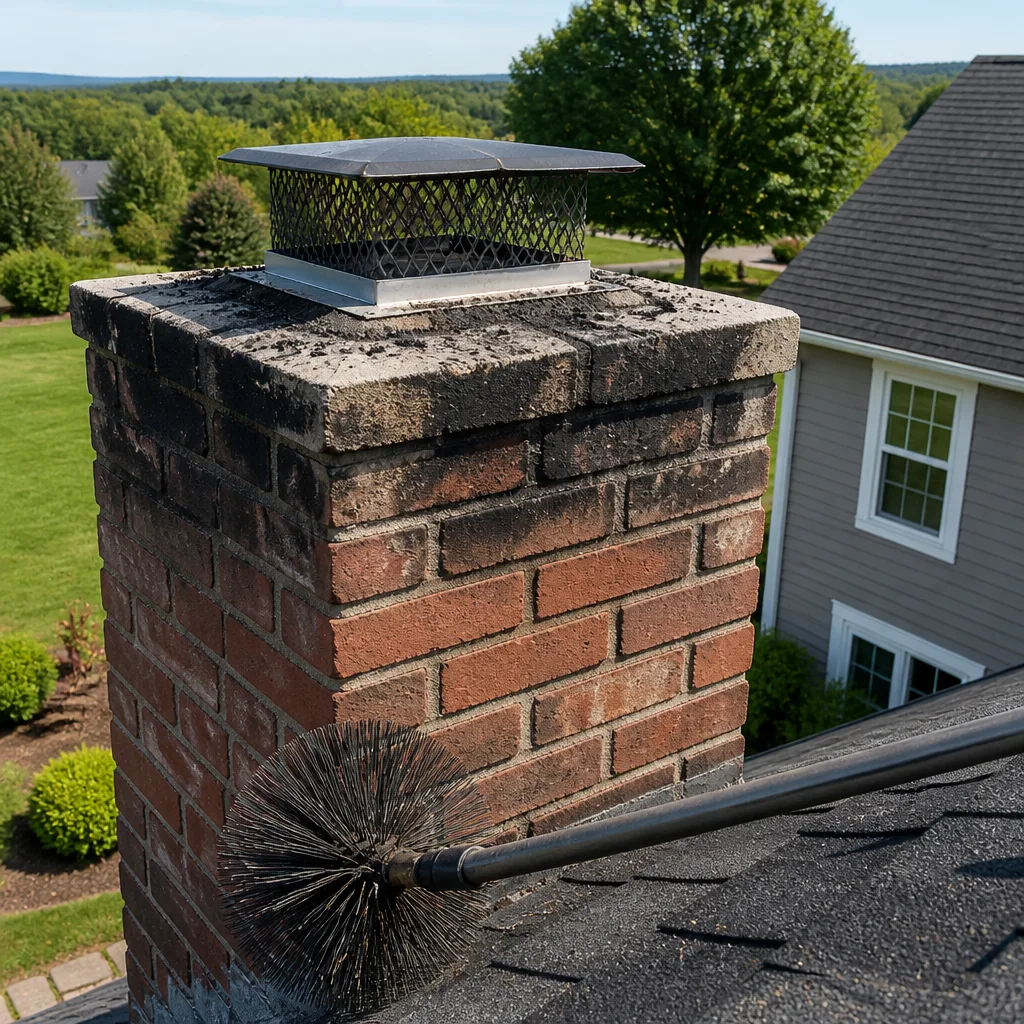
A brush run down a flue knocks loose soot, and if you’re methodical it can remove first-degree creosote (the soft, flaky stage). What a brush cannot do is evaluate the interior of the flue. It can’t see a hairline crack in a terracotta tile, a gap at a flue joint, a deteriorated mortar crown, or a bird nest lodged behind the smoke shelf. It can’t tell you that your chimney is missing a cap (relevant in a region with as much rain as Redmond sees) or that your firebox has a masonry crack that’s been drawing smoke into the wall cavity.
Here’s the honest breakdown:
- What DIY covers: soot layers, first-degree creosote, visible firebox ash, accessible flue surface.
- What DIY misses: liner integrity, flue joint gaps, crown and cap condition, blockages, water staining meaning, smoke chamber condition, hidden creosote pockets in offsets.
- What DIY cannot document: a baseline record for future comparisons, an inspection report, a professional determination that the chimney is safe to use.
We’ve seen plenty of chimneys where the flue was clean and the liner was failing. The cleaning was never the issue. The inspection was. That’s the value trade you’re weighing when you compare DIY with scheduling a chimney sweep in Redmond.
The Tools a Competent DIY Sweep Requires
A truly competent DIY chimney sweep needs a rotary rod-and-brush system, drop cloths, a HEPA vacuum, and a bright inspection light. A realistic kit runs a few hundred dollars, which is roughly in the territory of one or two professional visits depending on how many flues you have. After the first season, the math can tilt toward DIY, but only if you commit to doing it right.
What you’d need to buy or rent for one flue:
- Rotary chimney brush system – sized to your flue (round, square, or rectangular), with flexible rods long enough to reach the top. A brush that’s too small leaves creosote behind; one that’s too large can damage tile.
- Heavy drop cloths – enough to seal the firebox opening and protect the floor around it.
- HEPA shop vacuum – standard shop vacs blow fine soot back into the room, which is not what you want in a Redmond living room.
- Bright LED inspection light – 1000+ lumens so you can actually see the flue walls.
- Respirator – a proper particulate mask, not a dust mask.
- Ladder or roof access – if you plan to sweep from the top, and safe access is a real concern on a steep or mossy roof.
The honest number: a full kit costs more than one professional visit for most Redmond homes. The math tilts toward DIY only if you own multiple flues or plan to sweep every year for many years. If you’re looking at a single annual clean, a professional visit is usually the more practical call, and you get the inspection bundled in.
When DIY Is Genuinely Reasonable for Your Redmond Home
DIY works for single-story homes with a clean-burning gas insert and light use. It also works for owners with clean-burning habits and less than a cord of wood per season. If your chimney is a straight vertical run, accessible from the firebox, and has been professionally inspected within the last few years, you have room to do the annual clean yourself.
Realistic green-light scenarios:
- Single-story home with a straight flue. No offsets, no smoke chamber puzzles, accessible from the firebox.
- Gas fireplace with low use. Gas burns cleaner than wood, and soot accumulation is slow. Many gas units still need annual professional inspection, but the yearly clean itself can sometimes be handled by a careful owner.
- Clean burn habits. Dry, seasoned firewood, hot fires, and no smoldering overnight burns cut creosote buildup dramatically.
- Less than one cord of wood per season. Low use means lower accumulation, which makes an annual hand-clean manageable.
- Recent professional inspection. If a professional looked at your chimney after last season and told you the liner is sound, the crown is intact, and the flue is straight, you have a baseline to work from.
Even in the green-light cases, we recommend one professional inspection every few years so a trained eye can confirm nothing has changed. Redmond’s wet winters are hard on masonry, and a crown that looked fine in October may not look fine in April.
When DIY Creates Real Risk
DIY creates real risk when the chimney is complicated or the flue material is fragile. Multi-story chimneys, oil-to-gas conversions, chimneys that have had a flue fire, and pre-1980 homes with terracotta liners are all cases where a brush sweep can cause damage rather than prevent it. If you’re in any of these categories, the annual clean should be professional.
The red-flag scenarios:
- Two-story chimneys. Rod length, roof access, and the sheer difficulty of reaching the full flue make DIY risky and often ineffective.
- Oil-to-gas conversions. The flue sizing changes, the existing liner may no longer be appropriate, and a brush sweep won’t reveal that the liner material is incompatible with the new appliance’s exhaust.
- Any chimney that has had a flue fire. Even a small flue fire can crack tile or distort a metal liner. You need a professional camera inspection before the chimney is used again, full stop.
- Homes older than 1980 with terracotta liners. Terracotta is durable but brittle. A DIY brush in the wrong hands chips tiles and opens mortar joints, and both create pathways for carbon monoxide.
- Offset flues and smoke chambers. Soot and creosote hide in bends, and a straight brush run misses them.
- Unknown blockage. A brush shoved into a blocked flue can compact the blockage or damage the chimney from the inside.
Carbon monoxide is the reason this matters. A cracked liner or an open flue joint can push exhaust into your home rather than up and out, and you cannot see that with a flashlight. The safety caveat here is real: if your chimney has any of the red flags above, treat it as a professional-only task. If you’re not sure which category you’re in, and you’re in Redmond, the honest move is to have a professional take a look before the next burn season.
The NFPA 211 Standard: The Benchmark Professionals Inspect Against
NFPA 211 is the national standard that defines chimney inspection levels. A professional Level 1 inspection is what a routine annual sweep includes, and it’s the benchmark to compare DIY against. Understanding what Level 1 covers shows you exactly what you’re skipping when you sweep your own flue.
The NFPA 211 inspection framework has three levels:
- Level 1 (routine): Readily accessible portions of the chimney, the firebox, and the appliance connection, checked for basic soundness, blockage, and buildup. This is what happens during an annual sweep.
- Level 2 (expanded): Everything in Level 1 plus a full inspection of accessible portions using a camera or other tools, typically triggered by a change in appliance, a flue fire, a real estate transaction, or an obvious problem.
- Level 3 (diagnostic): If a Level 1 or Level 2 inspection reveals a hidden problem, Level 3 opens up concealed portions of the chimney to investigate.
What does this mean for the DIY debate? A hand-sweep covers a small slice of Level 1 – the cleanup – but not the inspection that makes Level 1 meaningful. The inspection itself is what tells you the chimney is safe. Cleaning a chimney without inspecting it is like cleaning the kitchen without looking at the smoke detector.
We work with brands that align with this standard, including Gelco, Olympia Chimney, and Copperfield. When an inspection surfaces a problem, we can move directly to cape, crown, or liner work under one roof, which is why we treat inspection as a starting point rather than a line item.
What to Ask a Professional to Document (Even If You Plan to DIY)
A professional inspection should hand you a written baseline record you can compare against year after year, even if you plan to do future cleanings yourself. Ask for specific documentation. Vague “you’re all set” assurances are not the same as a record.
Ask for these items:
- The inspection level performed. Request Level 1 (or Level 2 if applicable) in writing, per NFPA 211.
- Photos of the flue interior – not just a verbal description, but camera images you can keep.
- Liner condition and material type. Terracotta, stainless, or clay tile, with a note on visible joints and cracks.
- Crown and cap condition. Photos of the top of the chimney, since this is where Redmond’s rain damage usually starts.
- Creosote level observed – use the standard three-stage scale (Stage 1 flaky, Stage 2 hardened, Stage 3 glazed).
- Firebox and damper condition. Small cracks in the firebox matter over time.
- Any recommended follow-up – with photos supporting the recommendation.
Two things to know before you ask. First, if the inspector names a repair, ask to see the camera evidence for it. Anything visible on camera is something you can look at too, and a professional who can’t show you the failure is a professional you should ask harder questions of. Second, if the failure isn’t urgent, it’s fine to book it for a later season. Not every recommendation is a today-or-else call.
That baseline record is also useful if you’re planning to fireplace repair work later, since a documented flue history makes diagnosis faster.
How Redmond’s Climate Affects Your Chimney
Redmond’s wet winters accelerate exterior chimney damage more than most homeowners realize, and that shifts the DIY vs professional question. Water intrusion is a bigger long-term threat to your chimney than soot. A brush won’t catch it, and the annual inspection is often the first place it shows up.
What we see in Redmond specifically:
- Moss growth on masonry. Moss holds moisture against brick and mortar, and over years it works into the joints. Crowns and caps that shed water properly slow this dramatically.
- Deteriorated crowns. A cracked crown lets water into the chimney’s core, where it freezes in an overnight cold snap and chips masonry from the inside.
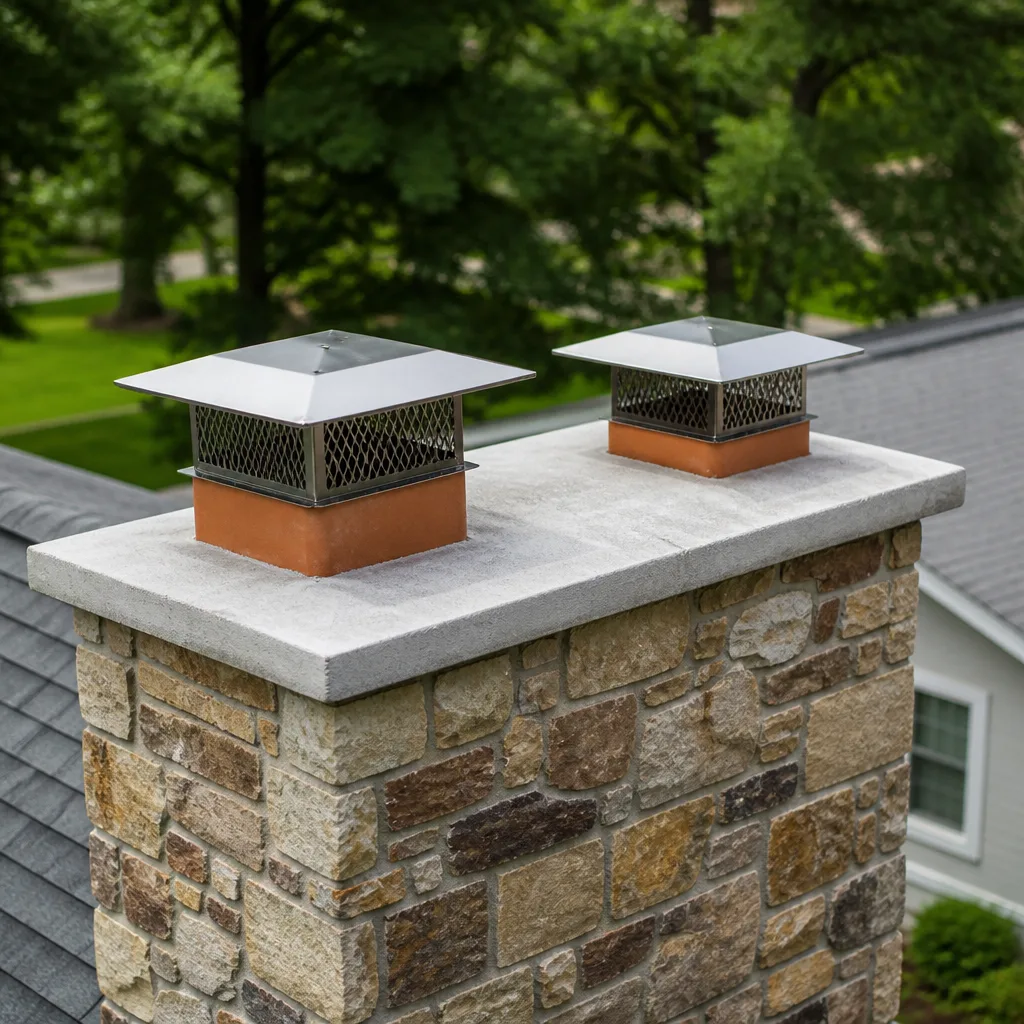
- Missing or damaged caps. An uncapped flue is an open door to rain, birds, and squirrels, and Redmond has all three. A damaged cap is one of the most common things we find on inspection.
- Seismic movement. The Puget Sound region’s seismic activity stresses masonry chimneys over time, and a chimney that was tight twenty years ago may not be tight now.
- Long shoulder seasons. Redmond’s fall and spring are wet enough to encourage moisture problems year-round, which means the crown and cap need to be your first-line defense.
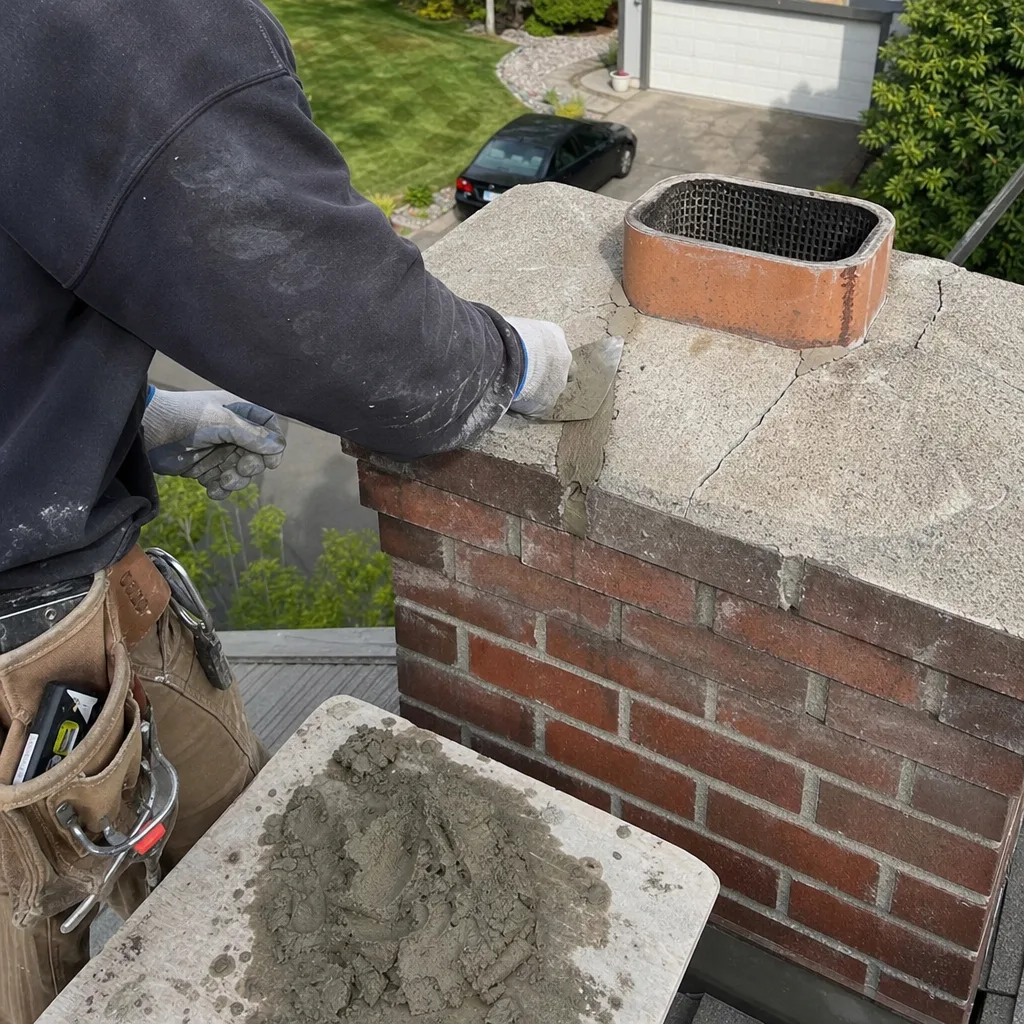
This is why a chimney cap & crown service matters more in Redmond than the service name might suggest. Catching a failing crown in an annual inspection and repairing it before winter is a cheap fix. Catching it after three winters of freeze-thaw is not. DIY cleaning does nothing about the crown, because the crown isn’t inside the flue.
A Decision Checklist for Redmond Homeowners
Run through this checklist before you decide. If any of the “professional required” items apply to your chimney, treat the annual service as professional. If none apply and the “DIY is reasonable” items describe your setup, you have room to handle the clean yourself.
Professional required:
- Two or more stories, or roof access is difficult or unsafe.
- Any history of a flue fire.
- Oil-to-gas conversion in the past.
- Home built before 1980 with a terracotta liner.
- You’ve never had a professional inspection, or it’s been several years.
- Visible smoke escape, water staining, or a smell inside the house when the fireplace isn’t in use.
- A flue with offsets, a complex smoke chamber, or a chimney on an exterior wall in a high-rain region like Redmond.
DIY is reasonable:
- Single-story home with an accessible straight flue.
- Gas fireplace with low use, or less than one cord of wood per season.
- Recent professional inspection on record.
- Intact crown and cap in good condition.
- Clean burn habits, dry seasoned firewood, no smoldering overnight burns.
If you’re in the DIY-reasonable group and want to keep sweeping yourself, that’s a fair call. Just plan on a professional inspection every few years, and use the documented photos from that inspection to spot anything that’s changed.
Common Mistakes to Avoid
- Sweeping without inspecting. A brush removes soot; it does not tell you the liner is sound. Inspect at least every few years even if you clean annually yourself.
- Using the wrong brush size. A brush sized for a standard round flue will damage a square or rectangular tile flue. Match the brush to the flue, not the other way around.
- Skipping the drop cloth and HEPA vacuum. Standard shop vacuums blow soot back into the room. If you’re going to DIY, buy the right tools or don’t do it at all.
- Assuming a gas fireplace means no cleaning. Gas units still accumulate debris and still need an annual inspection. The clean may be lighter, but the inspection still matters.
- Ignoring the crown and cap. These are the two most common sources of water damage on Redmond chimneys, and a brush never touches them.
- Sweeping after a flue fire without a proper inspection. A flue fire is a bright-line event. The chimney is unusable until a professional has looked at it with a camera.
- Assuming a “clean” flue is a safe flue. We’ve found cracked liners and water intrusion inside flues that were scoured clean. Clean and safe are not the same thing.
See the difference
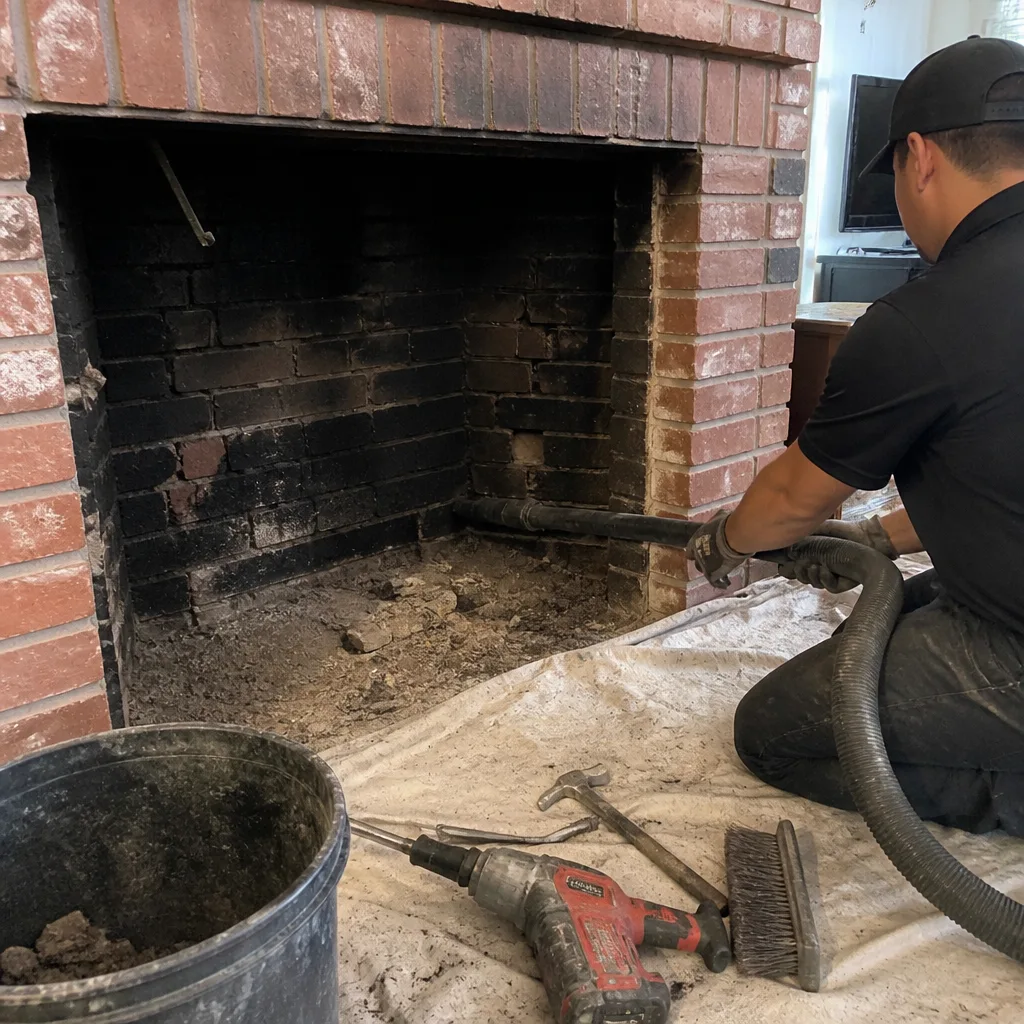 Before
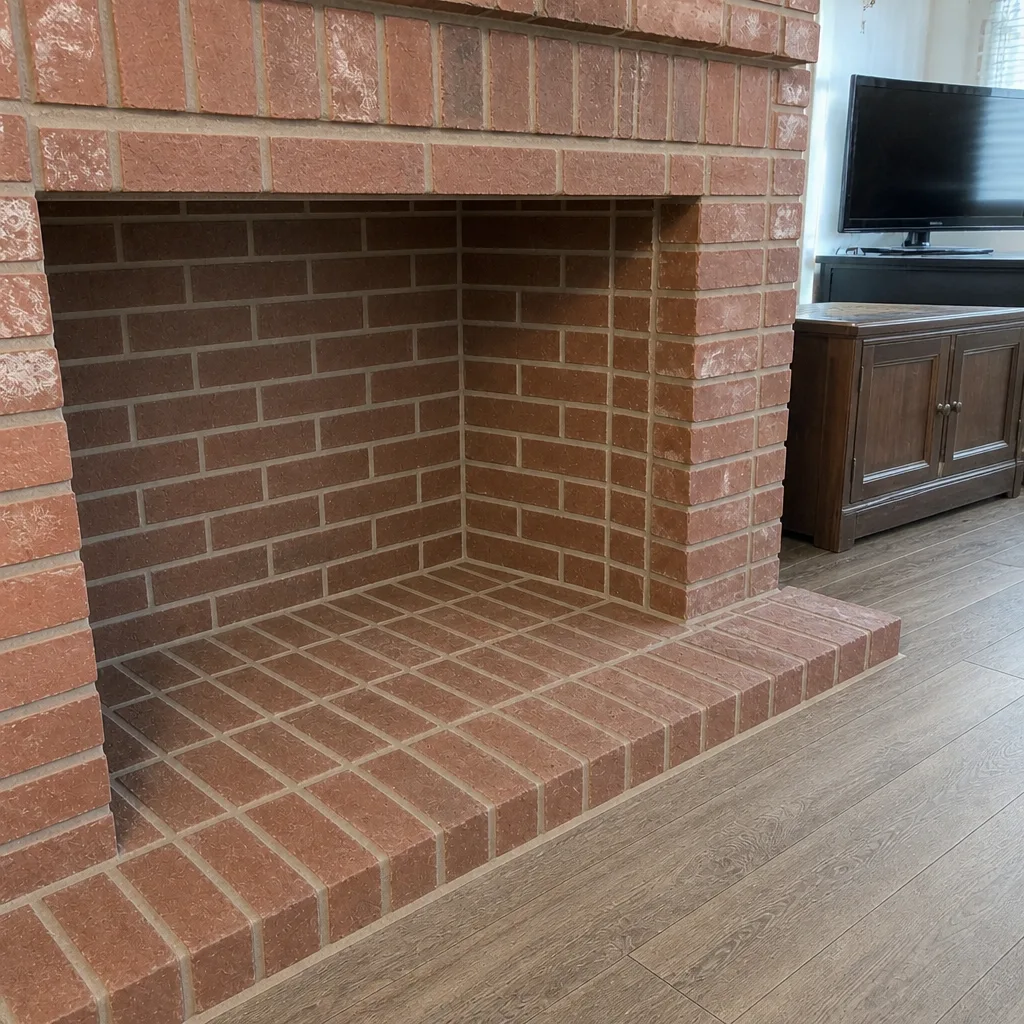 After
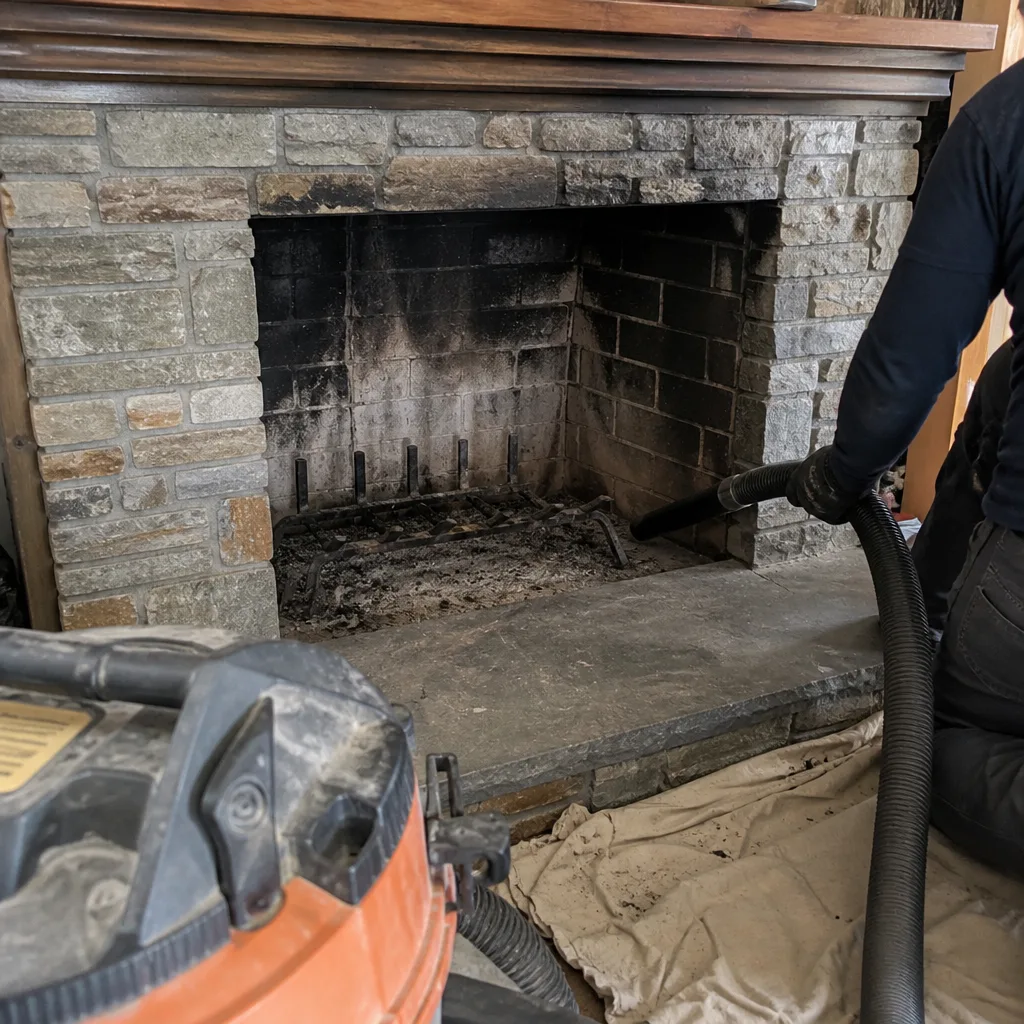 Before
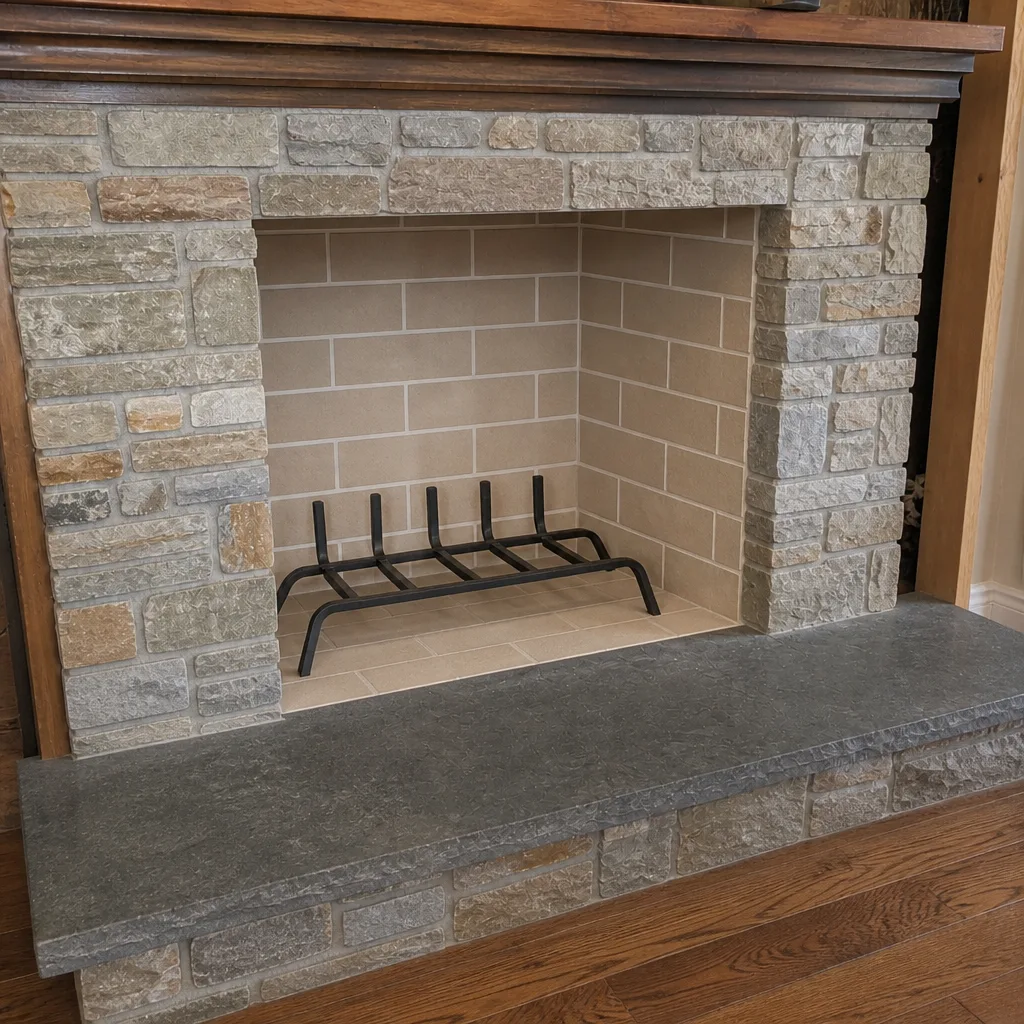 After
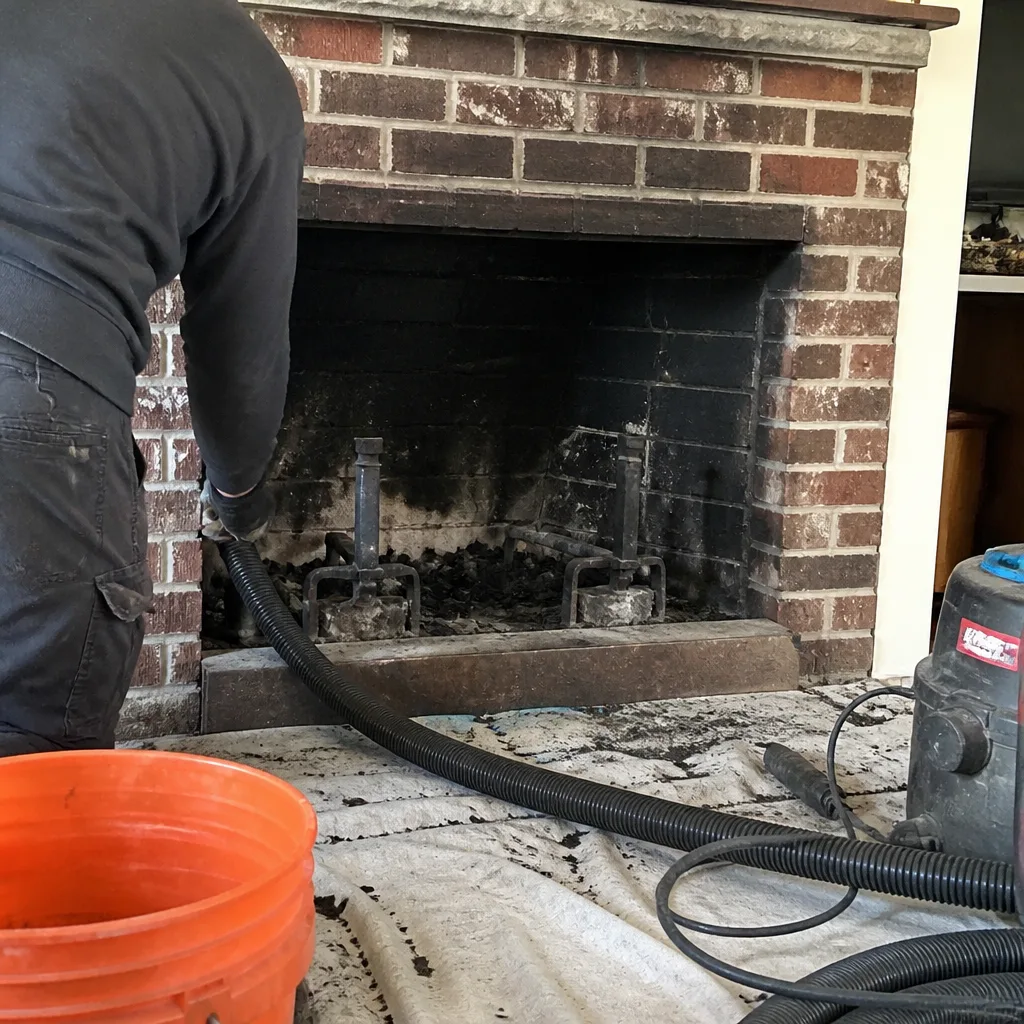 Before
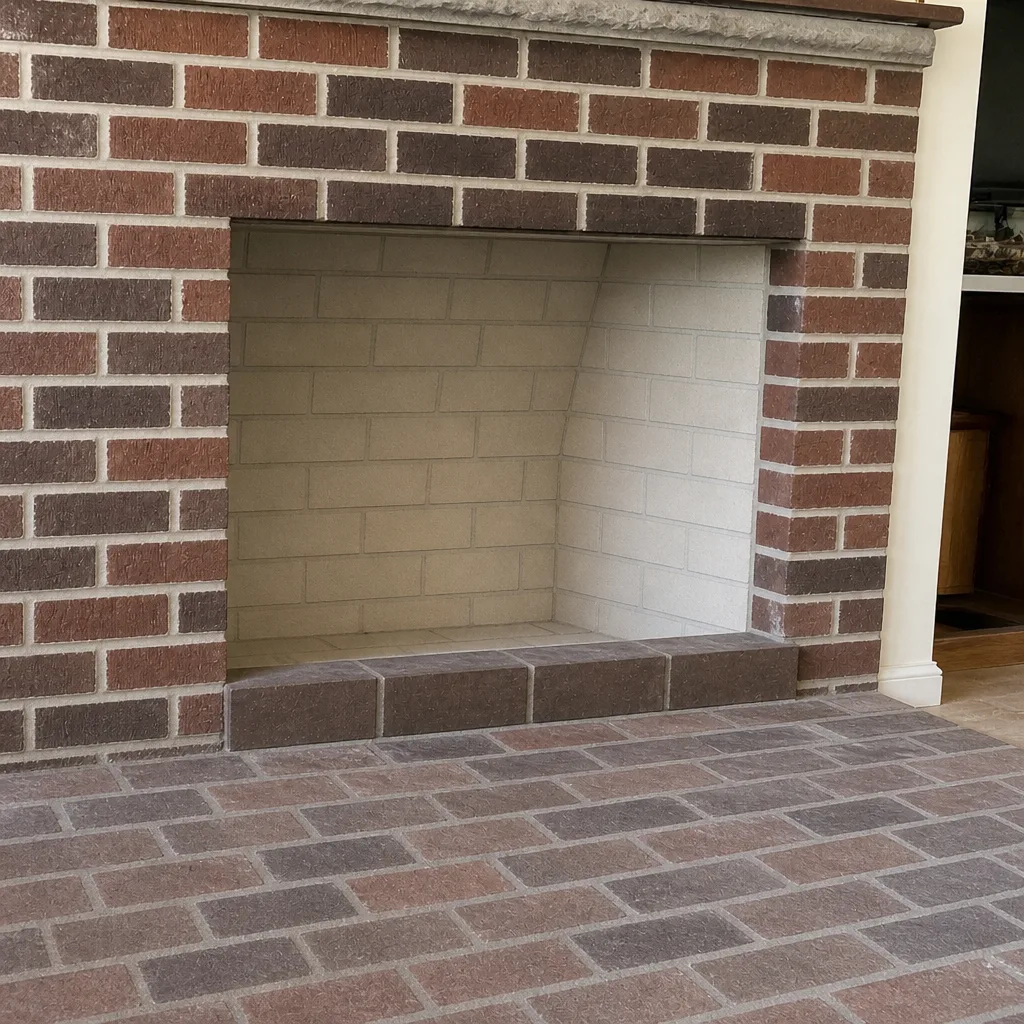 After
When to Call a Professional
Call a professional if your chimney is multi-story, has had a flue fire, sits on a pre-1980 home with terracotta liner, has been converted from oil to gas, or has never been professionally inspected. Call if you’re seeing water stains, smoke escape, or a smell inside the house that wasn’t there last year. Call if you want a baseline inspection report with photos you can compare against future years. Call if you’re not sure which category you’re in, because that’s a sign a professional eye is worth the cost of the visit.
Redmond Chimney Sweep offers free estimates in Redmond, and we’ll tell you honestly whether DIY is fine for your setup or whether the chimney needs professional hands. Our technicians have up to 12 years of experience, and we work with the brands professionals trust, including Gelco, Olympia Chimney, and Famco. Call (877) 492-1807 for a free estimate. We answer 24/7. Fast dispatch from 7am to 7pm, Sunday through Friday.
Frequently Asked Questions
Yes, in some cases. DIY chimney cleaning is reasonable for a single-story home with a straight accessible flue, a clean-burning gas insert or light wood use, and a recent professional inspection on record. It’s not reasonable for multi-story chimneys, oil-to-gas conversions, any chimney that’s had a flue fire, or pre-1980 homes with terracotta liners. If you’re not sure which category you’re in, call (877) 492-1807 for a free estimate; we’ll tell you honestly.
You miss the diagnostic work that makes cleaning meaningful. A brush removes soot, but a professional inspection checks liner integrity, flue joint gaps, crown and cap condition, blockages behind the smoke shelf, and water staining inside the chimney. Any of those can be a real problem even on a flue that looks clean from the firebox. Call (877) 492-1807 for a free estimate; the inspection tells you whether the flue is actually safe.
A capable DIY kit (rotary brush system, drop cloths, HEPA vacuum, inspection light, respirator) usually costs more than one professional visit for a typical Redmond home. The math tilts toward DIY over many seasons or with multiple flues. For a single annual clean, a professional visit is usually the more practical choice, and the inspection is bundled in. Call (877) 492-1807 for an exact quote on a Redmond visit, and the estimate is free.
Most chimneys need sweeping once a year, and heavier wood burners may need it more often. Gas units often need the inspection more than the clean. The general rule is annual inspection, and annual cleaning if there’s enough buildup to warrant it. Because Redmond winters are wet, the annual inspection is also your yearly chance to check crown and cap condition before the rains. Call (877) 492-1807 for a free estimate on your next sweep.
Creosote accumulates season after season, and at third-degree (glazed) it’s the fuel for a chimney fire. A failing liner or an open joint can also leak carbon monoxide into the home, which is the more dangerous outcome and one you cannot see. If your flue hasn’t been inspected in several years, that’s the call to make. Call (877) 492-1807 for a free estimate, and we can flag what’s safe to wait on and what isn’t.
Some policies require documented professional inspection or cleaning for wood-burning chimneys, and others don’t. The honest answer is: check your policy. It varies by insurer and by coverage. If your policy requires documentation, the professional inspection report (with photos) is typically the record you’ll want to keep. Call (877) 492-1807 for a free estimate and we can walk you through what a documented inspection includes.
The Bottom Line
DIY chimney cleaning is doable for a simple setup and a careful owner, and we won’t pretend otherwise. What DIY cannot do is the inspection work that tells you the chimney is safe, and the inspection is where the real value sits. If your chimney is straightforward, single-story, recently inspected, and lightly used, the yearly clean is within reach. If any of the red flags apply (multi-story, flue fire history, oil-to-gas conversion, pre-1980 terracotta), treat it as a professional task every year. Either way, get a professional inspection on record every few years, with photos, so you’re comparing against something. That record is the difference between a clean chimney and a known-safe one. If you want a baseline inspection on your Redmond home, or you’re ready to switch to professional service, call Redmond Chimney Sweep at (877) 492-1807 for a free estimate. One company for the entire chimney system – sweep, inspect, repair, restore. Learn more about Redmond Chimney Sweep.
Written by the team at Redmond Chimney Sweep.