
Last updated November 25, 2026
 Sweep & inspection
 Caps & crowns
 Flue relining
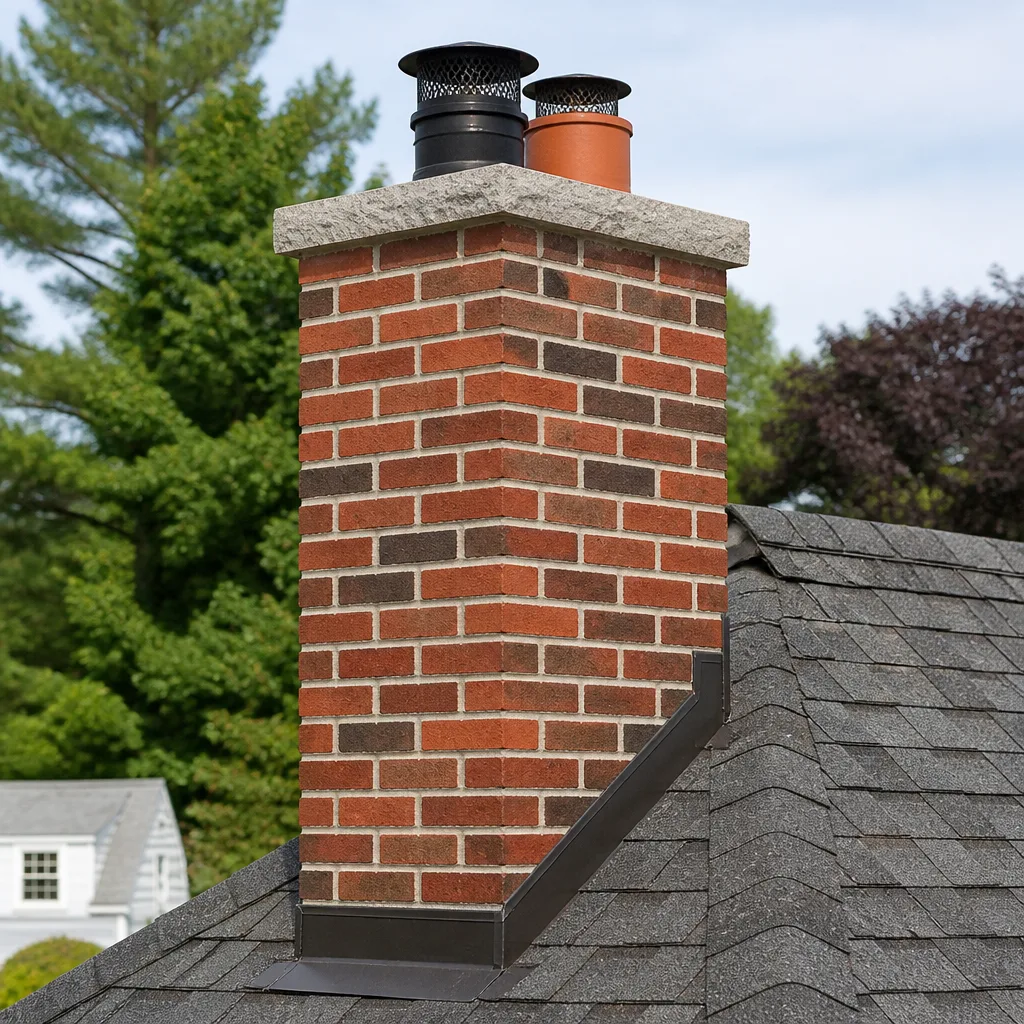 Masonry repair
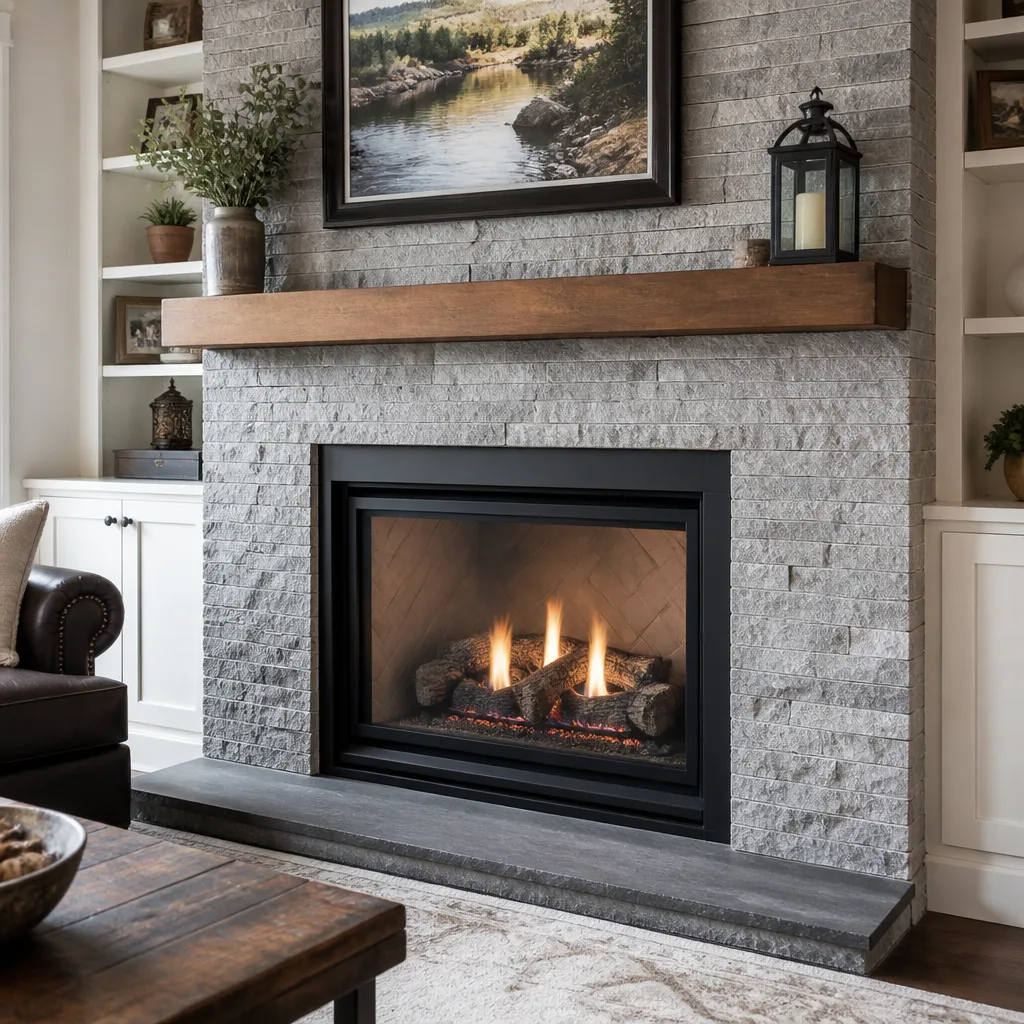 Gas fireplace service
Level 1 sweep and inspection to the NFPA 211 annual standard - flue, crown, cap, and flashing checked and photographed
Chimney sweep logs do not sweep chimneys. They loosen some creosote - which then falls where a brush and vacuum still have to collect it.
Chimney Cleaning Permits, Codes & Inspections in Redmond, WA: What You Need to Know
If a chimney company replaced your liner last year without pulling a City of Redmond mechanical permit, that work is technically unpermitted, and it may show up as a defect flag on your next home inspection. Most homeowners assume anything a chimney technician does inside the flue is routine maintenance. That’s only half true. Cleaning and inspection sit firmly in the maintenance column, no permit required. Relining, firebox reconstruction, insert installation and structural masonry repair cross into regulated work, and knowing which is which protects your investment, your insurance coverage and your ability to sell. This guide draws that line clearly for Redmond homeowners.
Quick Answer
Routine chimney cleaning and inspection in Redmond, WA do not require a permit; they are maintenance. Permits are typically triggered by liner replacement, firebox rebuilding, gas or wood insert installation, and structural masonry repair, and those permits usually run through the City of Redmond’s building department with work inspected against NFPA 211. Washington inspectors and code officials reference NFPA 211 as the technical standard for chimneys, fireplaces and vents, and Puget Sound Clean Air Agency rules add a separate layer governing what you’re allowed to burn during burn bans.
Styles & brands we work with
- Sweep & inspection
- Caps & crowns
- Flue relining
- Masonry repair
- Gas fireplace service
Table of Contents
- Where the Permit Line Actually Falls in Redmond
- Which Authority Governs Different Chimney Work in Washington
- The Four Permit Trigger Points That Catch Homeowners
- NFPA 211: The Standard Inspectors Reference
- How to Verify a Permit Was Pulled and Finaled Before Buying
- Puget Sound Clean Air Agency and Burn Bans
- Inspection Levels and What Each One Tells You
- Keeping Chimney Records for Resale
Where the Permit Line Actually Falls in Redmond
The permit line follows one question: does the work alter the chimney system’s structure, its venting performance, or its fire-separation properties? If the answer is yes, a permit is typically required. If the answer is no, it’s maintenance. That’s the principle Washington code officials and municipal building departments apply, and it’s the same test Redmond inspectors use when they evaluate chimney and venting work.
Here’s the practical split. On the maintenance side you’ll find sweeping, a Level 1 or Level 2 inspection, cap and crown installation in many cases (though crown work involving structural masonry can cross the line), minor damper adjustments, and the replacement of a cap screen or storm collar. None of these change how the system vents or how it’s built into the house. They restore or protect existing performance.
On the regulated side you’ll find:
- Liner replacement or relining. A new flue liner is a structural component of the venting system. It determines clearances, capacity and safety of the flue. Permits are typically required.
- Firebox rebuild. Rebuilding the firebox masonry changes the appliance’s structural envelope and affects its fire-separation function. Regulated.
- Insert installation. A wood or gas insert has its own listing, its own clearances and its own venting requirements. Installing one is not a swap; it’s a regulated appliance install.
- Structural masonry repair. Repointing a hairline crack in the crown is one thing. Rebuilding a chimney stack, replacing a section of flue tile, or repairing a compromised firebox wall is another.
We’ve seen Redmond homeowners authorize relining work over the phone without ever asking whether a permit was pulled. It’s an easy gap to fall into because the company that quoted the work rarely volunteers the permit conversation. Ask directly, before the work starts. The answer tells you a lot about how the company operates.
One note on jurisdiction: the City of Redmond has its own building department, and that’s where permits for most residential chimney work within city limits are filed. Unincorporated King County addresses fall under King County’s permitting authority. Larger or more complex projects involving commercial appliances or historic structures can pull in additional review. If you’re not sure which department governs your address, the safest answer is to call the city and ask directly.
Which Authority Governs Different Chimney Work in Washington
Washington doesn’t have one universal chimney authority. Depending on the work and where you live, three layers can apply, and understanding which one governs what saves confusion. From our side of the work, the clearest way to explain it is by work type.
The local building department (City of Redmond, or King County if you’re on unincorporated land) issues building permits and performs inspections. This is the authority that matters most for residential chimney work. When a liner replacement, insert installation or firebox rebuild happens at a Redmond home, the permit and inspection typically come from this layer. If the work isn’t permitted, it isn’t inspected, and an inspector who never saw the job can’t confirm it was done to standard.
The Washington State Fire Marshal’s Office maintains jurisdiction over certain fire-safety matters and maintains the state’s adoption of model fire and building codes. NFPA 211 is the standard those codes reference for chimney and venting requirements. The fire marshal’s role is generally one of adoption and oversight, not day-to-day permit issuance for residential work.
Puget Sound Clean Air Agency (PSCAA) governs what you can burn and when, not how the chimney is built. That distinction matters, because a homeowner can have a perfectly permitted, fully code-compliant chimney and still be in violation of an active burn ban the moment they light a fire. We’ll cover that in detail below.
The Four Permit Trigger Points That Catch Homeowners
In our experience, four specific types of chimney work account for most of the unpermitted repair work we find in Redmond homes. Each one is a change to the chimney system’s regulated components, which is why each one goes through the city.
-
Liner replacement. A new liner is a structural venting component. When we install a DuraFlex liner or resurface a flue with HeatShield, the work changes how the chimney vents and must meet NFPA 211 clearances. That’s why relining is typically a permitted job. Skipping the permit means no third-party confirmation that the liner was sized, listed and installed correctly.
-
Firebox rebuild. Rebuilding a damaged firebox is more than patching a crack. The firebox protects the surrounding masonry and framing from direct flame and heat. When it’s rebuilt, the shape, thickness and material matter. A rebuild without inspection is a rebuild without a safety check.
-
Gas insert installation. A gas insert brings its own venting requirements, its own clearances to combustibles and its own electrical or gas connections. Installations that skip permitting often skip the clearance verification that keeps the appliance safe. This is the trigger we see the most, because gas inserts feel like a simple appliance swap.
-
Structural masonry repair. Rebuilding a chimney stack above the roofline, replacing damaged flue tiles, or repairing a compromised firebox wall all affect the chimney’s structure. Structural work enters the building permit world.
The consequences aren’t abstract. Unpermitted work can complicate a home sale when a buyer’s inspector flags it, can complicate insurance claims after a chimney fire, and can mean a homeowner paid for a repair that doesn’t meet code. If you’ve inherited a home with a newer liner, a newer insert or a rebuilt firebox without documentation, it’s worth having the work reviewed.
NFPA 211: The Standard Inspectors Reference
NFPA 211 is the Standard for Chimneys, Fireplaces, Vents and Solid Fuel-Burning Appliances. It’s the technical reference Washington inspectors and code officials use when evaluating chimney work, and it shapes what a compliant installation looks like for different appliance types. You don’t need to read it, but understanding what it covers helps you understand why the work requires inspection.
NFPA 211 establishes three inspection levels, which we’ll spell out separately. It also sets the technical requirements for clearances to combustibles, flue sizing for specific appliances, chimney height and termination, and the materials acceptable for venting different fuel types. A wood-burning appliance has different venting requirements than a gas appliance. A factory-built fireplace has different clearances than a masonry fireplace. A high-efficiency gas insert has different venting needs again.
For homeowners, the practical takeaways from NFPA 211 are these:
- A flue must be sized appropriately for the appliance it serves. Too large or too small creates problems.
- Clearances to combustible materials (framing, sheathing, roofing) must be maintained. This is one of the most common unpermitted-work failures we find.
- The chimney must terminate at the correct height above the roof and nearby structures to draft correctly.
- The venting materials must be listed for the fuel type and appliance.
When you hire for relining or firebox work, ask whether the technician will reference NFPA 211 in the write-up. A company that works with listed products like DuraFlex or HeatShield and documents its work against the standard is showing its homework. That’s part of why we work with the professional-grade lines we do; supplier relationships with brands like Famco and Copperfield align with how certified chimney work is specified.
One more thing about NFPA 211: it’s a technical standard, not a local law. The City of Redmond adopts model codes that incorporate it by reference, which is why inspectors use it as their technical benchmark. If you’re ever unsure whether a repair requires a permit, you can ask your building department directly and ask what standard they’ll apply. In most cases the answer will land squarely in NFPA 211.
How to Verify a Permit Was Pulled and Finaled Before Buying
If you’re buying a Redmond home with a newer liner, insert or firebox, verifying the permit is one of the most valuable checks you can do. It’s not difficult, and it takes a few direct steps. Here’s the sequence.
- Ask the seller in writing. Ask for the permit number, the name of the contractor who did the work, and any inspection records. A seller who has them will share them quickly. One who doesn’t may not have pulled a permit.
- Call the City of Redmond building department. Provide the address and ask for any chimney-related permits on file. If the permit was pulled, the department can tell you whether it was finaled (inspected and closed) or still open. An open permit is a red flag; a never-permitted job is a bigger one.
- Check unincorporated King County records if you’re outside city limits. Same process, different department.
- Ask for the inspection report from the contractor. If the work was permitted, the contractor or seller should be able to produce the inspection result. If it wasn’t, don’t accept “it passed inspection” without paperwork.
- Get a Level 2 inspection before closing. A Level 2 inspection documents the current condition of the chimney and its system components, and it’s a standard part of real-estate chimney checks. It tells you what the permitting record can’t: whether the installed components are working as intended today.
If the work was unpermitted but professionally done and safe, it’s not necessarily a deal-killer. It is leverage for the buyer and a risk for the seller who hoped it wouldn’t come up. When we look at a chimney, we can often spot unpermitted work simply from the installation details. The report then tells the buyer exactly what they’re inheriting. If you’d rather have a full evaluation done on a home you’re buying, a straightforward chimney sweep plus a documented inspection is the place to start.
Puget Sound Clean Air Agency and Burn Bans
Permitting governs how your chimney is built. Puget Sound Clean Air Agency (PSCAA) governs what you’re allowed to burn and when, and that’s a separate rulebook. Both can apply to the same stove. A perfectly permitted chimney can still be in violation of an active burn ban. Understanding the burn-ban layer matters for Redmond homeowners because Redmond sits within PSCAA’s jurisdiction and the agency issues burn bans during periods of poor air quality.
The rules divide roughly into three areas:
- What you can burn. Only clean, dry, seasoned firewood is allowed in wood-burning appliances in most cases. Burning garbage, treated lumber, painted scrap, plastic, or materials with adhesives or coatings is not allowed, and it’s not just a code issue; those materials release compounds that damage your flue and create real health concerns.
- When you can burn. PSCAA issues burn bans when air quality is forecast to be poor. Bans apply to wood-burning appliances, and sometimes the ban is limited to certain types of appliances while allowing others. The agency publishes ban status publicly, and the status can change quickly.
- What appliance you can burn in. Newer appliances that are certified by the EPA for lower emissions are generally allowed during more restrictive ban stages than older, uncertified appliances. If you’re buying or replacing an appliance, ask about its emissions certification.
In our experience the most common burn-ban violation is not intentional. A homeowner burns a mix of wet or treated wood because they didn’t know better, or doesn’t realize a ban is active on the day they light the fireplace. It’s worth checking PSCAA’s status before you burn during the colder months, especially in December and January. The agency is also where you confirm what’s allowed under the current ban stage if you’re uncertain.
Inspection Levels and What Each One Tells You
Chimney inspections come in three recognized levels, and knowing which one you’re getting keeps you from paying for a service that doesn’t tell you what you need to know. The levels come from NFPA 211 and the language of the inspection is exactly what you’ll hear from any qualified technician.
Level 1 Inspection. This is the standard inspection done during an annual visit, and it covers the readily accessible portions of the chimney and its appliance. It’s appropriate when the appliance is in continuous service, no changes have been made to the system and no problems are suspected. For many Redmond homeowners who burn regularly and keep their chimney maintained, this is what the annual visit includes.
Level 2 Inspection. This is the deeper inspection, and it covers the accessible portions plus video assessment of the flue’s interior. It’s called for when you change appliances, during a real-estate transaction, after a chimney fire or earthquake, or when a problem is suspected but not yet confirmed. We use a camera so the homeowner sees the flue interior; when liner issues come up, that footage is the basis for recommending relining or a HeatShield resurfacing application.
Level 3 Inspection. This inspection goes beyond the accessible portions and may involve removing components of the chimney or surrounding structure to investigate an area that Level 1 or Level 2 inspection indicates is a concern. Level 3 is rarely done and is reserved for specific suspected problems.
In our experience, the value of any inspection is documentation. A Level 2 inspection with a written report and photo or video record gives the homeowner something to reference, and gives the buyer or seller in a home transaction something to work from. That report is also what a permitting department wants if a past job’s compliance comes up.
Keeping Chimney Records for Resale
Chimney documentation doesn’t sell a home by itself, but its absence can slow a sale or expose a seller to rework. The pieces worth keeping are few and easy to organize.
Keep the permit number and inspection result for any liner replacement, insert installation, firebox rebuild or structural masonry repair. Keep the written inspection reports from the annual visits, including the photo or video record from any Level 2 inspection. Keep the installation paperwork for any insert, cap or crown, including the product listing. And keep a simple log: the date of each service, what was done, and who did it. In Redmond, where home inspections in the current market routinely flag chimney systems, having this file ready is worth more than most sellers expect. A home inspector who sees a clean paper trail on the chimney moves on quickly. One who sees a newer liner with no permit asks questions.
Common Mistakes to Avoid
- Assuming cleaning requires a permit. It doesn’t. Treating a routine chimney sweep as permitted work overcomplicates a simple maintenance visit. Sweep, don’t permit.
- Assuming relining doesn’t. A liner replacement is the most common unpermitted chimney job we find in Redmond. Ask before the work starts, not after.
- Accepting “we handle it” without a permit number. A contractor who says permits aren’t needed for relining is a red flag. Ask for the permit number once the work is scheduled.
- Skipping the burn-ban check. A permitted chimney can still be used in violation of a PSCAA ban. Check the agency’s status before lighting a fire during colder months.
- Burning the wrong fuel. Treated lumber, painted scrap and material with adhesives create real flue problems and violate burn rules. Seasoned firewood only.
- Waiting for a home inspection to find the problem. If you’re selling in Redmond, get a Level 2 inspection before the buyer’s inspector does. It gives you time to fix what’s found.
- Assuming warranty covers unpermitted work. Many homeowners find out the hard way that unpermitted chimney work isn’t covered after a fire. Read the policy language; it usually requires code-compliant installation.
See the difference
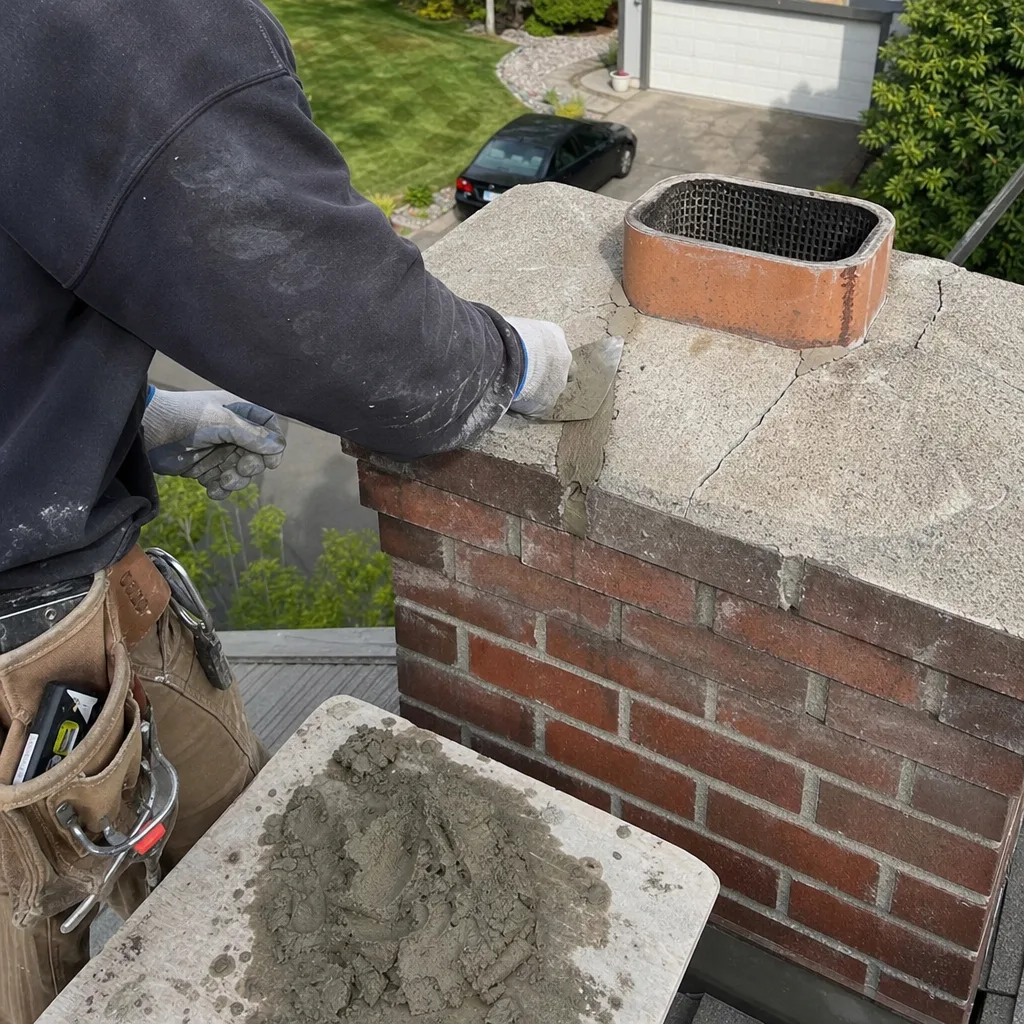
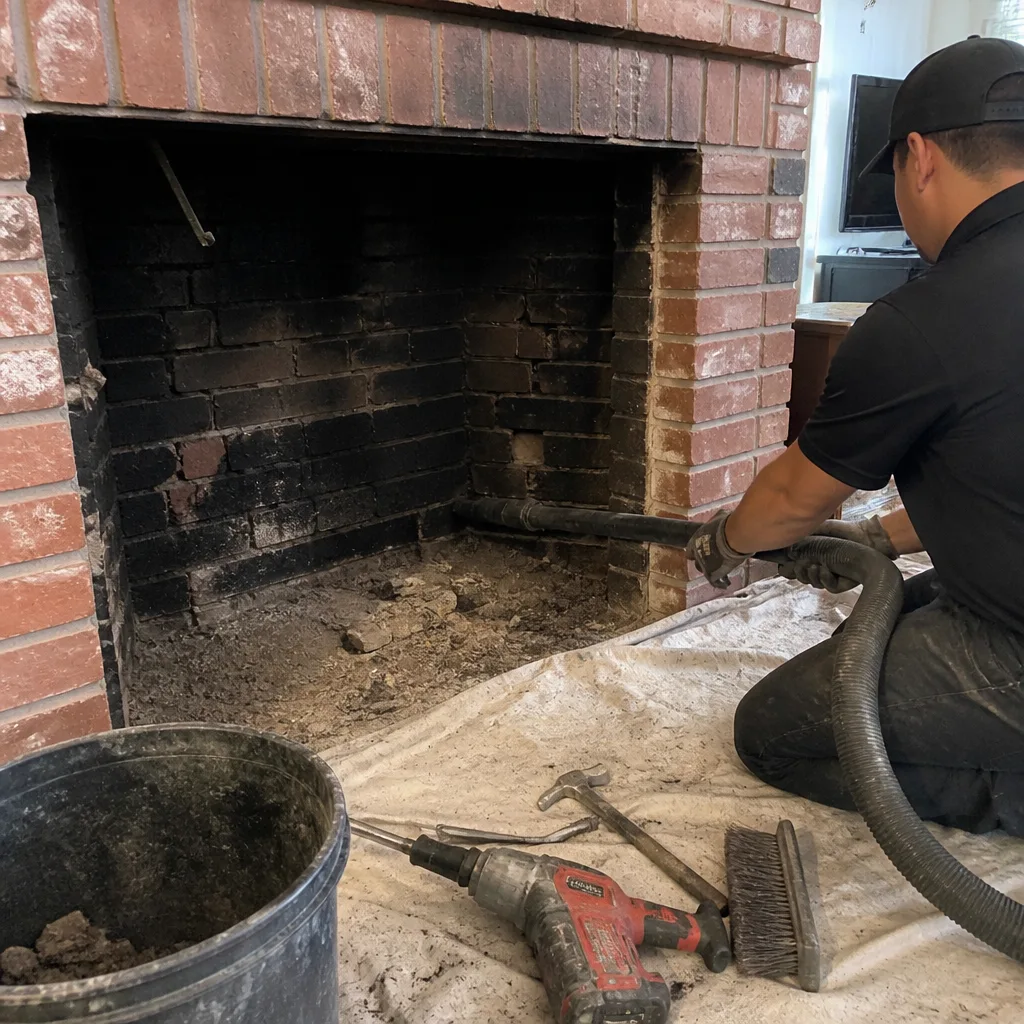 Before
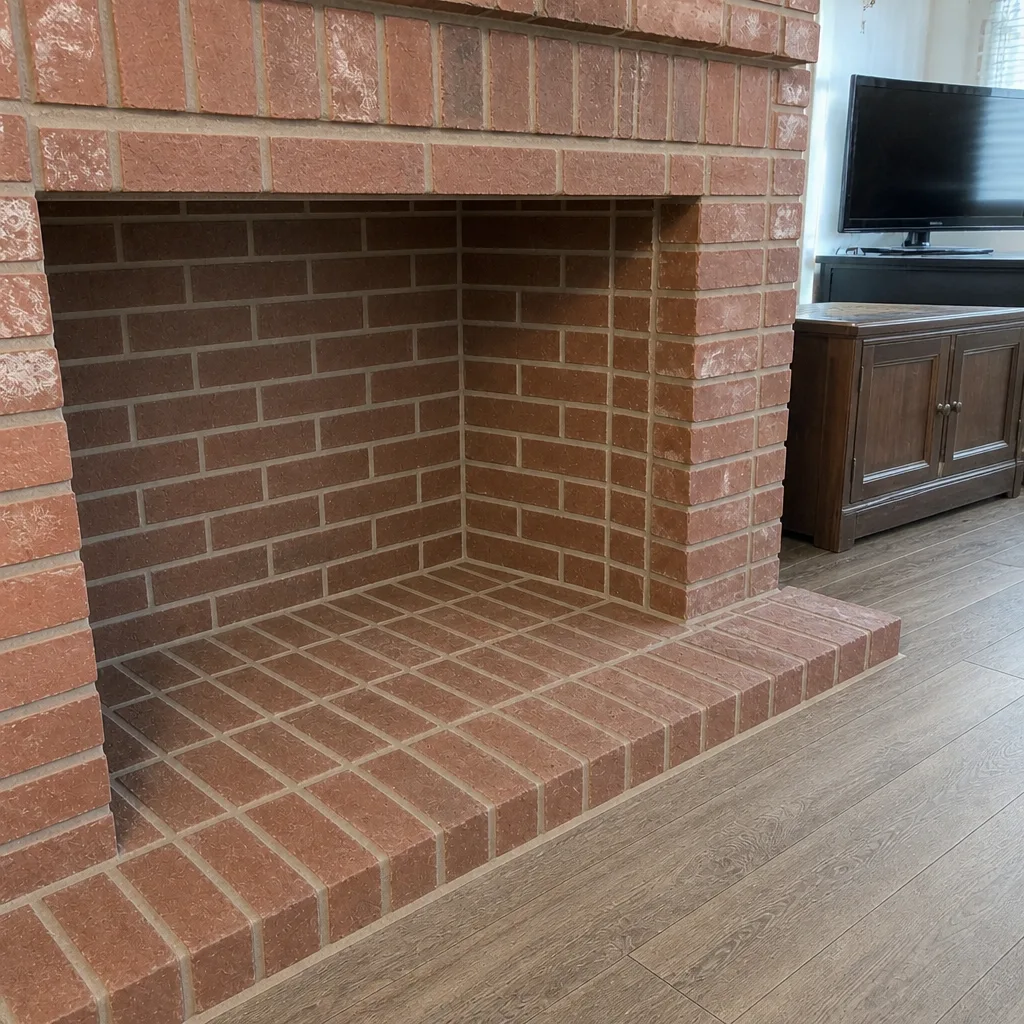 After
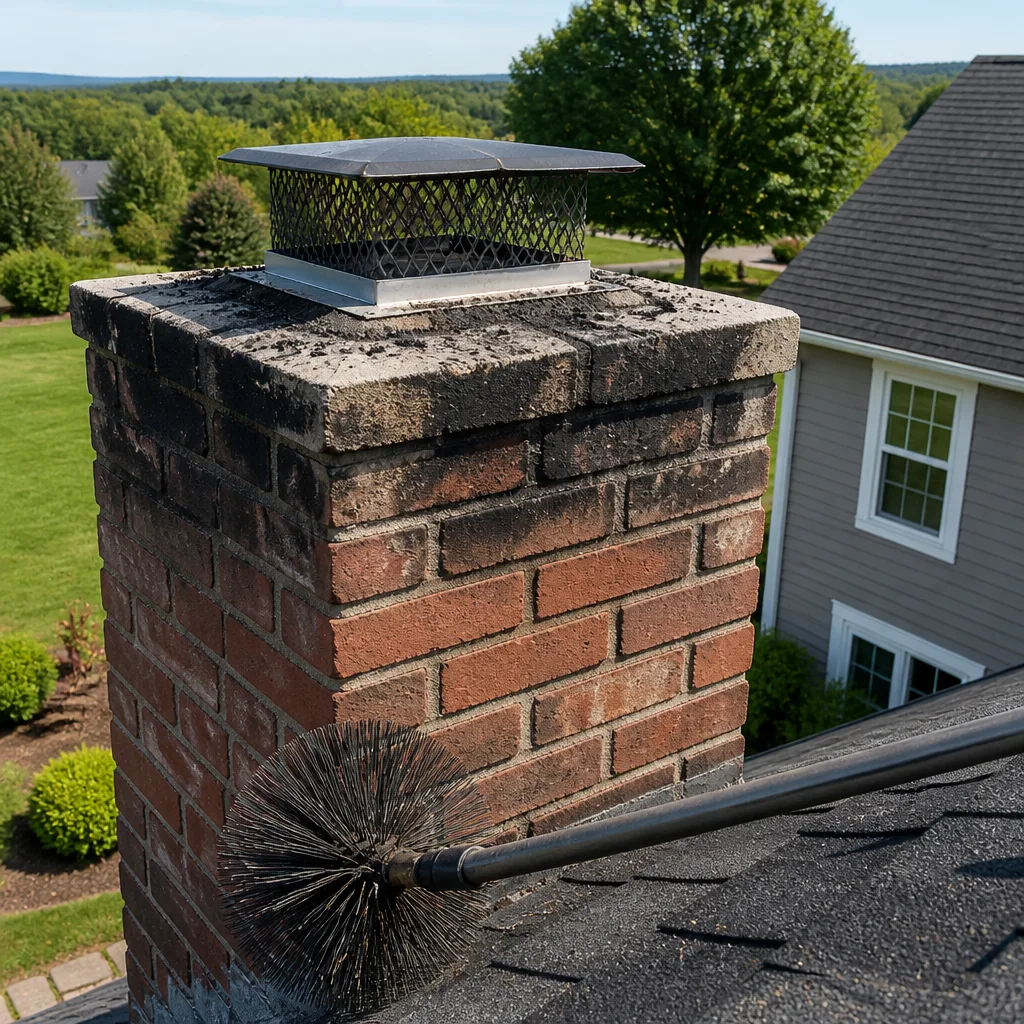
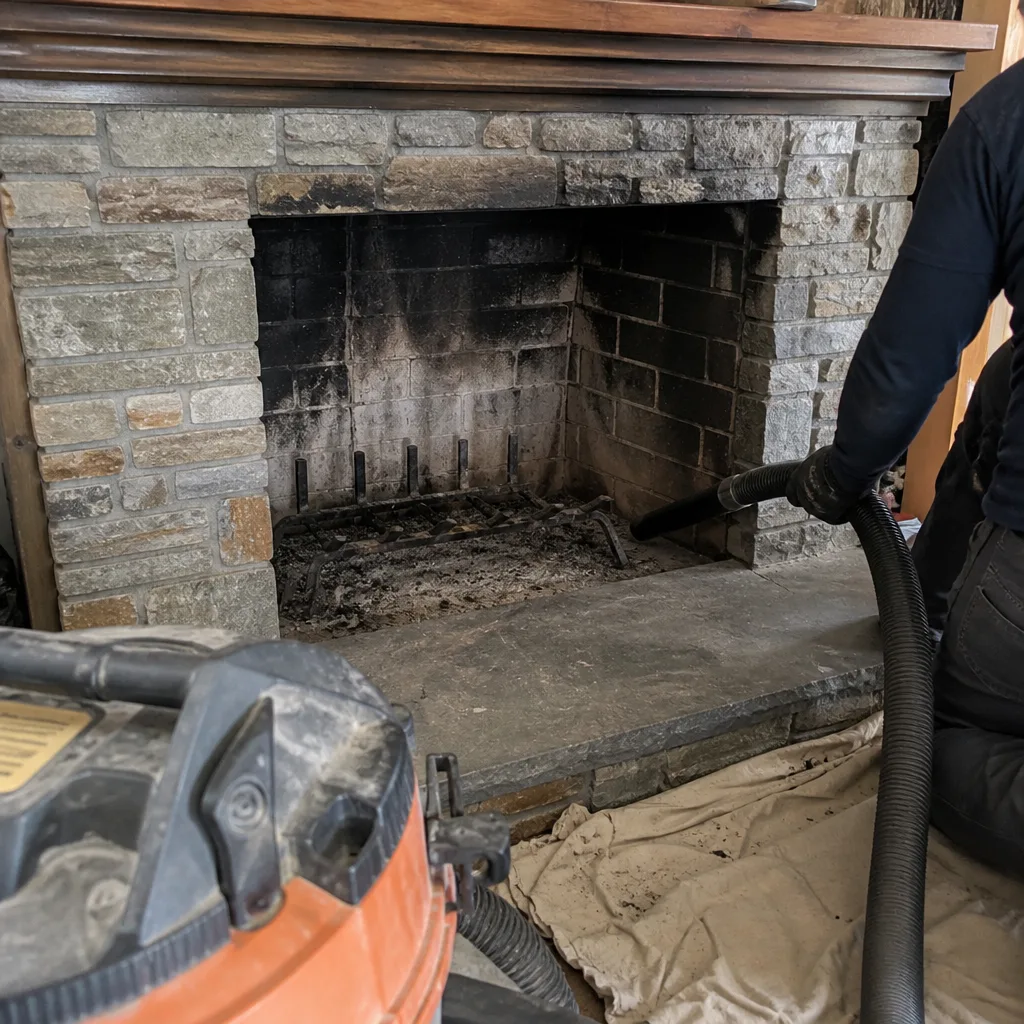 Before
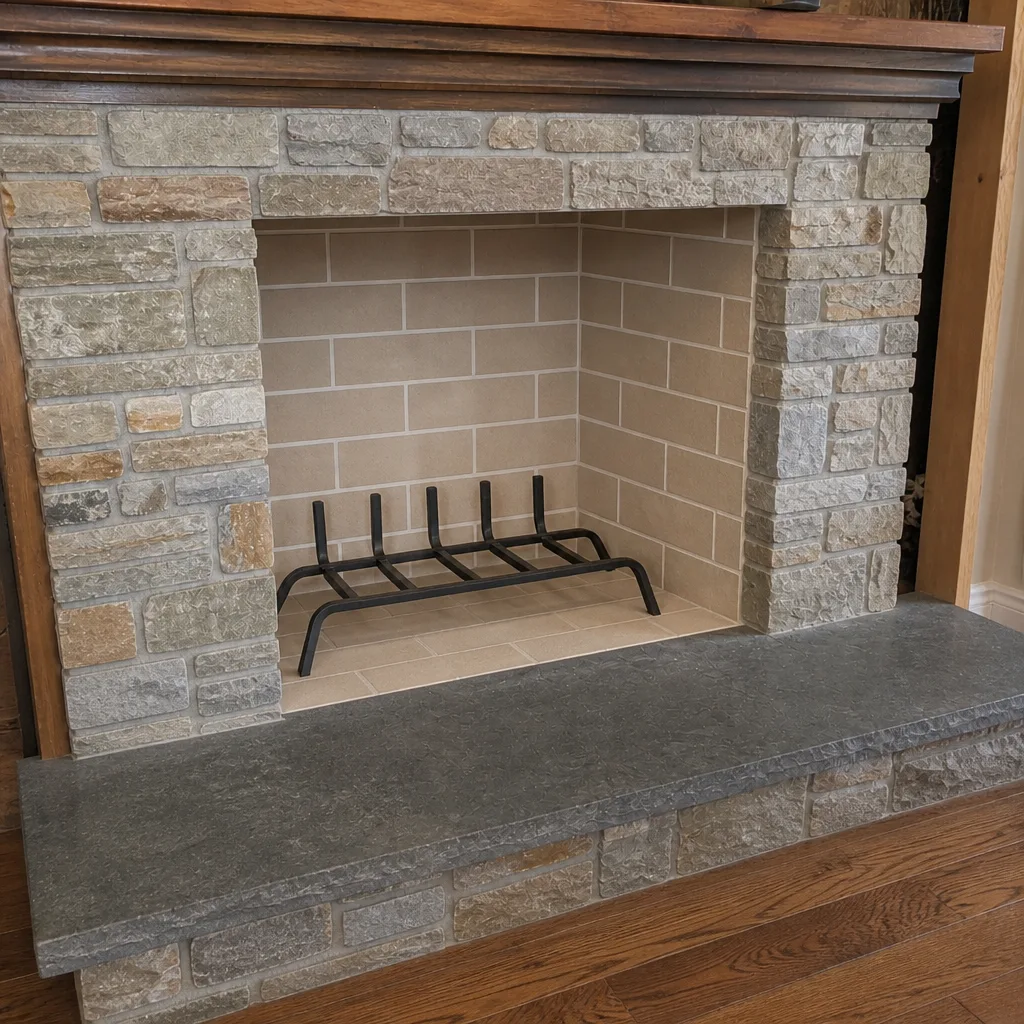 After
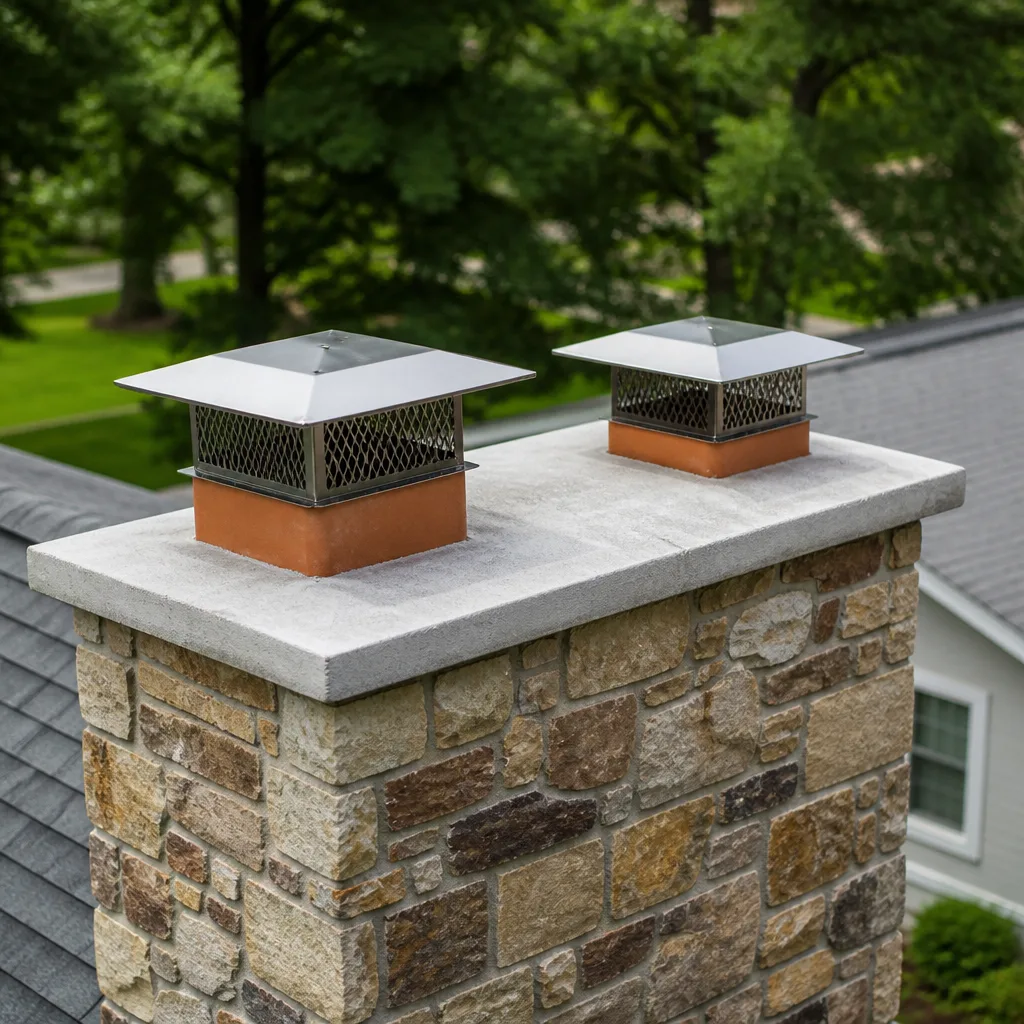
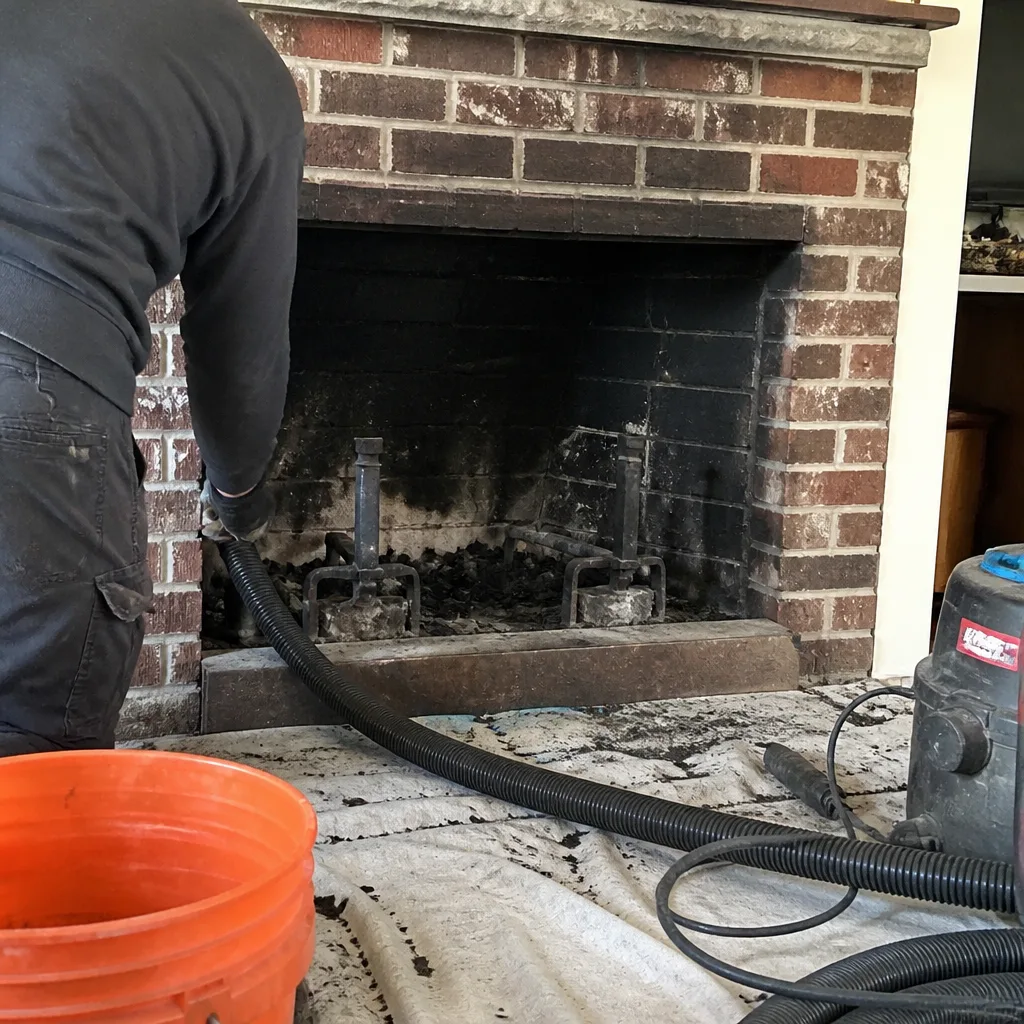 Before
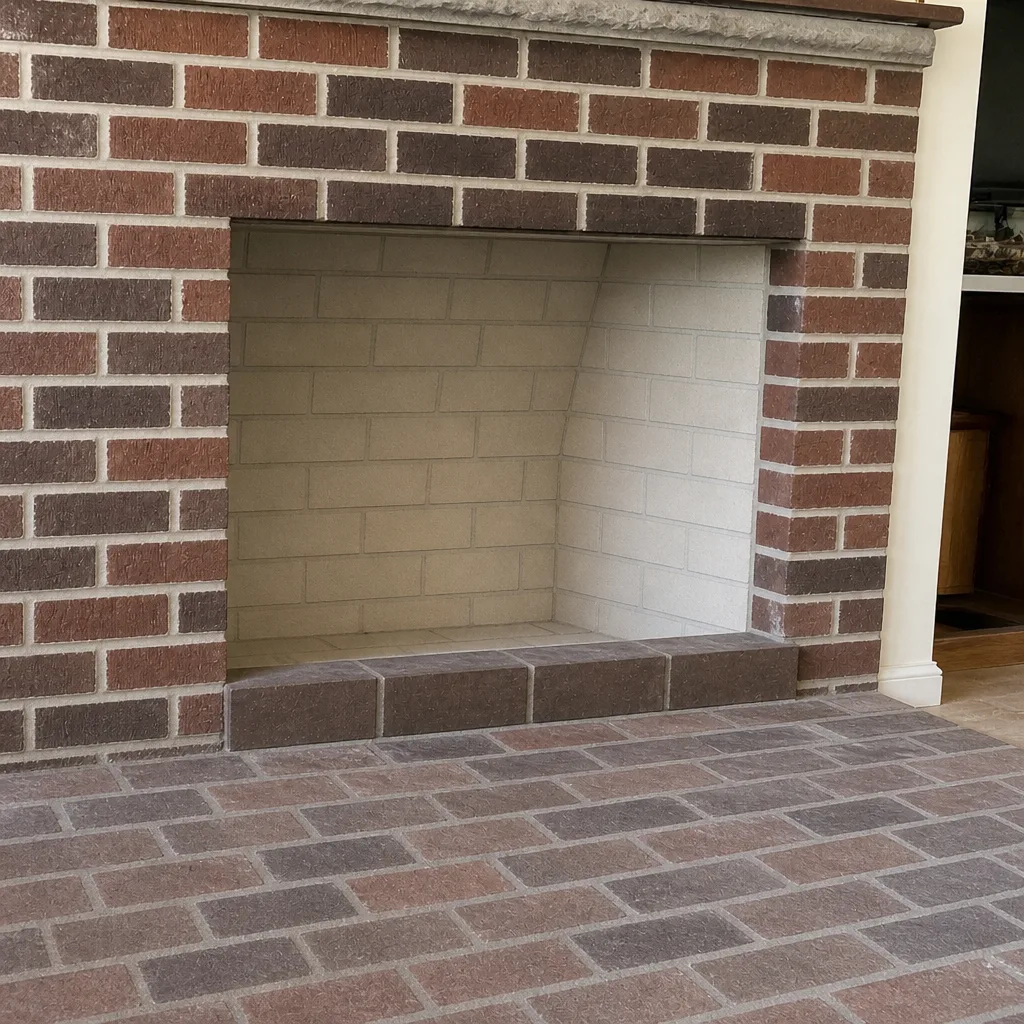 After
When to Call a Professional
Call a professional when you’re buying or selling a Redmond home with a chimney, when a liner replacement or firebox rebuild was done without documentation, when you’re installing a gas or wood insert, or when you see signs of structural damage to the chimney or firebox. Call if you notice a strong creosote smell, visible cracking in the flue, or a chimney cap and crown that look compromised; the latter is where we see most water-intrusion damage begin. And call after any chimney fire, even one that seemed minor. Redmond Chimney Sweep offers free estimates in Redmond; call (877) 492-1807. We answer 24/7. Fast dispatch from 7am to 7pm, Sunday through Friday. For the parts of the system outside the flue, our chimney cap & crown and fireplace repair services cover work that many companies outsource. If you’re starting from scratch, Redmond Chimney Sweep covers the whole system.
Frequently Asked Questions
No. Routine chimney cleaning and inspection in Redmond are considered maintenance and don’t require a permit. Permits are triggered by work that alters the chimney’s structure or venting, such as liner replacement, firebox rebuild, insert installation, or structural masonry repair. Call (877) 492-1807 for an exact quote on any service; estimates are free.
Yes, in most cases. A new flue liner is a structural component of the venting system and is typically a permitted job under the City of Redmond’s building department, inspected against NFPA 211. Most liners we install, including DuraFlex and HeatShield applications, are documented to the standard. Ask any contractor for the permit number. Call (877) 492-1807 for a free estimate on liner work.
Call the City of Redmond building department with the address and ask for any chimney-related permits on file, then confirm whether each was finaled (inspected and closed) or still open. If the property is in unincorporated King County, check with the county instead. A Level 2 inspection will also tell you whether the installed components are working as intended today. Call (877) 492-1807 to book one.
NFPA 211 is the Standard for Chimneys, Fireplaces, Vents and Solid Fuel-Burning Appliances. Washington code officials use it as the technical benchmark for chimney and venting work, so inspections reference it directly. It covers clearances to combustibles, flue sizing, chimney height and the three inspection levels. Call (877) 492-1807 with questions about how it applies to your chimney; estimates are free.
It’s neither, strictly. Burn bans are issued by Puget Sound Clean Air Agency to govern what and when you can burn, while permits govern how the chimney is built. A fully permitted chimney can still be in violation of an active burn ban. Check PSCAA’s status before burning during colder months. Call (877) 492-1807 if you want your current chimney system evaluated for compliance readiness.
A Level 2 inspection is the standard for a real-estate transaction. It includes video assessment of the flue and captures the chimney’s current condition with photo or video documentation you can share with a buyer. A Level 1 inspection is fine for an annual visit when no changes are pending. Call (877) 492-1807 for a Level 2 inspection quote; estimates are free.
The Bottom Line
The permit line in Redmond is clear once you know where it sits: cleaning and inspection are maintenance, while relining, firebox work, insert installation and structural masonry repair are permitted work that goes through the City of Redmond and is inspected against NFPA 211. Keep your permit numbers and inspection reports, check Puget Sound Clean Air Agency for burn bans before burning, and don’t accept unpermitted work on a home you’re buying without a Level 2 inspection. If it turns out something on your chimney system was done without a permit, don’t panic; get it documented and, where needed, brought into compliance. Our technicians have up to 12 years of experience and see this in Redmond homes regularly.
Redmond Chimney Sweep handles the full chimney system: inspection, sweep, cap and crown work, liner restoration, fireplace repair and structural chimney repair. One company for the entire chimney system. Call (877) 492-1807 for a free estimate. We answer 24/7. Fast dispatch from 7am to 7pm, Sunday through Friday.
Written by the team at Redmond Chimney Sweep.