
Last updated November 25, 2026
 Sweep & inspection
 Caps & crowns
 Flue relining
 Masonry repair
 Gas fireplace service
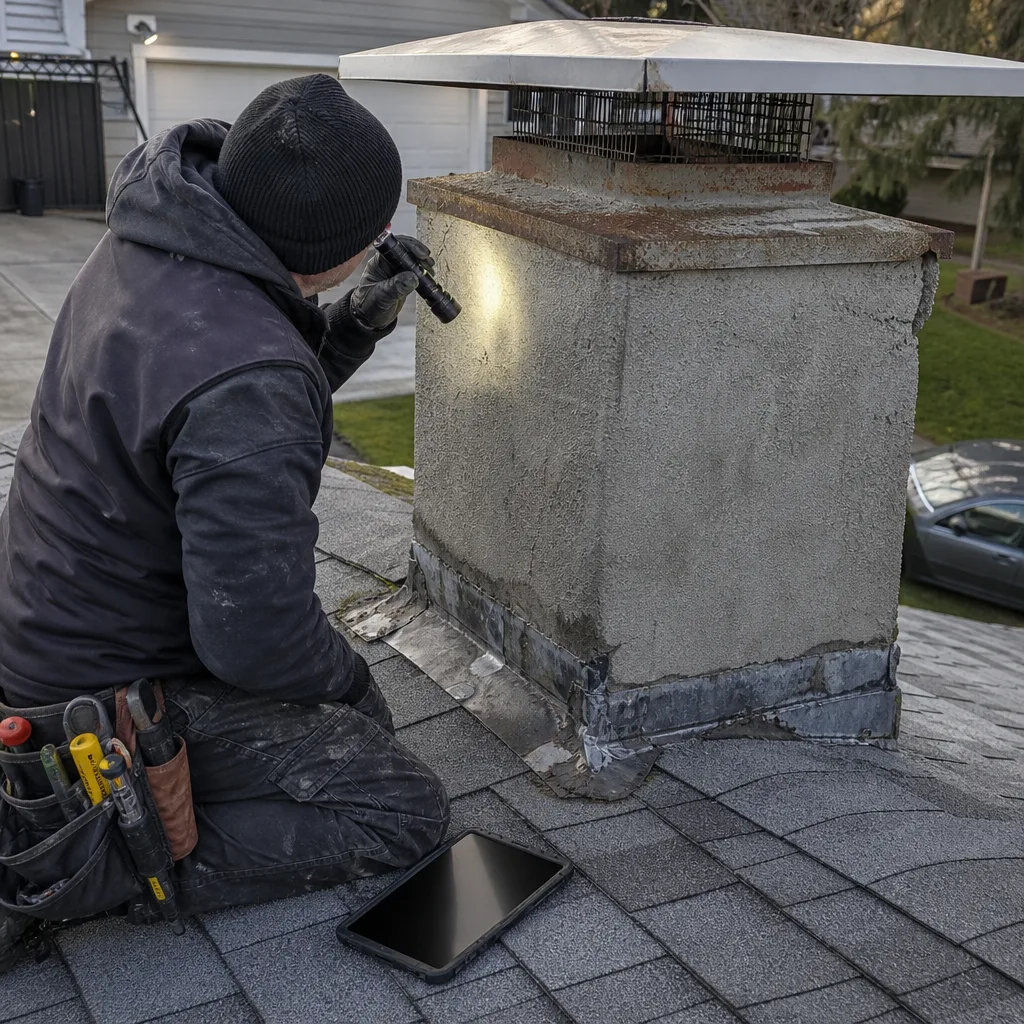
Level 1 sweep and inspection to the NFPA 211 annual standard - flue, crown, cap, and flashing checked and photographed
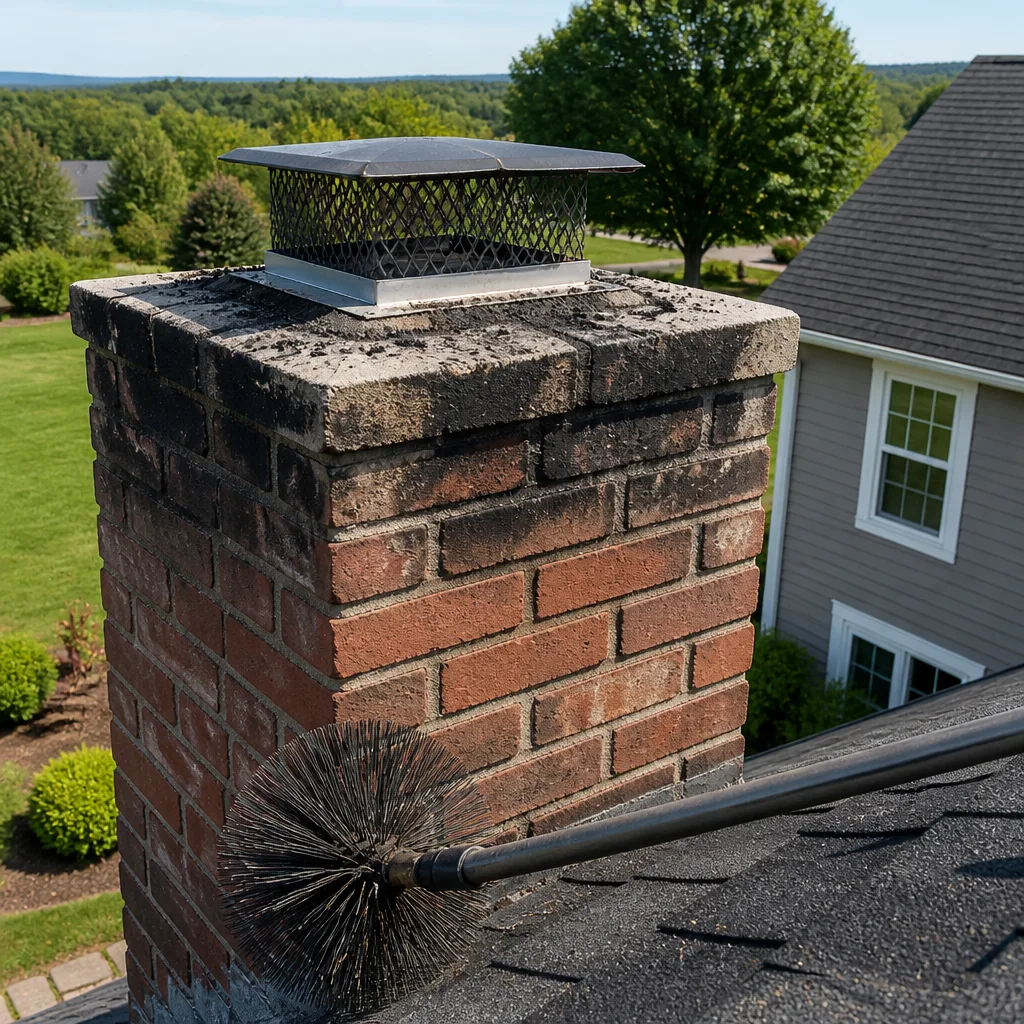
Chimney sweep logs do not sweep chimneys. They loosen some creosote - which then falls where a brush and vacuum still have to collect it.
Choosing the Right Chimney Cleaning Brand: A Buyer’s Guide for Redmond
Chimney sweeping logs are real products that do real chemistry. They’re not a scam, but they’re also not a substitute for a brush, and understanding exactly what they do (and don’t do) tells you exactly when they’re worth buying. Most homeowners who search for chimney cleaning products are trying to solve a problem themselves, and that instinct is reasonable. The trouble starts when an off-the-shelf product gets marketed as a replacement for mechanical cleaning. This guide breaks down every product category you’ll encounter, tells you honestly which ones work, which ones require a trained hand, and how to read a product recommendation from a sweep without feeling like you’re being sold something. We’ll also cover what actually matters for a Redmond chimney.
Quick Answer
The right chimney cleaning brand depends on what you’re actually trying to fix. Off-the-shelf creosote logs and sprays can slow creosote buildup between professional sweeps, but no consumer product replaces mechanical brushing. For liners, crowns, caps, and waterproofing, professional-grade products like HeatShield or a DuraFlex liner are specified by a technician because they require surface prep and correct application to work – and buying them at a hardware store won’t give you the same result as a trained application.
Styles & brands we work with
- Sweep & inspection
- Caps & crowns
- Flue relining
- Masonry repair
- Gas fireplace service
Table of Contents
- What chimney cleaning products actually exist? A category breakdown
- Do chimney sweeping logs work, and when are they worth buying?
- Chemical creosote sprays: what they can and can’t do
- Professional-grade products vs. hardware store equivalents
- What you can safely apply yourself vs. what needs a technician
- How to spot chimney product marketing that overpromises
- What it means when a sweep recommends a specific product line
- Waterproofing sealers, caps, and crowns: the water-intrusion side of chimney products
What chimney cleaning products actually exist? A category breakdown
The phrase “chimney cleaning products” covers five genuinely different product categories, and lumping them together is where most homeowner confusion starts. Each one solves a different problem, and mixing them up wastes money or, worse, lets a real issue go unaddressed.
Here’s the breakdown we walk Redmond homeowners through whenever this question comes up:
- Creosote-modifying logs. A manufactured log you burn in the firebox. The chemistry inside reacts with creosote deposits on the flue walls, making them more brittle and easier to brush away. Best use case: maintenance between annual sweeps in a wood-burning fireplace that sees regular use.
- Chemical cleaning sprays. Liquid or gel products applied to the flue interior, usually by a technician with a sprayer on a rod. They soften or dissolve glazed creosote that a brush alone can’t touch. Best use case: stage-two or stage-three creosote that has hardened into a glaze.
- Waterproofing sealers. Vapor-permeable coatings applied to the exterior masonry. They keep rain out while letting moisture inside the brick escape. Best use case: masonry chimneys showing efflorescence or spalling from repeated wetting.
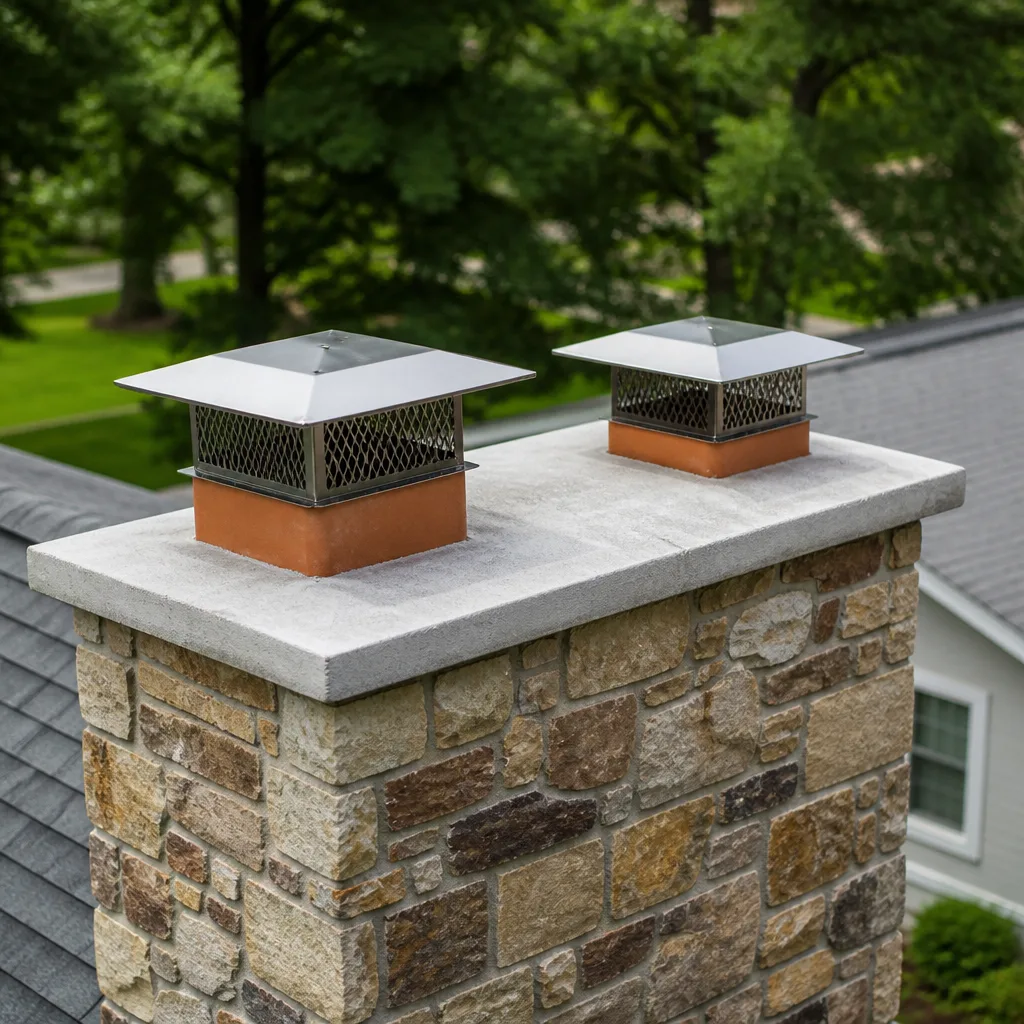
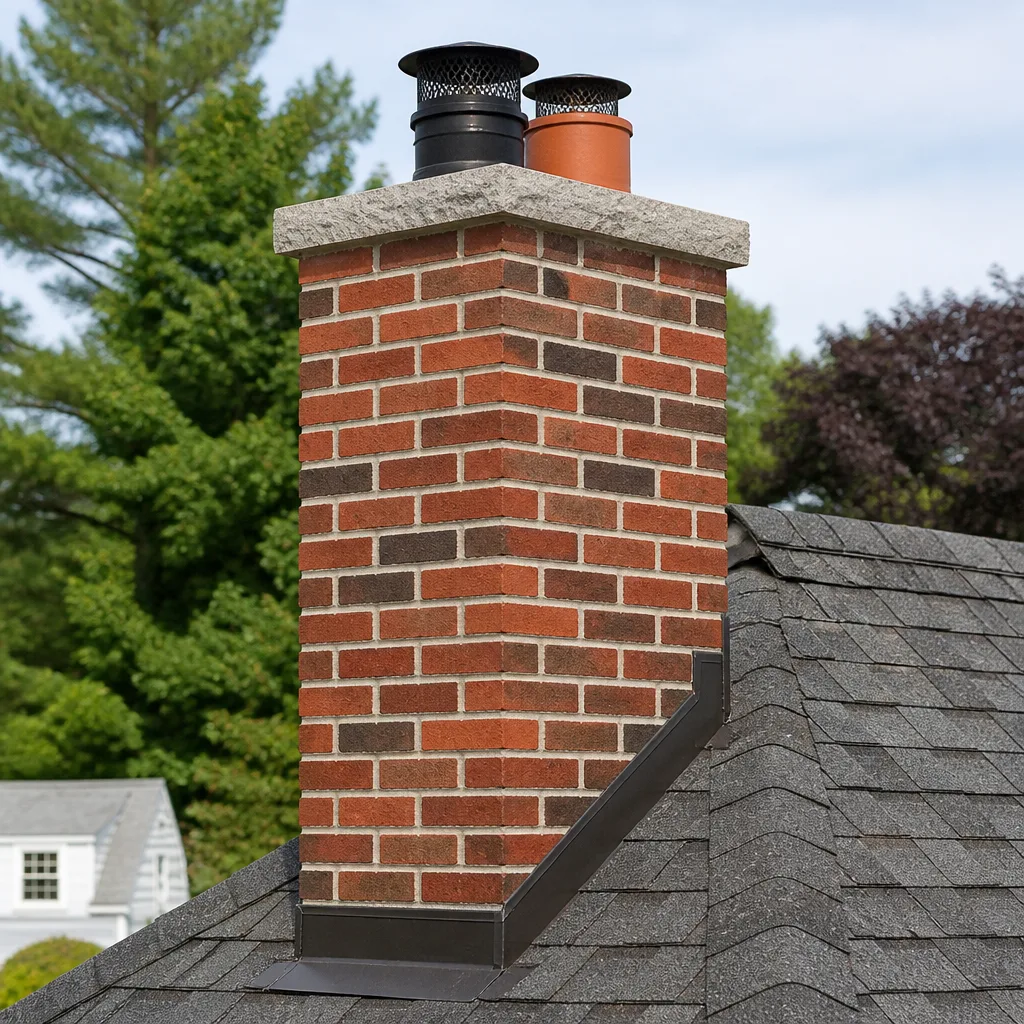
- Chimney caps. Metal or masonry covers that sit on top of the flue, keeping rain, animals, and sparks out. Best use case: every chimney that doesn’t already have one, honestly. A cap is the cheapest water-intrusion prevention available.
- Flue liner repair systems. Specialty resurfacing or relining products – HeatShield is the best-known – that rebuild a damaged clay liner from the inside without a full tear-out. Best use case: cracked or spalled flue tiles that are still structurally sound enough to receive the coating.
In Redmond, the product category that matters most depends on what your chimney is doing. Wood-burning fireplaces that get used regularly through the damp fall and winter tend to build creosote faster than a homeowner expects, so creosote modifiers and mechanical sweeping are the front-line tools. Masonry chimneys on the older homes closer to downtown Redmond, where exterior walls face prevailing wet weather, often need waterproofing and a proper cap before anything else. Liner repair is a case-by-case diagnosis, never a default recommendation.
Do chimney sweeping logs work, and when are they worth buying?
Yes, creosote-modifying logs work, but only in a specific, narrow role: they change the texture of existing creosote so a brush can remove it more easily. They do not clean your chimney. They do not sweep your flue. They do not replace a professional cleaning, and any product claiming otherwise is overpromising.
What the chemistry actually does is this: the log burns hotter and releases compounds that react with creosote deposits on the flue walls, causing them to become more porous and brittle. That brittle creosote is easier for a brush to knock loose during a proper sweep. It’s a preparatory measure, not a cleaning. Think of it as loosening the grime before you scrub, not as scrubbing.
Where it’s genuinely worth buying a creosote log in Redmond:
- You burn wood regularly through the heating season and want to keep creosote from hardening between annual sweeps.
- Your last inspection showed stage-one or light stage-two creosote, not glazed deposits. A log is a reasonable maintenance step at that level.
- You’re already committed to an annual sweep. The log makes the sweep easier, not the sweep unnecessary.
Where it’s not worth buying:
- Your inspection showed glazed, stage-three creosote. That requires mechanical removal and often a chemical treatment applied by a technician, not a consumer log.
- You’re using it in place of a sweep. That’s a safety issue, not a product issue.
- You burn rarely. There’s nothing meaningful for the log to react with.
A quick word on safety: creosote is the fuel behind most chimney fires, and it accumulates whether or not you notice. A log doesn’t remove the hazard. It adjusts the texture of a hazard you still need to have swept. If you’re not sure what stage of creosote you’re dealing with, that’s an inspection question, and our chimney sweep service includes a camera look at the flue so you can see for yourself.
Chemical creosote sprays: what they can and can’t do
Chemical creosote sprays are stronger tools than consumer logs, and they solve a specific problem: glazed creosote that a brush will simply slide over. Glaze forms when creosote is heated repeatedly and hardens into a shiny, tar-like coating. A rotary brush won’t move it. A spray can soften it, but application is the whole game.
What they can do: break down the glaze so it can be mechanically removed. The chemistry varies by product, but the goal is consistent – convert a hard, unreachable deposit into something a brush or scraper can address. When a technician applies a proper creosote remover and then sweeps afterward, the results are real.
What they can’t do:
- Remove the creosote. They soften it, so the mechanical sweep that follows does the actual removal. Skip the sweep and the deposit is still there, just chemically altered.
- Work as a one-application fix. Heavy glaze often needs more than one treatment cycle.
- Reach the parts of the flue the applicator missed. Coverage is a technique problem, and technique requires a rod, the right angle, and knowing where the deposits actually are.
This is the point where professional application separates itself from consumer products. Pouring a liquid down the flue from the top isn’t coverage; it’s a guess. A technician runs a camera first, identifies the deposit pattern, and applies the chemical where it’s needed. In our experience, the difference between a retail creosote spray and the professional products we work with is often the formulation concentration, but the bigger gap is surface prep and coverage.
For Redmond homeowners with a wood-burning insert, glazed creosote is less common than in a bare open fireplace, because an insert burns hotter and more completely. Where we do see it is in fireplaces that get burned low and slow with unseasoned wood. If the smoke coming out of your chimney is dark and dense on a regular basis, glaze is more likely, and a spray may be part of the conversation.
Professional-grade products vs. hardware store equivalents
Hardware store products and professional-grade products often contain similar chemistry, but they’re formulated, packaged, and applied differently – and the application difference is usually bigger than the formulation difference. The key is understanding what each product is designed to do and where it stops.
Consider a chimney liner repair system like HeatShield. It’s a resurfacing product that rebuilds damaged flue tiles from the inside. The reason it’s a professional product isn’t a secret formula; it’s that the process requires the flue to be cleaned to the substrate first, then the product worked into the tile joints with a specific tool set, then cured under controlled conditions. A homeowner can’t do that from the roof with a can. What they can do is buy a hardware-store patch product that will crack off within a season.
Same story with masonry waterproofing. A vapor-permeable sealer formulated for chimney masonry has to allow moisture to escape from inside the wall while blocking bulk water from outside. A generic exterior sealer that isn’t vapor-permeable will trap moisture and accelerate spalling. Professional applicators know the difference because they’ve watched the wrong coat fail.
Where professional-grade products earn their place:
- Flue liner restoration. HeatShield and similar systems need surface prep, joint filling, and controlled application. A hardware-store patch is not a substitute.
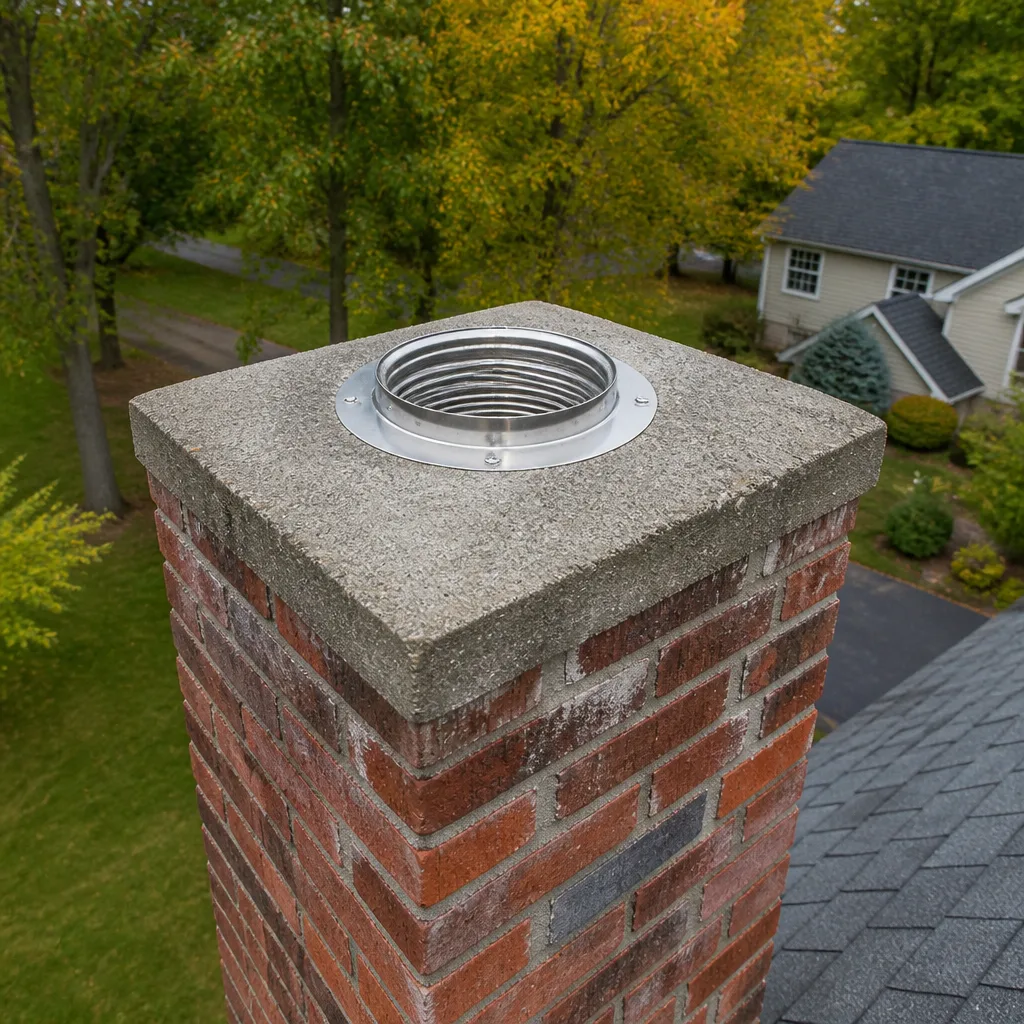
- Relining. A DuraFlex stainless liner is specified by flue size, fuel type, and appliance output. Retail liner kits rarely match a specific chimney’s requirements.
- Waterproofing masonry. The right sealer depends on the masonry type, existing coating, and moisture condition of the wall. Wrong product, wrong coverage, wrong result.
- Caps and crowns. A stock cap that doesn’t match the flue dimensions or the crown pitch doesn’t do its job. Cap and crown work is measurement and fit, not a universal part.
The gap between consumer and professional products isn’t about brands being precious. It’s about a system that has to work for years, in weather. Our Redmond Chimney Sweep team works with DuraFlex, HeatShield, Gelco, Olympia Chimney, Famco, and Copperfield because those are the product lines that hold up in the field and are specified by the trade. That’s a sourcing decision, not a sales pitch. If a spec calls for a different brand because your flue demands it, that’s the brand we use.
What you can safely apply yourself vs. what needs a technician
Some chimney products are genuinely safe for a homeowner to use. Others are dangerous to apply and won’t work without a trained hand. The line is clearer than most product packaging suggests.
Safe for a homeowner to handle:
- Creosote-modifying logs. Burned in the firebox, no ladder involved. Read the label and follow the dosage.
- Visual check of the cap and crown. From the ground or a window, look for obvious damage, missing cap, cracked crown, or animal nesting. You can spot problems without going up.
- Fireplace screen and glass cleaning. Routine fireplace upkeep inside the firebox is safe and worth doing.
Requires a technician:
- Chemical creosote removers. These need correct dilution, correct application method, and correct protective gear. Pouring a concentrated product down a flue is a chemical exposure and a coverage problem at once.
- Waterproofing sealers. The masonry must be clean, sound, and at the right moisture level before any coating goes on. Trapped moisture causes more damage than no coating at all.
- Liner repair and relining. Non-negotiable. Surface prep, joint repair, and cure time are all technical steps.
- Cap and crown installation. Work at the top of a chimney involves height, weather, and structural fit. This is where the safety line matters. A fall from a roof is a life-changing injury, and we’d rather you never get on one. If you see a problem from the ground, call us and we’ll handle the climb.
- Sweeping itself. A proper sweep means getting a brush through the full flue, using the right brush type for the liner material, and inspecting afterward. Doing it from a roof, without the correct tools, is a fall risk with little chance of a clean result.
A note on the value of inspections: the biggest money decision in this whole category isn’t which product, it’s whether the product is warranted at all. An inspection with a camera tells you that. We run the camera and show you the result, so you’re not deciding on a recommendation you can’t see.
How to spot chimney product marketing that overpromises
The clearest red flag in chimney product marketing is a claim that a product fully cleans a flue without mechanical brushing. There isn’t a consumer product on the market that can do that, and there isn’t a professional one either. Creosote removal is a physical process. It has to leave the flue. Anything that claims a chemical alternative to the brush is overpromising.
Here’s how to read a product claim before you buy:
- It claims to replace a sweep. It can’t. The sweep removes the deposit; the product changes it.
- It claims “one application and you’re done.” Real chimney products rarely promise that. Even professional treatments sometimes need more than one pass for glazed deposits.
- It lists no coverage requirements. A spray with no application guidance is a spray that will be applied wrong.
- It uses “professional-grade” without a named product line. Real professional products are identified by name so you can research them.
- It shows a crack in a liner being fixed with a paint-on product. That’s not how liner repair works, and it’s a strong sign the product isn’t specified for the job.
- It’s advertising a safety fix. Any product claiming to “safety-proof” a chimney without inspection is selling reassurance, not a solution. Safety is a structural and maintenance question, and no single product answers it.
In our experience, the products that work are boring to look at and specific on the label. When a product names the liner material it’s for and the coverage per square foot, it’s telling you it’s meant to be applied correctly. That’s the sign of a product designed for professionals. The showiest packaging usually belongs to the least specific product.
What it means when a sweep recommends a specific product line
When a sweep recommends a specific product after an inspection, that recommendation should come with a reason tied to your chimney’s actual condition. Not a brand preference. A diagnosis. Any recommendation you can’t connect to a visible problem in your own flue is worth pushing back on.
Here’s how to evaluate a recommendation, in the order it should happen:
- Ask what the camera showed. The recommendation should point to a specific finding – cracked tile joints, spalling, missing mortar, a gap between the liner and the crown, a broken cap. You should be able to see the finding in the inspection report.
- Ask why this product and not another. If the answer is “this is the one we always use,” ask again. A proper answer references the flue dimensions, the fuel type, or the damage pattern.
- Ask what happens if you wait. A good technician will tell you when a repair can safely wait a season and when it can’t. Not every recommendation is urgent, and you should know the difference.
- Ask about the product name and manufacturer. Reputable professional products are named, not vague. HeatShield, DuraFlex, and similar systems are public products you can research.
- Ask what the alternative is. Sometimes the alternative is full relining. Sometimes it’s a resurfacing system. Sometimes it’s monitoring. A recommendation that acknowledges the alternatives is one you can trust more than a one-option answer.
We’ll only recommend a product when the inspection supports it. That’s a commitment, and it comes from the fact that we’re doing the repair ourselves after the recommendation, so a wrong recommendation bites us twice. The other half is that chimney work involves real risk – fire and carbon monoxide are the two worst outcomes – so honest diagnosis protects everyone in the house. If a sweep tells you a repair can wait, that’s usually a good sign, not a bad one. If they tell you it can’t, ask to see the evidence.
What we do cover, for the record, is a full chimney scope: sweep, inspection, cap and crown, fireplace repair, and structural chimney repair. If a recommendation is outside that scope, we’ll say so rather than refer you into a quote for work we don’t do.
Waterproofing sealers, caps, and crowns: the water-intrusion side of chimney products
The most common cause of damage we see on Redmond chimneys doesn’t come from fire. It comes from water. Rain driving into an uncapped flue, pooling on a cracked crown, and soaking into masonry exterior walls does more cumulative damage than most fire events. The product categories that address this are the ones homeowners overlook, because they’re not called cleaning products. They should be.
Three product categories cover most of the water story:
- Caps. The single highest-value purchase on this list. A correctly fitted cap keeps rain, birds, squirrels, and sparks out of the flue. It also reduces the creosote-water interaction that accelerates glaze formation. A stock cap that doesn’t match the flue is close to useless.
- Crowns and crown repair. The crown is the sloped concrete or masonry top of the chimney, designed to shed water. When it cracks, water finds its way into the chimney’s interior structure. Crown work is a masonry job and requires sealing the joints and re-sloping if needed.
- Breathable waterproofing sealers. Applied to the exterior masonry, these block liquid water while allowing trapped vapor to escape. Non-breathable coatings cause moisture to stay inside the brick, which accelerates spalling and mortar failure. The installer has to know which one is which, and the masonry has to be clean and sound first.
We handle chimney cap & crown work as a dedicated service because these two components are where the water story starts and, honestly, where it’s cheapest to fix before it becomes structural. Redmond’s damp season is long, and a chimney with a broken crown will absorb water for months before anything inside the house signals a problem. By the time a stain appears on a ceiling, the damage is inside the framing. The products that prevent that are cheap compared to repairs. The fireplace repair work we do often starts with a crown and cap assessment, because if water is getting in, the firebox is usually the second-to-last place to show it.
Waterproofing sealers are the trickiest of the three to buy for yourself. Surface prep is the whole job. Applying a high-quality product over a dirty or moisture-laden wall is a wasted application, and applying a non-breathable one can do real damage. This is a professional application in almost every case.
Common Mistakes to Avoid
- Treating a creosote log as a sweep. It changes the texture of a deposit that still needs to leave the flue. Skip the sweep and the risk stays in the chimney. A log is maintenance, not cleaning.
- Buying a waterproofing sealer off the shelf without prep. Applying a sealer over a dirty, wet, or spalling masonry wall traps moisture and accelerates damage. The product is only part of the job; prep is the other part.
- Choosing a cap that doesn’t fit. A stock cap that doesn’t match your flue dimensions leaves a gap for rain and animals. Caps are measured jobs, not universal parts.
- Assuming an inspection finding is a sales pitch. Ask to see the camera evidence. A technician who can’t show you the finding on camera is one to question. One who shows you the finding and says work can wait is one to keep.
- Choosing the cheapest line item instead of the right specification. A liner sized for the wrong appliance, a sealer applied at the wrong coverage, or a resurfacing product used where relining is warranted will cost more to fix in a few years.
- Doing roof-level work yourself. Caps, crowns, and anything else that involves being on a roof is a fall-risk category, not an equipment category. The product you’d save money on isn’t worth a trip to the emergency room.
- Buying “cleaner” sprays that promise to remove soot without brushing. There’s no consumer product that does this. If a label makes the claim, the product isn’t specified for what you need.
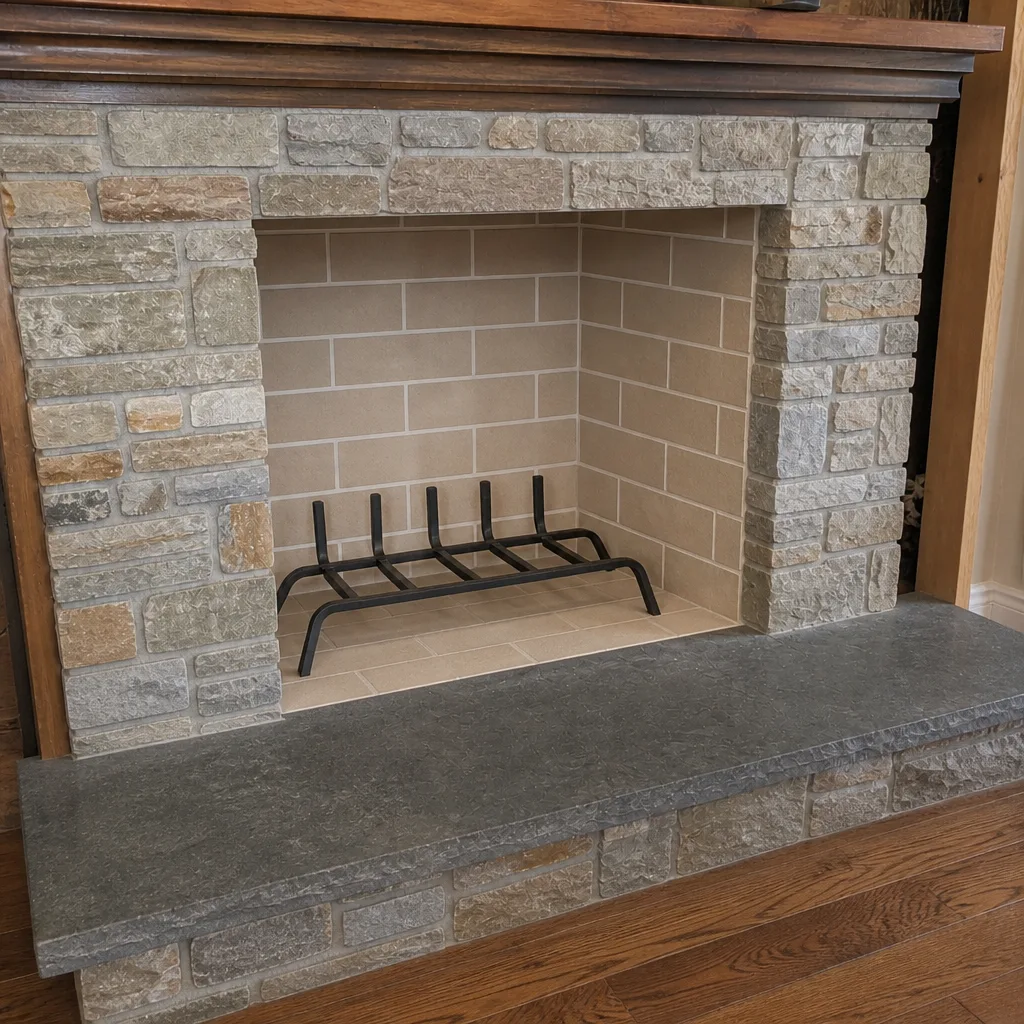
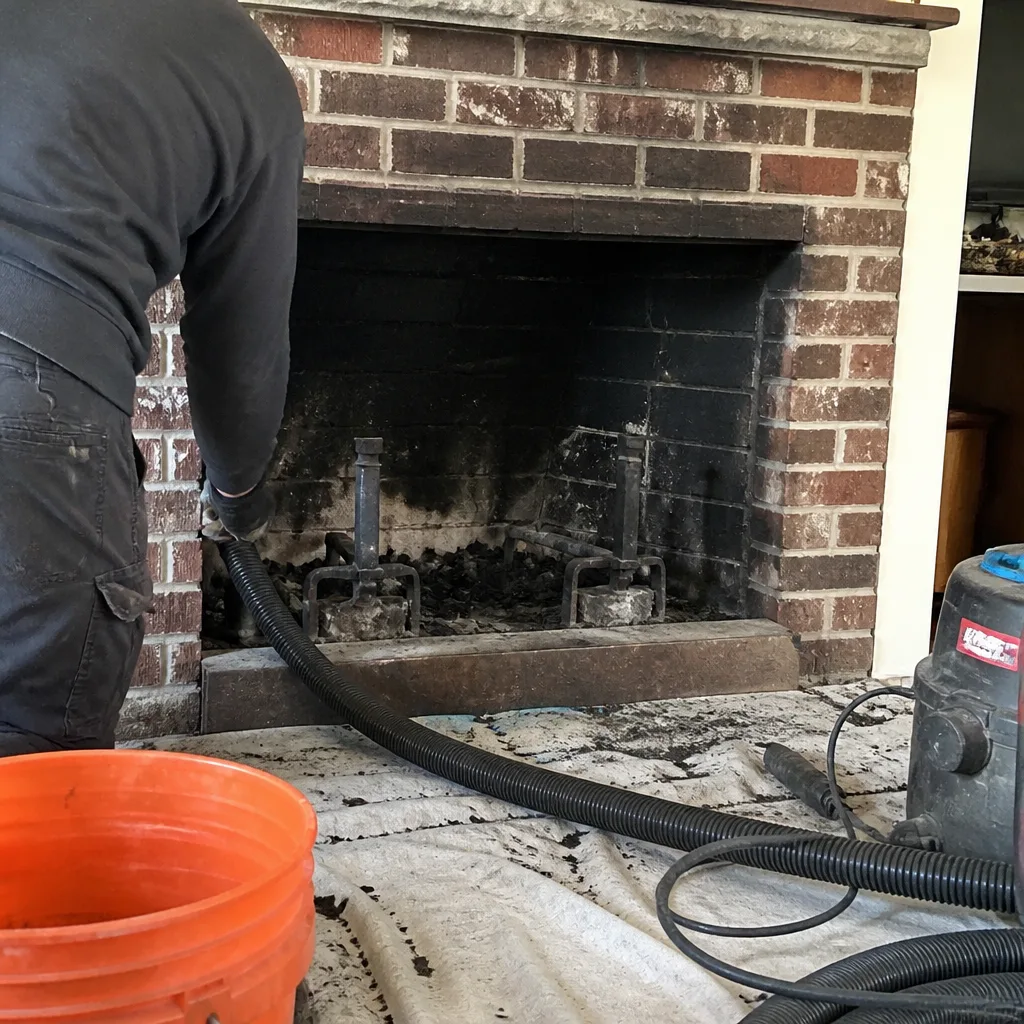
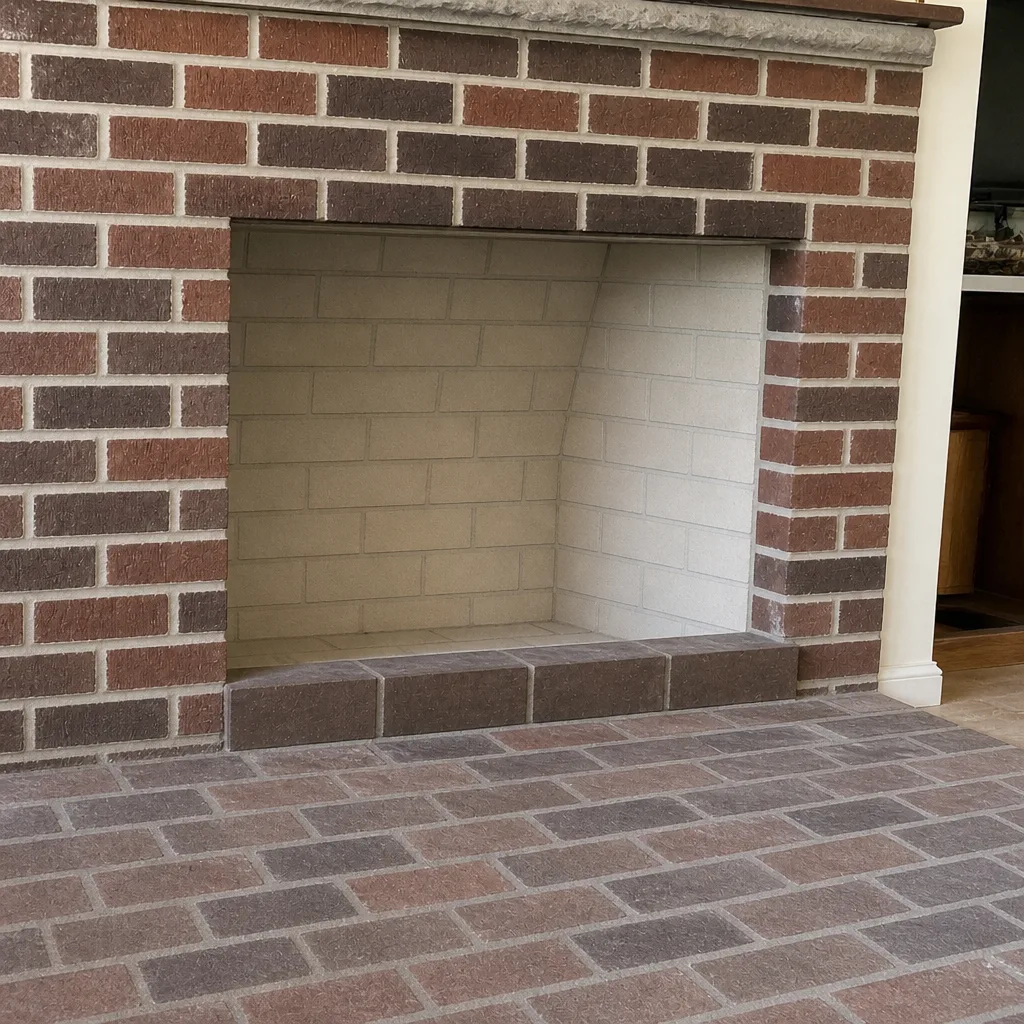
See the difference
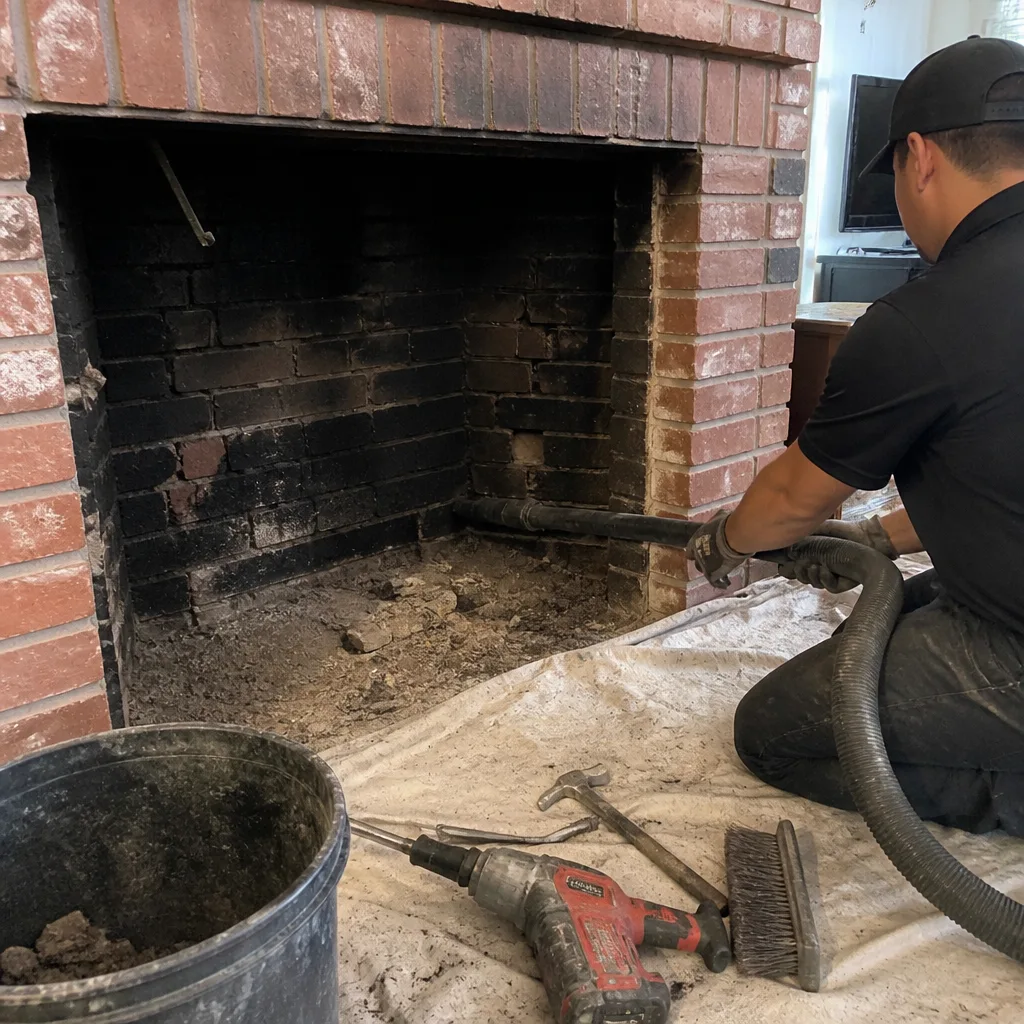 Before
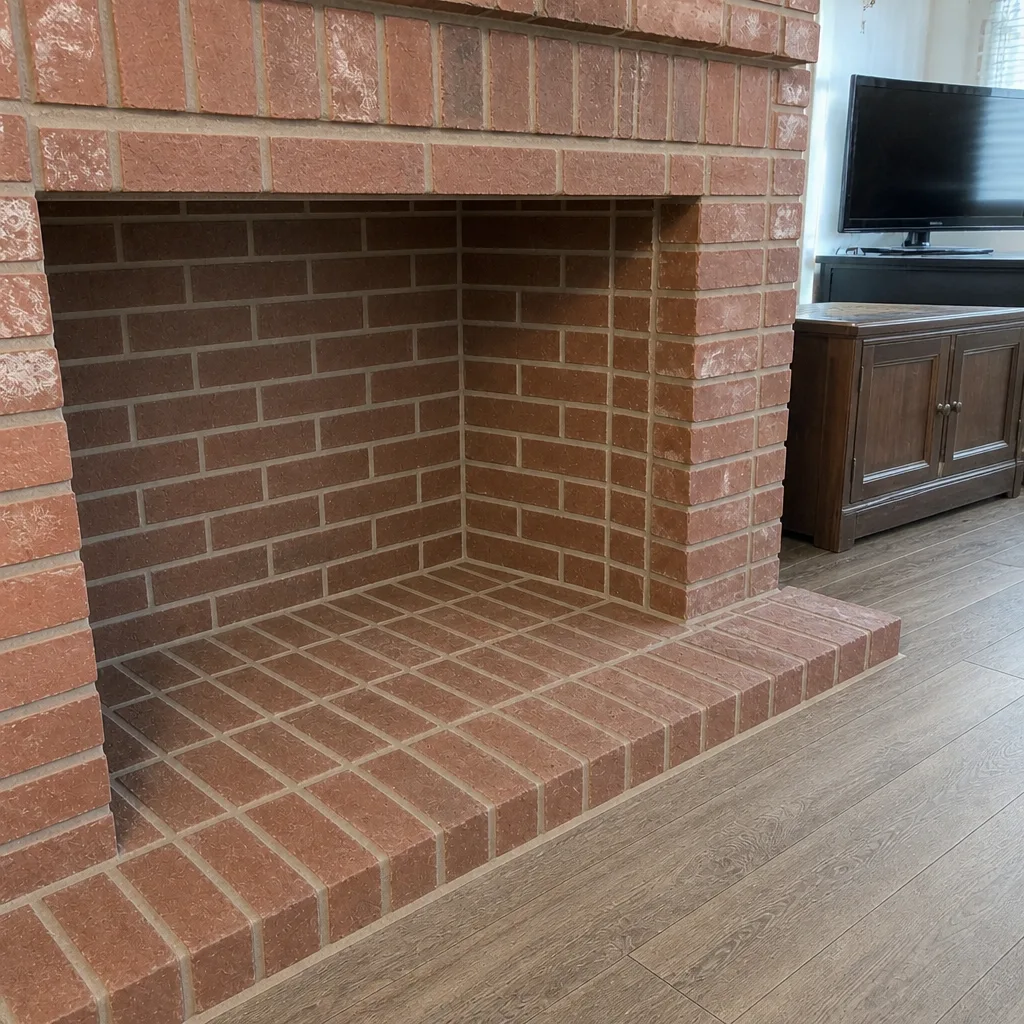 After
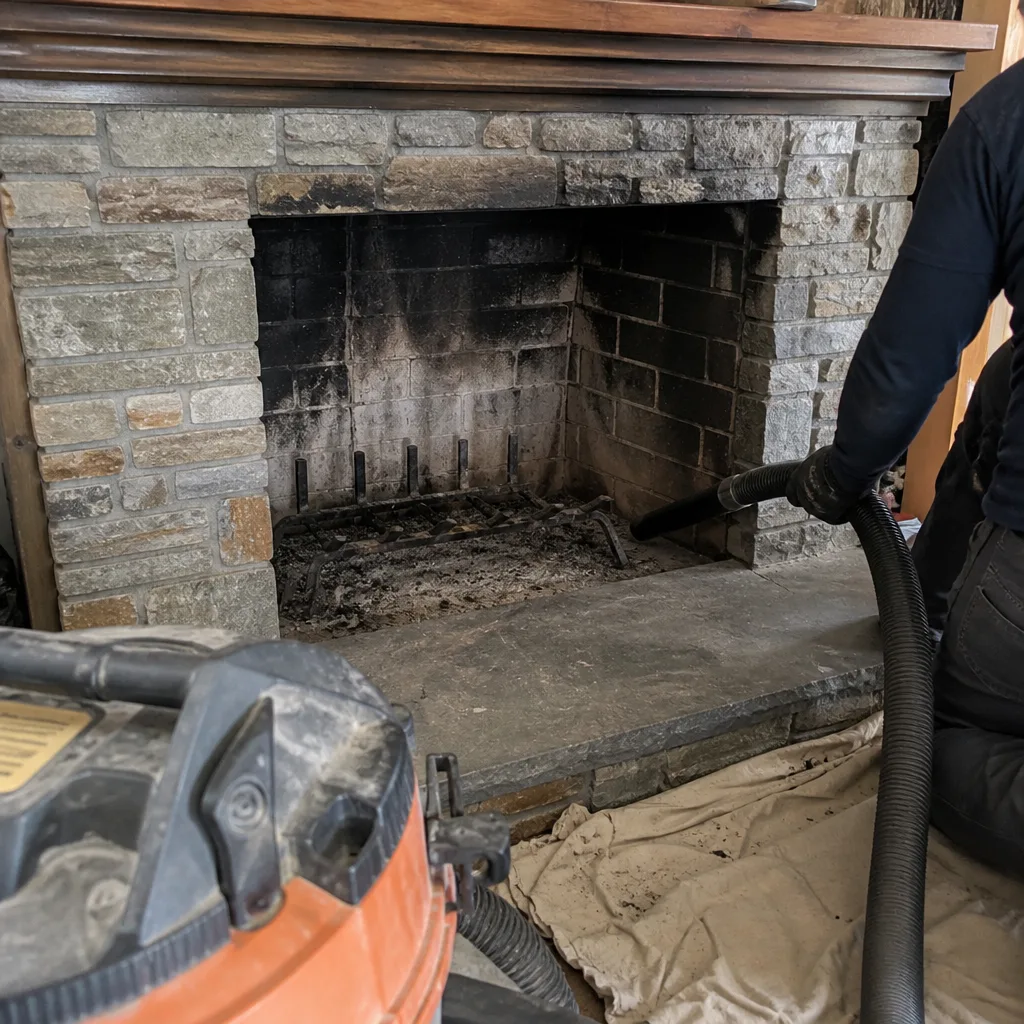 Before
 After
 Before
 After
When to Call a Professional
Call a professional when the product question is really a diagnosis question. That’s true in a few situations. You’ve got a strong creosote smell in the firebox during warm weather, or a glaze you can see at the top of the flue. Your crown is cracked or your cap is missing. A ceiling or wall shows a stain with a chimney near it. You’re buying a home in Redmond and want the chimney inspected before closing. Your firebox smells like smoke when the fire is off. Or you’ve bought a consumer product and can’t tell whether it worked.
Each of these ends with a camera inspection and a written report, and the report is what tells you which product, if any, is appropriate. Redmond Chimney Sweep offers free estimates in Redmond – call (877) 492-1807. We answer 24/7, with fast dispatch from 7am to 7pm, Sunday through Friday. Nothing is recommended without camera evidence you can see for yourself.
Frequently Asked Questions
They work as a maintenance aid, and they work better than nothing, but they don’t clean your chimney. The chemistry inside a creosote-modifying log makes existing creosote more brittle so a brush can remove it during a sweep. Burn one between sweeps to make the sweep easier, but don’t use one in place of a sweep. If you want a professional assessment of how much creosote you actually have, call us at (877) 492-1807 – estimates are free.
No. There is no product, consumer or professional, that removes creosote without mechanical brushing. Chemical products soften or change the deposit; the brush removes it. If a product claims otherwise, that’s a marketing claim you can safely ignore. We’d rather you spend the money on a real sweep than on a product that leaves a hazard in your flue. Call (877) 492-1807 for a quote.
HeatShield is a professional resurfacing system that requires the flue to be cleaned to the substrate, joint work, and controlled application before curing – a technician applies it. A hardware-store patch is a consumer product designed for small repairs, not for rebuilding a flue. The difference isn’t just formulation; it’s the process around the product. When an inspection calls for liner restoration, it’s a professional application or it doesn’t work.
When the masonry shows signs of water damage: white staining, spalling, or mortar failure. A sealer can slow that damage, but application has to come after the wall is clean and dry, and the product has to be vapor-permeable. A non-breathable coating will trap moisture and make the problem worse. This is one of those jobs where the right product applied wrong is worse than no product at all – call us and we’ll tell you if a sealer is the right call. (877) 492-1807, and estimates are free.
Ask to see the camera footage. A legitimate recommendation points to a specific, visible finding in your flue – cracked joint, spalled tile, gap at the crown, missing cap. If the recommendation can’t be tied to something in the video, ask why. Also ask whether the work can wait a season. Honest technicians tell you when a repair isn’t urgent. We run the camera on every inspection and show you the result before we recommend anything.
It’s possible for a very experienced homeowner with the right ladder, the right measurements, and a genuinely low-pitched roof, but the value of a cap is in the fit and the installation, not the part. A cap installed at the wrong height, or with a gap at the edge, doesn’t stop the water or the animals. And roof work is the single biggest safety risk in chimney maintenance. We install caps as part of our cap and crown service. If you’re on the fence, call (877) 492-1807 – we’ll give you a free estimate.
The Bottom Line
The honest answer to “which chimney cleaning brand” is that the brand matters less than the match between the product, your flue, and the person applying it. Consumer creosote logs and sprays have a real, narrow maintenance role. Professional products – HeatShield for liner resurfacing, a DuraFlex liner, a properly specified cap or crown – do the work that consumer products can’t, and they need a trained hand. Read the label for specificity, ask to see the camera footage, and treat every recommendation as a diagnosis you can verify. That’s the whole game, and it keeps your Redmond chimney safe for years. If you want an inspection that walks you through the evidence, call (877) 492-1807 for a free estimate.
Written by the team at Redmond Chimney Sweep.