
Last updated November 25, 2026
 Sweep & inspection
 Caps & crowns
 Flue relining
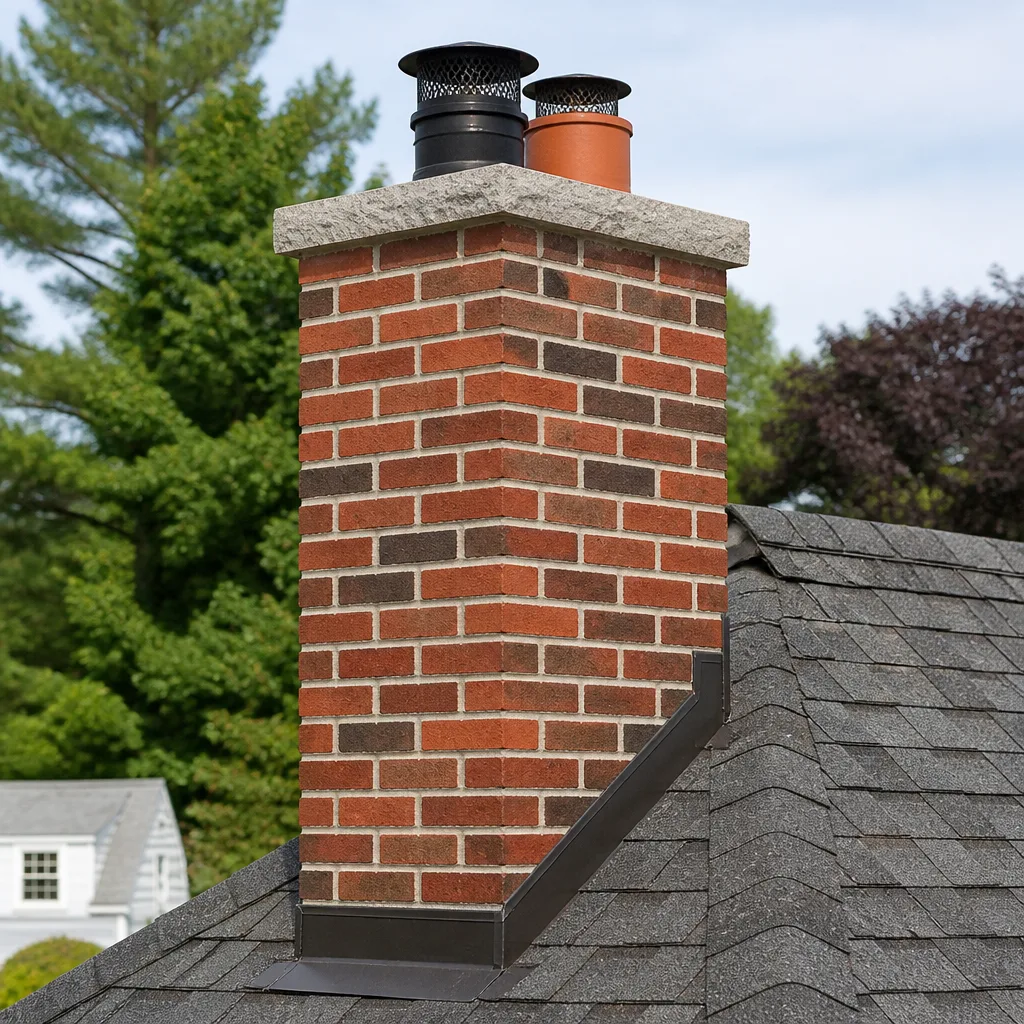 Masonry repair
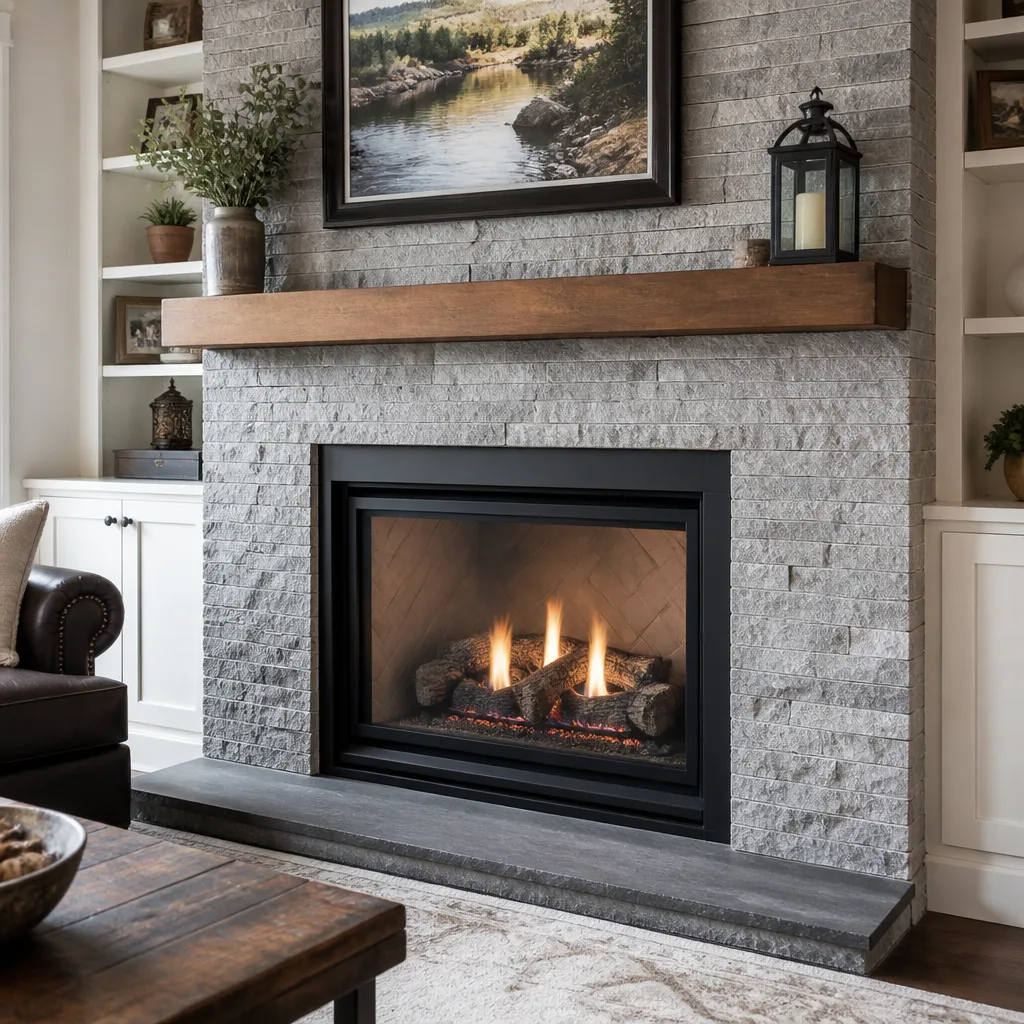 Gas fireplace service
Level 1 sweep and inspection to the NFPA 211 annual standard - flue, crown, cap, and flashing checked and photographed
Chimney sweep logs do not sweep chimneys. They loosen some creosote - which then falls where a brush and vacuum still have to collect it.
The Complete Guide to Chimney Cleaning in Redmond
Most people assume a chimney sweep is a brush and a vacuum, and that the job is done when the soot stops falling. In Redmond, that assumption is backwards. We average around 37 inches of rain a year, and the damp air here doesn’t just fall on your roof – it works its way into your flue, your firebox, and the porous masonry around them. A chimney that stays wet between fires builds creosote differently than one in a dry climate, and it fails in ways that a quick brush never catches. This guide covers what chimney cleaning in Redmond actually involves, why the local climate changes the rules, and how to tell a real sweep from a fast visit.
Quick Answer
Chimney cleaning in Redmond means more than removing soot: it means clearing creosote, checking for the moisture damage that our wet climate drives into masonry and liners, and documenting the whole system with a camera inspection so you know exactly what condition it’s in. A full-service visit follows a sequence – inspect, clean, then document – and a Level 2 NFPA 211 inspection with photos should come with it. If you burn wood regularly, plan on at least one cleaning a year, and more if you’re on alder or fir.
Styles & brands we work with
- Sweep & inspection
- Caps & crowns
- Flue relining
- Masonry repair
- Gas fireplace service
Table of Contents
- Why Redmond’s Wet Climate Makes Chimney Cleaning Different
- How Creosote Forms in Western Washington
- How Alder and Douglas Fir Affect Creosote Buildup
- What a Full-Service Sweep Actually Involves
- Level 1 vs Level 2 NFPA 211 Inspections in Plain Terms
- Water, Moss, and Masonry: The Damage You Can’t See
- Sweep Company vs. Handyman: What’s Actually Legal in Redmond
- What Drives the Cost of Chimney Cleaning in Redmond
- How Often Should You Schedule a Cleaning?
Why Redmond’s Wet Climate Makes Chimney Cleaning Different
The Pacific Northwest gets a lot of rain, and Redmond sits right in the middle of it. That matters to a chimney because masonry is porous. Brick and mortar absorb moisture, and in a wet climate they absorb it slowly and release it slowly. When a flue runs warm and cold, wet and dry, the expansion and contraction works on the same mortar joints and liner seams over and over. In a dry climate that cycle is gentle. Here, it’s relentless.
What does that mean for cleaning? Three things:
- Damp creosote is sticky. Moisture makes creosote cling to flue walls rather than flake away. A brush that would clear a dry chimney in a hurry can leave a damp film behind, and that film is where the next layer starts.
- Moisture hides damage. A wet liner can look sound until it dries, cracks, and opens a gap. That’s why a camera inspection matters more here than in a dry climate – you need to see the liner as it actually sits, not assume it’s fine.
- Moss and algae find masonry. North-facing chimney exteriors in Redmond collect moss and algae on mortar and crown edges. Left alone, that moisture tracks inward and worsens the same damage from the outside.
The takeaway is simple. In Redmond, chimney cleaning is a diagnostic job as much as a scrubbing job. A sweep who only cleans and leaves hasn’t addressed the climate your chimney is fighting. Our technicians have up to 12 years of experience reading that condition on sight, and we build it into every visit.
How Creosote Forms in Western Washington
Creosote is the residue of incomplete combustion. It forms in three recognized stages, and each one is harder to remove than the last. The climate here nudges a chimney toward the harder stages faster than people expect.
- Stage 1 – soot and light flake. Soft and dusty. A standard brush removes it easily. Most chimneys in Redmond that get cleaned regularly sit here.
- Stage 2 – crusted, flaky creosote. Harder, drier, and often cracked. Brushing can knock it loose, but it likes to sit in seams and corners. This stage builds more readily in cool, damp conditions because a flue that warms slowly burns less cleanly at the start of every fire.
- Stage 3 – glazed, hardened creosote. Shiny and tar-like. It bonds to the flue wall and a brush alone will not take it off. This is the stage that raises fire risk, and in a wet climate the cycles of moisture and heat help it form.
Two Redmond-specific habits push creosote faster here. First, many homeowners start their fires slowly in cool weather, which produces more smoke and more residue. Second, damp firewood from an uncovered stack burns cool and smoky. Wet wood in a wet climate is the quickest path up the creosote ladder. If you want to slow buildup, store wood covered and stack it well off the ground, and burn dry, well-seasoned logs.
How Alder and Douglas Fir Affect Creosote Buildup
The wood you burn here matters. In this part of Washington, homeowners often burn alder, Douglas fir, maple, and the occasional bit of cedar. Compared with the hardwood mixes burned back East, fir and alder behave differently in a stove or fireplace.
- Douglas fir burns hot and fast but carries more pitch and moisture in the wood. Burned green or damp, it produces visible smoke and deposits residue quickly.
- Alder is a good, steady burner when dry, but it can burn cool if it hasn’t seasoned. Cool burns equal more creosote.
- Softwoods generally tend to need a hotter, cleaner burn to stay ahead of residue. They reward good draft and punish a slow, smoldering fire.
What this means for timing is practical. A homeowner burning seasoned fir and alder regularly may need cleaning more often than the once-a-year rule of thumb implies, because softwood residue accumulates steadily. The honest way to know is to look, and that’s what an inspection is for. We don’t guess at creosote in Redmond chimneys by wood type alone – we read the flue and tell you what’s actually there. The local wood supply and the local weather work together, and both are part of how we plan your schedule.
What a Full-Service Sweep Actually Involves
A quick-brush visit and a full-service sweep are not the same job. The sequence below is how a proper cleaning goes, and the order matters because the inspection comes first. You can’t fix what you haven’t seen, and you can’t document what you skipped.
- Pre-clean inspection. Before any brush touches the flue, we look at the firebox, damper, smoke chamber, and flue. This sets the plan and flags anything that shouldn’t be brushed until it’s understood.
- Protect the room. Drop cloths and a contained vacuum keep soot and dust where it belongs – in the flue, not on your carpet.
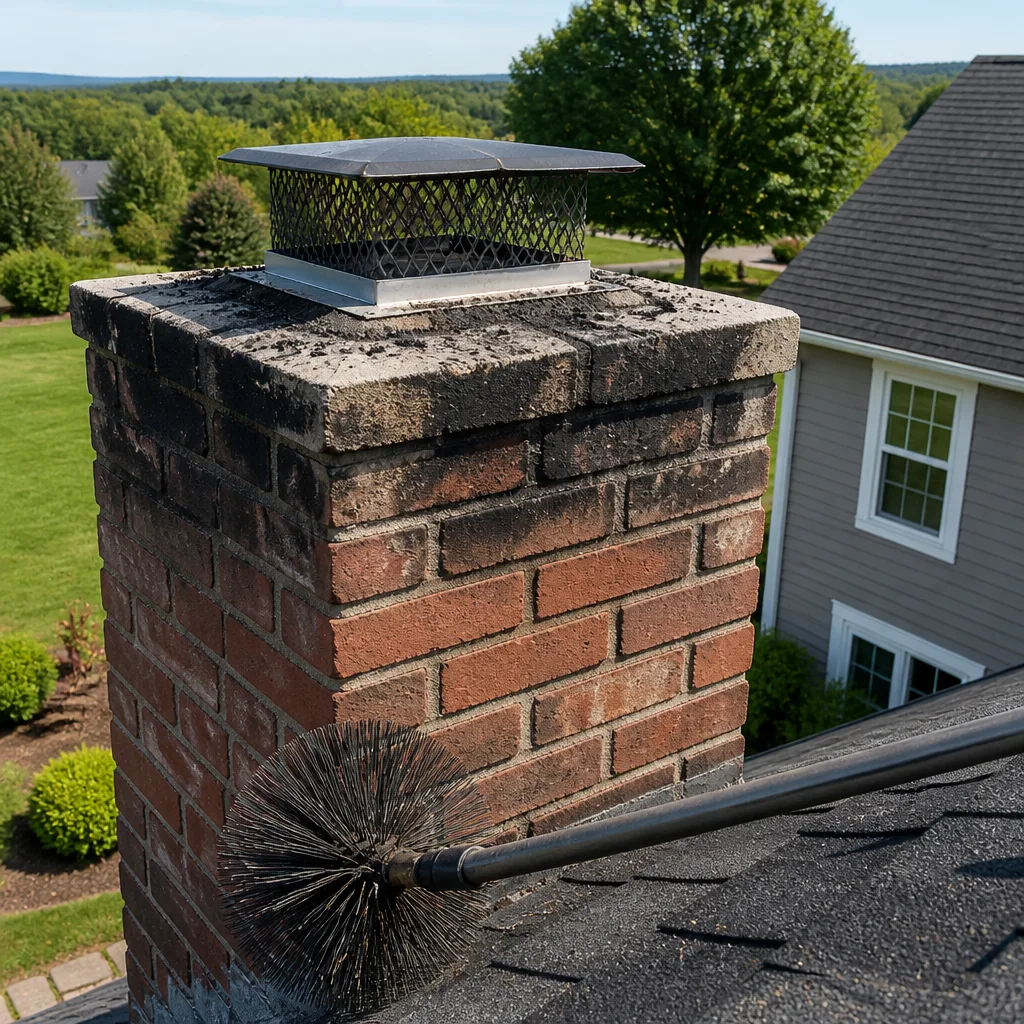
- Sweep the flue. The right brush for the liner material, worked from the top and bottom as needed. A stainless liner gets a different approach than clay tile.
- Clear the smoke chamber and firebox. This is where a fast brush-and-go visit stops short. The smoke chamber collects residue that brushing alone misses, and it’s a common home for creosote buildup.
- Camera inspection with a photo report. A camera run through the flue shows the liner, joints, and any gaps or cracks. You get photos so you can see what we saw – nothing is recommended without evidence you can lay eyes on.
- Documentation and recommendations. A written summary of condition and what, if anything, should happen next. If nothing needs doing, we say so, and say when it can safely wait.
That sequence is why we treat a Redmond Chimney Sweep visit as a full-system check rather than a cleaning alone. A clean chimney is the starting point. A safe, structurally sound one is the goal. If the camera shows a worn liner, we plan for it in the same visit instead of handing you off to a second contractor.
Level 1 vs Level 2 NFPA 211 Inspections in Plain Terms
Inspections are classified under NFPA 211, the national standard for chimneys and vents. The two levels most homeowners run into are Level 1 and Level 2. Here’s what each means without the jargon:
- Level 1 inspection. A visual check of the readily accessible parts of the chimney and connected appliance – firebox, damper, flue from below, cap and exterior. It’s what you get during a routine annual cleaning when the chimney hasn’t changed and you’re burning as usual.
- Level 2 inspection. A more thorough look that includes a camera running the length of the flue, plus access to hidden areas when possible. It’s the standard when something has changed: a new stove or insert, a new liner installation, a change of fuel, a flue fire, a house sale, or a shift in how the chimney is performing.
In Redmond’s climate, we lean toward a Level 2 with camera whenever there’s a reason to doubt the liner or there’s been a moisture event or a chimney fire. A Level 1 is right for a healthy chimney on a regular schedule. The difference is scope, and it’s worth asking which level your sweep is performing and why. If they can’t tell you, ask more questions. We document the level performed and what it covered, so you’re never guessing. From cap to firebox, every part of your chimney gets looked at, not assumed.
Water, Moss, and Masonry: The Damage You Can’t See
Rain is the quiet culprit behind a lot of Redmond chimney repairs. Water gets in where the cap or crown fails, or where masonry has spalled and opened a path. Once inside, it damages the liner, erodes the smoke chamber, and works into the firebox and surrounding structure. You won’t see most of it from the living room.
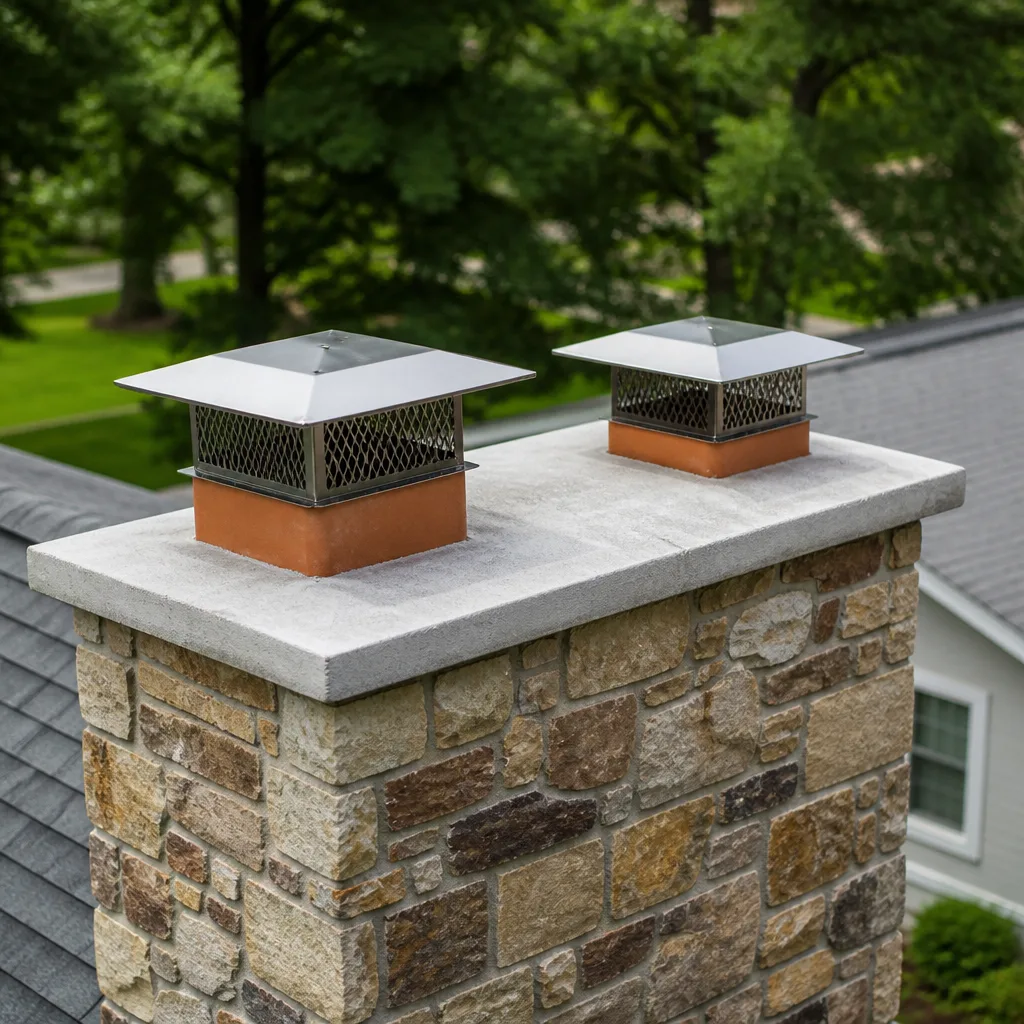
The two most common entry points are the cap and the crown. A missing or damaged cap lets rain straight down the flue. A cracked crown – the concrete top that sheds water off the chimney – lets water soak into the masonry from above. Together they explain why so many local repairs trace back to moisture.
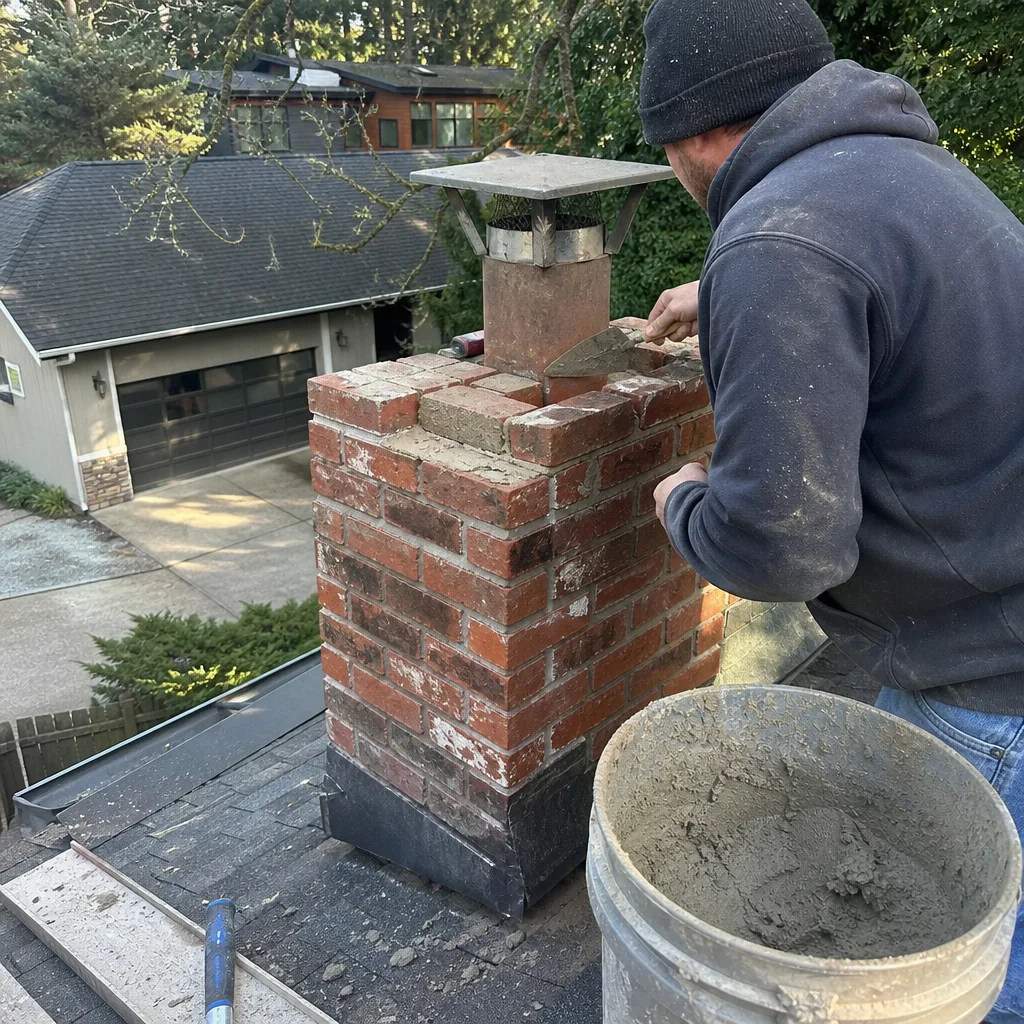
- Chimney cap and crown. Keeping water out at the top is the single most effective preventative. We handle chimney cap & crown installation and repair so the outside of the chimney sheds water the way it should.
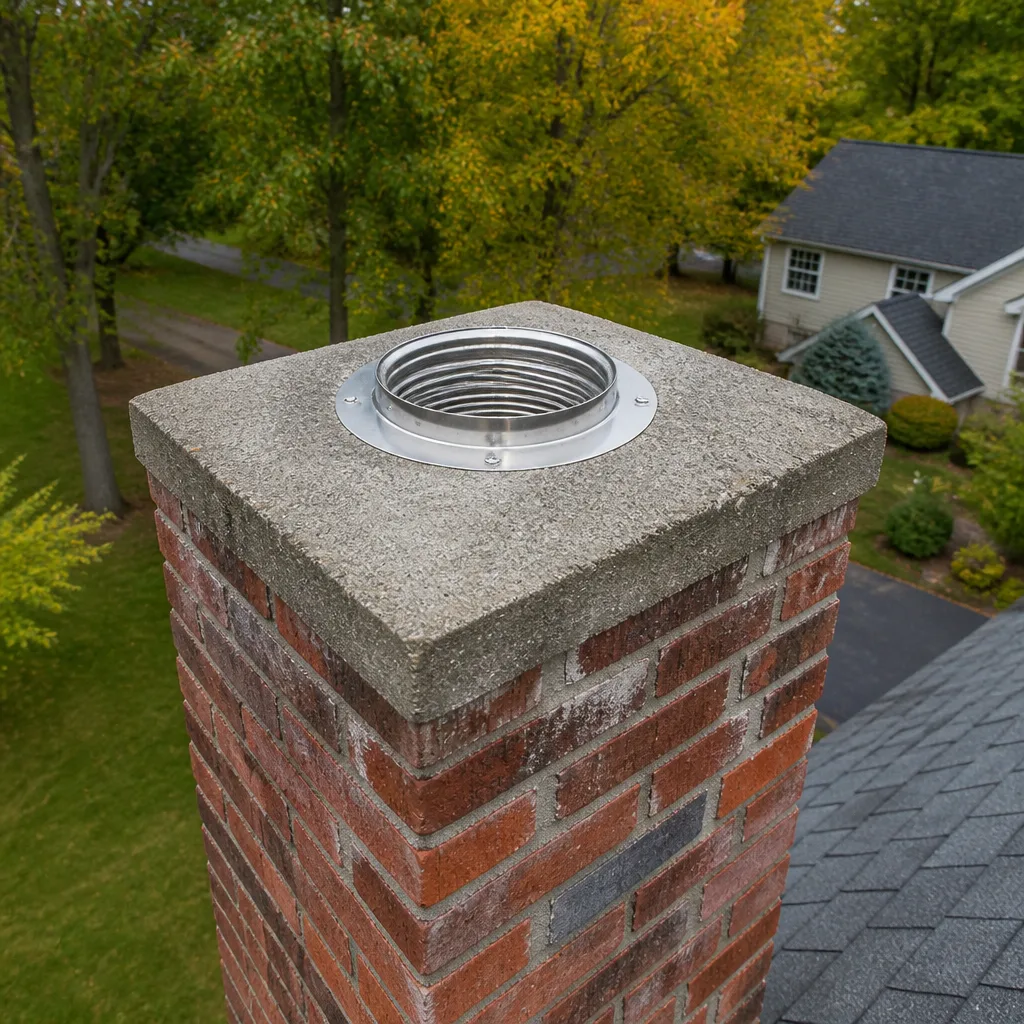
- Liner damage. Wet, cracked clay tiles let heat and moisture reach framing. A camera exam catches it; a reline addresses it, and we work with DuraFlex for the liner itself.
- Masonry and mortar. Spalling brick, crumbled mortar, and moss on the crown are all signs the chimney is taking on water. Catching it early is far cheaper than rebuilding.
This is where specialist products matter. We use HeatShield, a chimney resurfacing system for liners that are damaged but not beyond saving, and it lets us restore a liner’s interior without a full rebuild. That’s a repair tier most sweep-only companies can’t offer, and it’s often the difference between a targeted fix and a larger bill. Catch it in the inspection. Fix it before it fails.
Sweep Company vs. Handyman: What’s Actually Legal in Redmond
There’s a common assumption that anyone with a brush can clean a chimney. In practice, chimney work in Washington is regulated, and it isn’t the same category of work as general handyman repairs. Chimney sweeping and repair fall under contractor licensing rules for the trade, and a company performing chimney work should carry the appropriate state registration for that scope. A general handyman operating within the limits of a handyman exemption is not permitted to take on structural chimney or gas-appliance work.
Why it matters to you:
- Liability. If unlicensed work goes wrong – a damaged liner, a botched cap – you may have little recourse.
- Scope. Handymen often stop at cleaning. A chimney specialist handles inspection, cap and crown, liner, and structural repair as one system.
- Documentation. A specialist documents condition and inspections to NFPA 211. A quick visit quietly doesn’t.
The practical test is simple. Ask any company to confirm what chimney scope they’re licensed for and whether they perform a camera inspection. The local pro is licensed and insured as their state requires, and paperwork should be easy to produce. A company that can’t answer clearly is telling you something. Redmond Chimney Sweep covers the whole system – sweep, inspect, repair, restore – so you’re not coordinating a handyman and a specialist for the same chimney.
What Drives the Cost of Chimney Cleaning in Redmond
Chimney cleaning cost in Redmond depends on a few concrete factors, not one flat number. The honest way to price it is per job, by a written estimate that sets the final price after the inspection.
- Condition and creosote stage. A light Stage 1 cleaning is straightforward. Stage 2 and Stage 3 buildup takes more time and tools.
- Access. Roof pitch, chimney height, and accessibility all affect how the work is done.
- Liner type and condition. Clay tile, stainless liner, and damaged liners each need different handling.
- Inspection level. A Level 1 routine check differs from a Level 2 with camera and photo documentation.
- Add-ons. A cap, crown repair, or resurfacing is priced as part of the same visit when it’s needed.
Because prices vary with the market and the job, we don’t publish a single figure that would mislead you. What we do commit to: flat-price work agreed before booking, camera inspection and a photo report included, and a written estimate that’s the final word on cost. Nothing is recommended that the camera doesn’t show you first. If your chimney can safely go another season, we’ll tell you that, too. Call (877) 492-1807 for an exact quote – estimates are free.
How Often Should You Schedule a Cleaning?
The standard guidance is at least once a year for a chimney you use, and more often if you burn heavily or notice smoke, odor, or poor draft. In Redmond, the wood you burn and the weather you burn it in both push toward the more frequent end of that range.
A useful schedule to follow:
- Once a year if you burn occasionally and your wood is well seasoned.
- Twice a year if you burn often, especially on alder or fir, or if the flue has a history of buildup.
- After any chimney fire or major moisture issue, regardless of timing – that’s a Level 2 inspection, not just a cleaning.
- Before the burning season is the natural time to book, so you’re ready before the first cold, damp nights.
Rather than guess, watch for the signals: a strong smoky smell when the fireplace isn’t in use, black flaky residue at the damper, smoke spilling into the room, or a draft that’s gotten weak. Any of those mean it’s time to look. And because a chimney gets a full check during cleaning, the schedule is a chance to catch a cap or liner problem before it becomes a repair. That’s the rhythm we recommend for every Redmond home we visit.
Common Mistakes to Avoid
- Skipping the annual cleaning because “it doesn’t look that bad.” You can’t see creosote stage or liner cracks from the firebox. The damage that matters hides in the flue and the smoke chamber.
- Burning wet or unseasoned wood. Damp firewood in a damp climate is the fastest route to heavy residue. Store wood covered and off the ground.
- Assuming a quick brush is a full cleaning. If the smoke chamber and flue aren’t both addressed, with a camera check afterward, the job stopped early.
- Ignoring the cap and crown. A missing cap or a cracked crown lets rain straight into the chimney. It’s the cheapest fix with the biggest payoff in Redmond’s rain.
- Hiring outside the trade. A general handyman isn’t licensed for structural chimney or gas-appliance work. Ask what scope the company is registered for.
- Ignoring moss and mortar on the exterior. Moss on the crown and crumbling joints mean water is getting in. Catch it early, before it reaches the liner.
- Going years between visits. Long gaps let creosote climb toward the glazed stage, where a brush no longer works and the repair is bigger.
See the difference
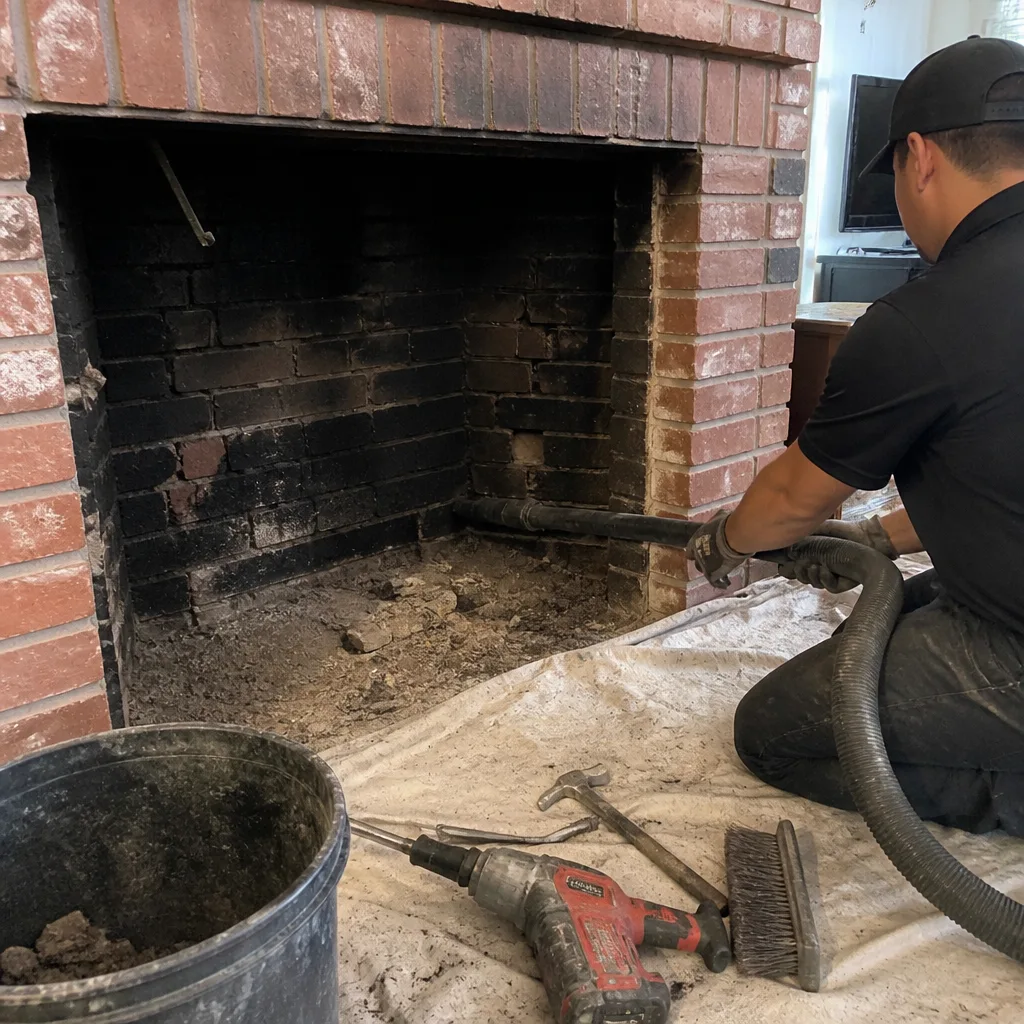 Before
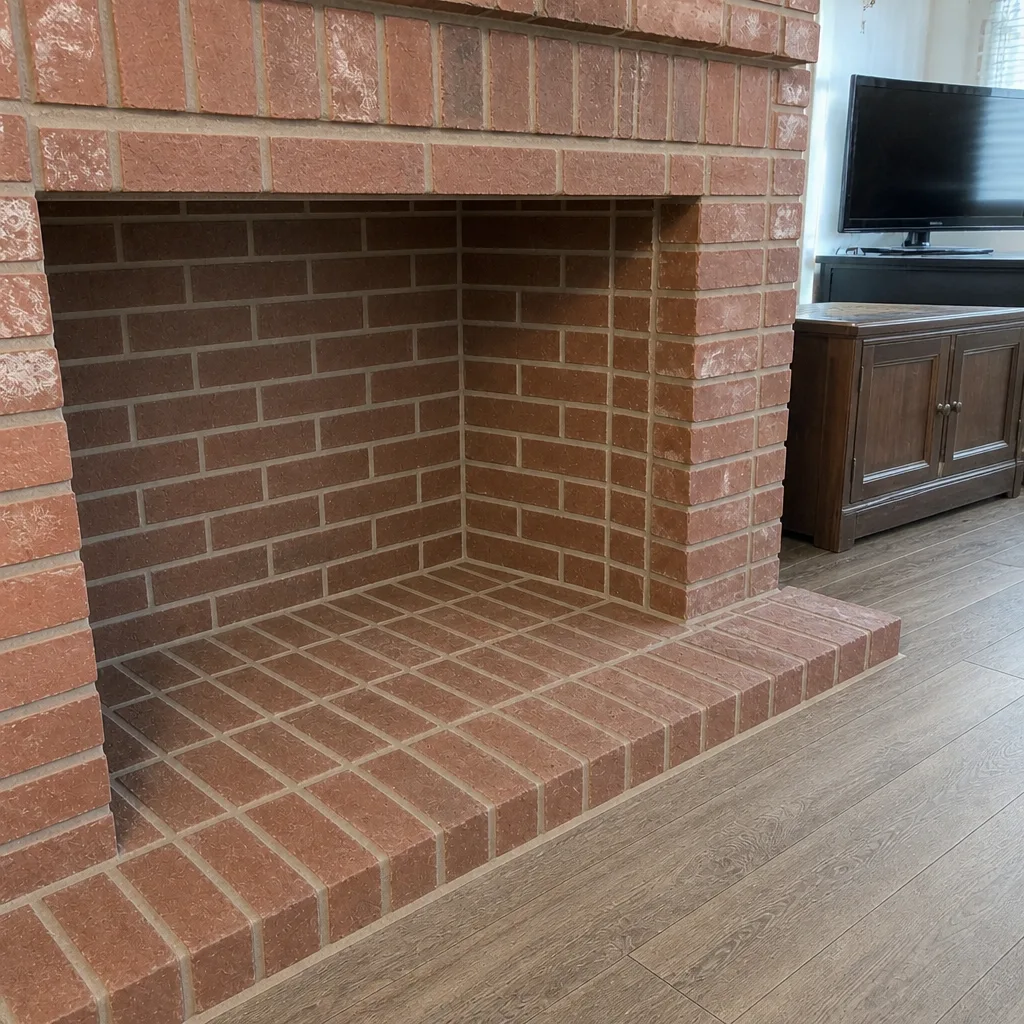 After
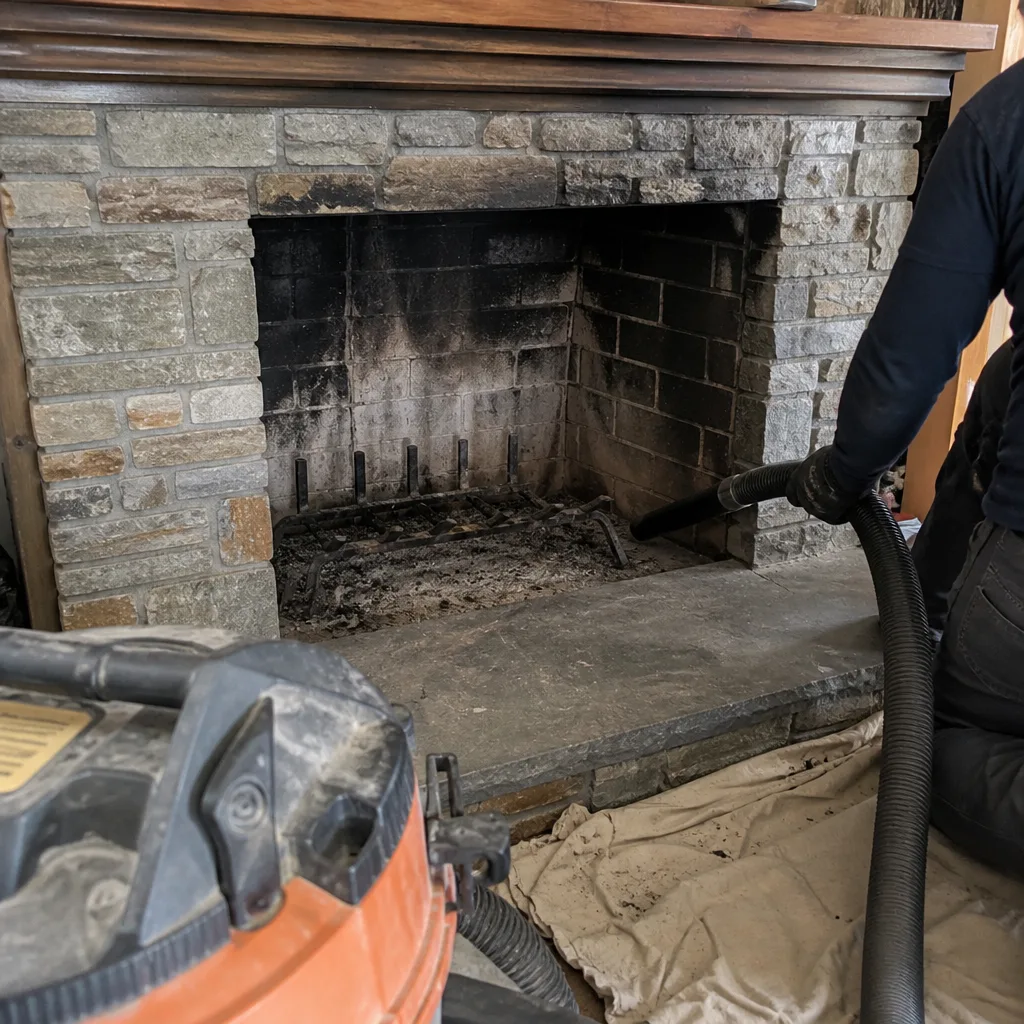 Before
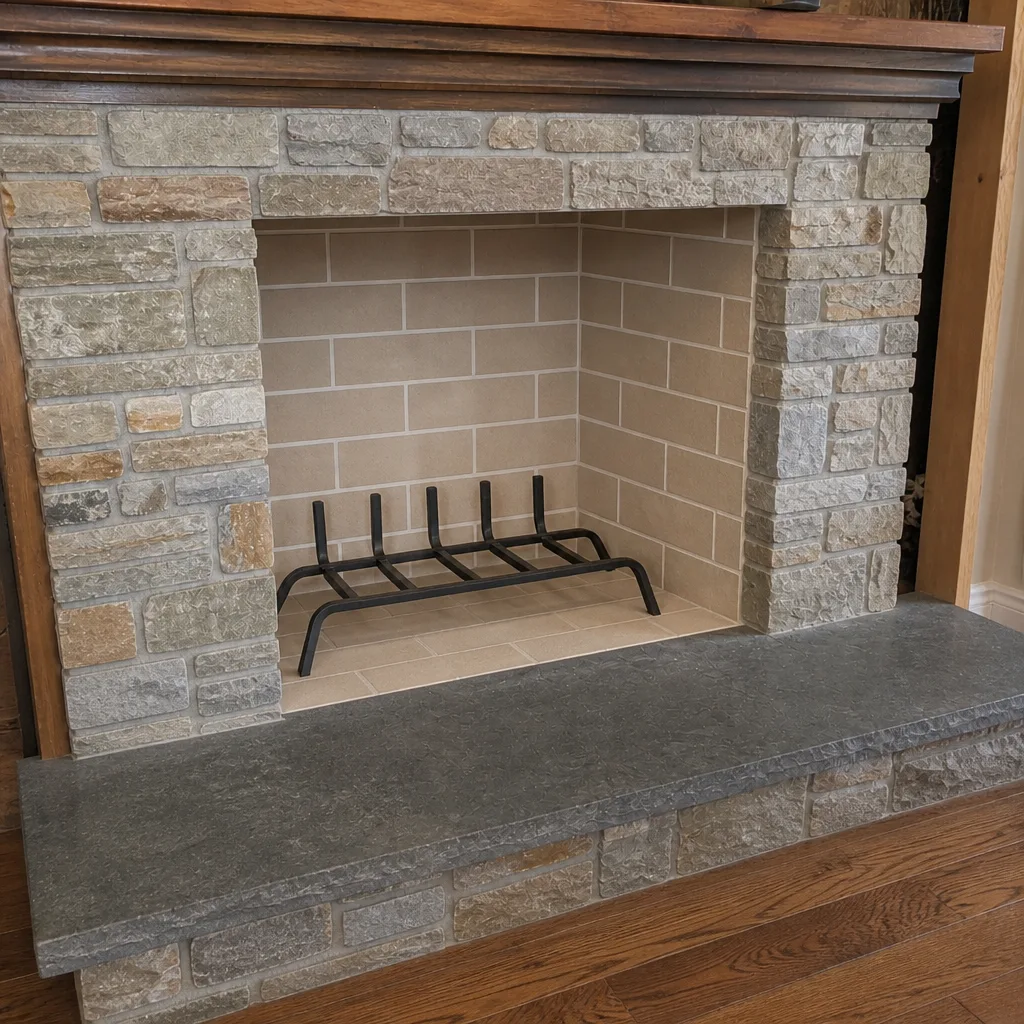 After
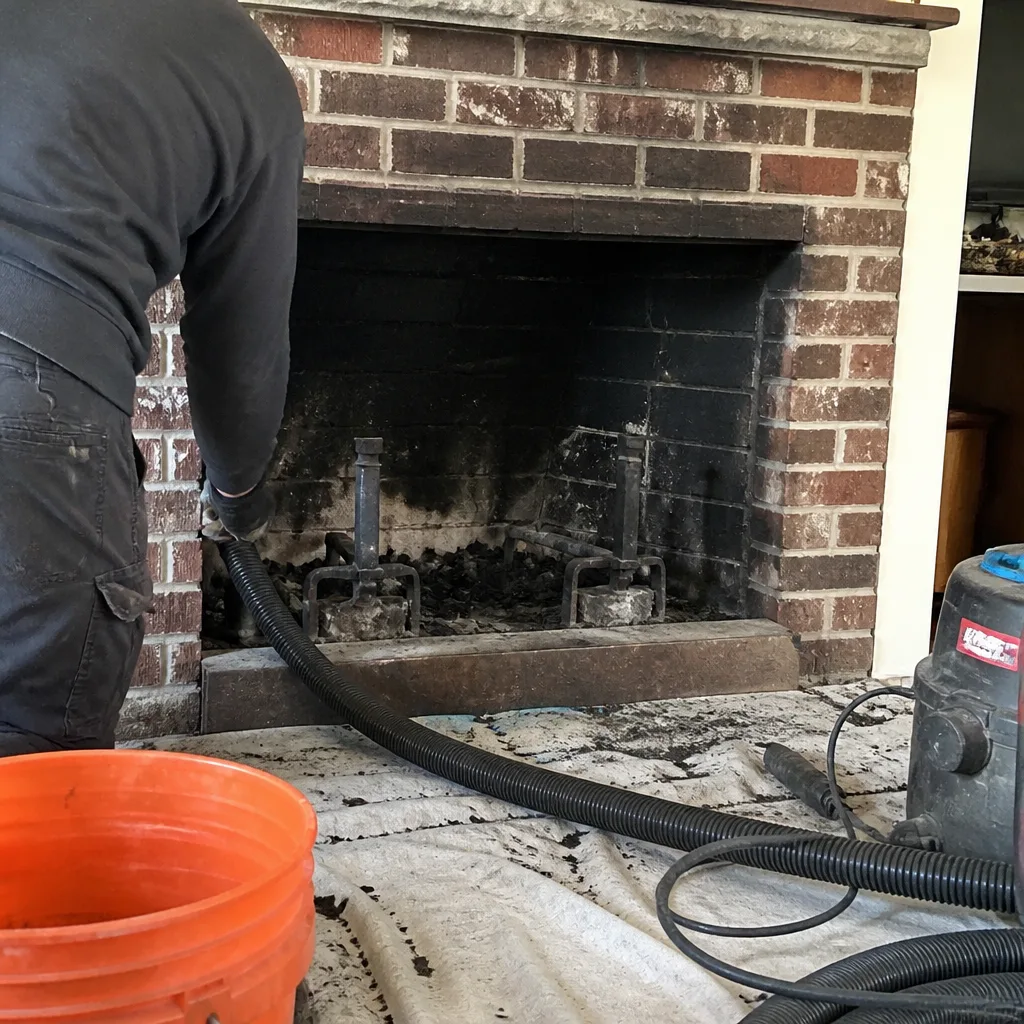 Before
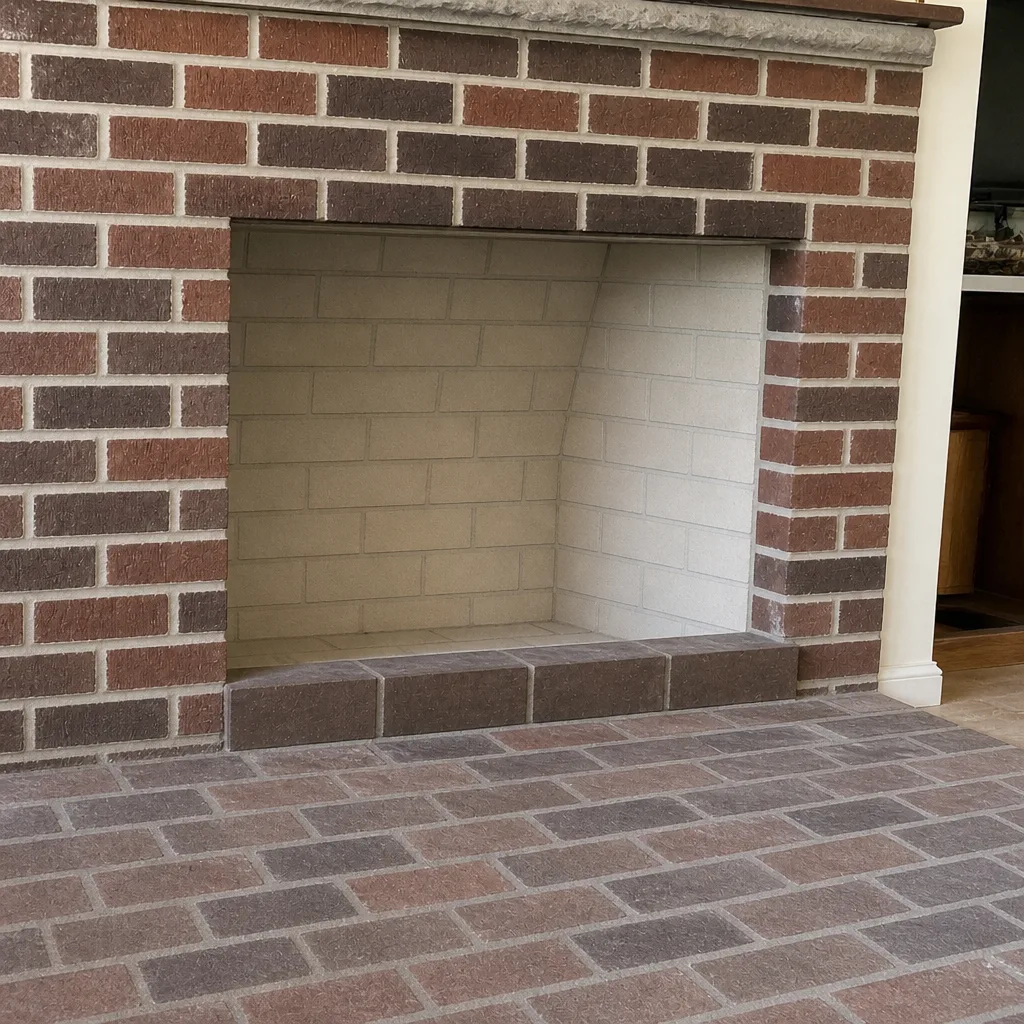 After
When to Call a Professional
Some situations need a call rather than a wait. If you’ve had a chimney fire – even a small one you think you put out quickly – get a Level 2 inspection before you burn again. If smoke backs into the room, your draft has weakened, or you smell a strong smoky odor when the fireplace is cold, something is off. Visible black flaky buildup at the damper, cracked or spalling masonry outside, a broken cap, or moss spreading across the crown all mean moisture or creosote is already at work. If you’ve changed your stove or insert, added a liner, or bought a home with a chimney you don’t know the history of, book an inspection. If you simply can’t remember your last cleaning, that’s reason enough. Redmond Chimney Sweep offers free estimates in Redmond – call (877) 492-1807. We answer 24/7. Fast dispatch from 7am to 7pm, Sunday through Friday.
Frequently Asked Questions
Chimney cleaning in Redmond is priced per job, set by a written estimate after the inspection, so the cost depends on creosote stage, access, liner condition, and whether a camera inspection is included. We don’t publish a single figure that would mislead you, because condition varies so much from chimney to chimney. What you get is flat-price work agreed before booking, a camera inspection and photo report included, and an estimate that’s the final price. Call (877) 492-1807 for an exact quote – estimates are free.
Not always, and we won’t tell you that you do without proof. A liner needs replacing when the camera shows cracks, gaps, or moisture damage that a resurfacing can’t address. Many liners can be restored with HeatShield resurfacing instead of a full reline, and some need nothing at all. We show you the photos and explain what you’re seeing. If it can wait, we say so. Call (877) 492-1807 to have your liner looked at.
At least once a year if you burn wood, and more often if you burn heavily or use alder and fir. Our wet climate and softer local woods both speed creosote buildup, so many Redmond homes benefit from a cleaning twice a year. Plan around the burning season so you’re ready before the cold, damp nights arrive. Call (877) 492-1807 to book a cleaning.
Creosote keeps building, moisture keeps working into the masonry, and the two together raise the risk of a chimney fire and liner damage. Skipping a year makes buildup worse in a damp climate, and skipping several can turn a simple sweep into a structural repair. Catching it in the inspection is far cheaper than fixing it after a failure. Call (877) 492-1807 and we’ll check where yours stands.
Because 37 inches of rain a year puts moisture into masonry and flue from both the outside and the inside, which changes how creosote forms and how liners fail. National guides written for dry climates don’t account for damp creosote, moss on the crown, or the way wet wood burns here. Our recommendations for Redmond start from that local weather. Call (877) 492-1807 for an assessment built around it.
Chimney sweeping and repair are regulated trade work, and a general handyman isn’t licensed for structural chimney or gas-appliance work. A specialist handles the whole system – inspect, sweep, repair, cap and crown – and documents it to NFPA 211. That scope is why the work is different from general handyman repairs. Call (877) 492-1807 to book a specialist visit.
The Bottom Line
Chimney cleaning in Redmond is a climate-aware, full-system job, not a quick brush. Our rain, our moss-prone masonry, and our alder and fir make creosote and moisture behave differently here, and the right visit inspects first, cleans second, and documents everything with photos. Ask for a camera inspection and evidence before any repair is recommended, book around the burning season, and don’t ignore the cap and crown – they’re your best defense against water. From sweep to inspection to liner and structural repair, we handle the whole chimney at Redmond Chimney Sweep. Our technicians have up to 12 years of experience, and we work with brands professionals trust, including DuraFlex, HeatShield, Famco, and Copperfield. Whether you need a routine chimney sweep, a full inspection, or fireplace repair, one call covers it. Call (877) 492-1807 for a free estimate. We answer 24/7. Fast dispatch from 7am to 7pm, Sunday through Friday.
Written by the team at Redmond Chimney Sweep.